Exploring Rich Flavors and Regional Styles of Indian Cuisine
-

- Published Updated
- 1,397 views
Indian cuisine has a long history of bold spices, diverse regional styles, and varied cooking techniques that shape its rich flavors. This guide outlines major regional traditions, common ingredients, classic techniques, and cultural contexts that influence how dishes are prepared and served.
- Indian cooking emphasizes spices (turmeric, cumin, coriander, garam masala) and techniques like tempering (tadka) and slow cooking (dum).
- Regional cuisines—North, South, East, West, and Northeast—use different staple grains, fats, and flavor profiles.
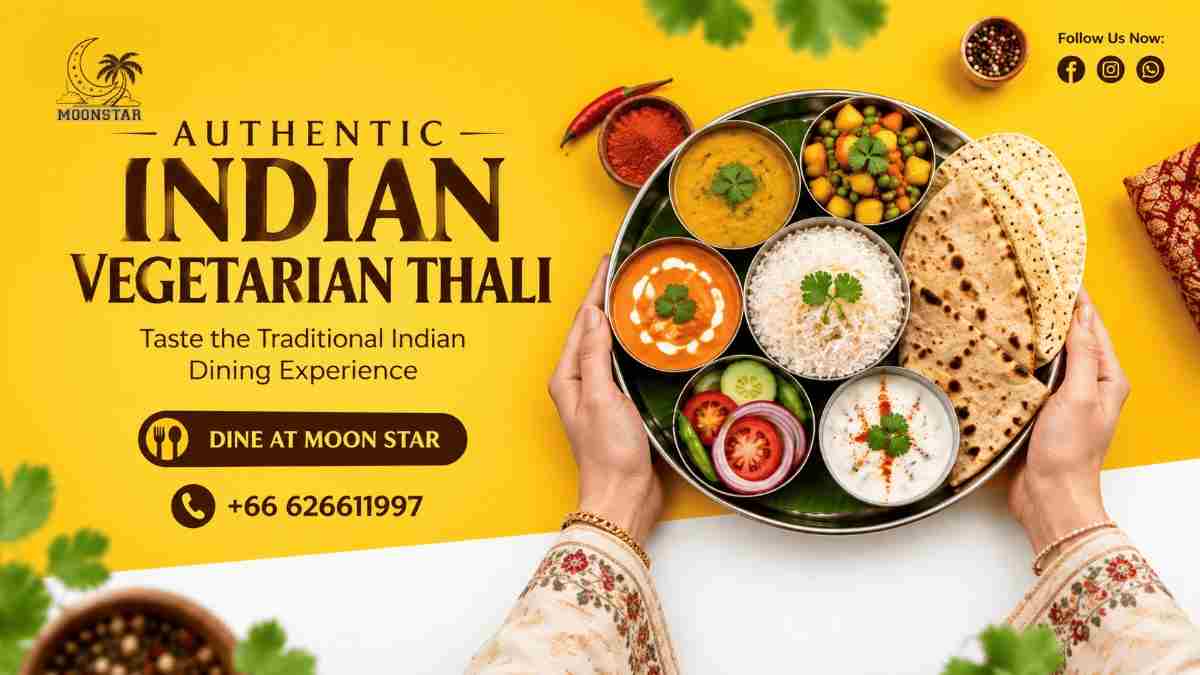
- Staples include rice, various flatbreads, lentils (dal), pickles, chutneys, and yogurt-based sides.
- Food safety and standards in India are overseen by the Food Safety and Standards Authority of India (FSSAI).
Indian cuisine: overview of flavors and techniques
The foundation of Indian cuisine rests on a balance of taste elements—spicy, sweet, sour, bitter, salty, and astringent—achieved through spices, herbs, acids (like tamarind or lemon), and dairy. Spices commonly used include turmeric, cumin, coriander, mustard seeds, fenugreek, and blends such as garam masala. Techniques like tempering (tadka), roasting spices, grinding pastes, and slow steaming or dum cooking concentrate and layer flavors.
Regional traditions and signature dishes
North India
North Indian cuisine often features wheat-based breads (roti, naan), tandoori cooking, rich gravies made with onions and tomatoes, and dairy products such as ghee, paneer, and yogurt. Popular dishes include biryani variations, paneer curries, and kebabs influenced by Mughlai and Punjabi traditions.
South India
South Indian cooking relies heavily on rice, coconut, curry leaves, and tamarind. Common preparations include dosas, idlis, sambar (a lentil-based stew), and coconut-based chutneys. Techniques emphasize steaming and tempering with mustard seeds and curry leaves.
East India
Eastern regions such as Bengal and Odisha use mustard oil, panch phoron (a five-spice mix), and fish-concentrated dishes. Rice and sweets like rasgulla and sandesh are notable. The flavor profile often balances sour tamarind or yogurt notes with mustard pungency.
West India
Western states like Gujarat, Rajasthan, and Maharashtra offer varied cuisines: Gujarati food is known for a sweet-and-savory balance, Rajasthani cuisine includes preserved foods and millet-based breads suited to arid climates, and Maharashtrian cooking features a mix of coastal and inland ingredients, with kokum and peanuts appearing in regional dishes.
Northeast India
Northeastern cuisines use minimal heavy spice blends and instead focus on fermented foods, fresh herbs, bamboo shoots, and smoked meats or fish. Rice and native greens are central to daily meals.
Key ingredients and spice concepts
Typical staples include rice, wheat, millets, lentils (dal), vegetables, legumes, and a wide range of spices. Spice handling is central: whole spices are often toasted to release oils, then ground or added to hot oil for tempering. Spice blends (masala) vary by household and region; examples include garam masala and panch phoron. Herbs like cilantro and mint and condiments such as pickles (achar) and chutneys provide finishing contrasts.
Common cooking techniques
Tempering (tadka)
Tempering is the process of heating oil or ghee, adding whole spices like mustard seeds, cumin, or dried chilies, and pouring the flavored oil over a dish to boost aroma and flavor.
Slow cooking and dum
Dum involves sealing a pot and cooking slowly to allow flavors to meld, commonly used for biryanis and some meat dishes.
Roasting and grinding
Dry-roasting spices before grinding enhances depth. Freshly ground masalas and pastes (ginger-garlic, coconut) contribute bright, layered flavors.
Serving customs and accompaniments
Meals often include a balance of textures and temperatures: a main curry, a dry vegetable, daal (lentils), rice or bread, pickles, and a cooling side like raita (yogurt with cucumber or herbs). Street food culture also plays a large role, offering snacks such as samosas, pakoras, and chaat that showcase tangy, spicy, and crunchy contrasts.
Food safety and cultural context
Food practices vary across regions and communities. Food regulation and safety standards in India are overseen by the Food Safety and Standards Authority of India (FSSAI), which publishes guidance for producers and consumers on labeling and hygiene practices. For official resources, see the FSSAI website: Food Safety and Standards Authority of India.
Storing and adapting flavors
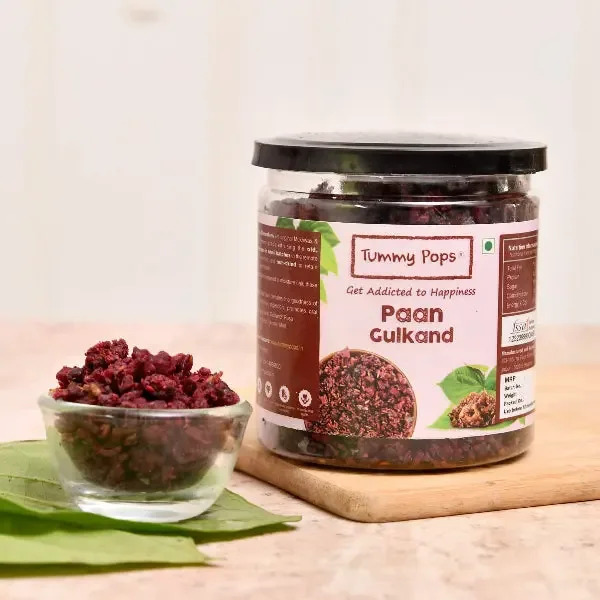
Many Indian spice blends and pickles are preserved for extended use; refrigeration and proper sealing extend shelf life. Home cooks adapt traditional techniques to local ingredients—substituting grains, plant-based proteins, or local produce—while retaining core flavor principles such as layering spices and balancing tastes.
Frequently asked questions
What defines Indian cuisine and its signature flavors?
Indian cuisine is defined by its use of varied spices and herbs, regional staples (rice, wheat, millets), and techniques like tempering and slow cooking that build layered flavors. Balancing spicy, sweet, sour, bitter, and salty elements is a common thread.
How do regional cuisines within India differ?
Regional differences stem from climate, agriculture, religion, and cultural exchange. For example, coastal regions favor seafood and coconut, northern areas emphasize wheat and dairy, and eastern cuisines often feature mustard and freshwater fish.
Can traditional Indian flavors be recreated using local substitutes?
Yes. Core techniques (toasting spices, tempering) and flavor principles can be applied with local ingredients. Freshly toasted and ground spices, acidifiers like tamarind or lemon, and herbs can help approximate traditional profiles.
Is Indian cuisine suitable for vegetarian or plant-based diets?
Many Indian traditions include extensive vegetarian dishes based on lentils, vegetables, and dairy substitutes. Regional recipes and plant-based protein sources such as legumes, paneer alternatives, and jackfruit provide variety.