Riyadh Guide to Concentrated Growth Factor: Uses, Clinics, and Safety
-

- March 02nd, 2026
- 1,270 views
Concentrated Growth Factor in Riyadh is increasingly offered in dental, oral surgery, orthopedic, and dermatology settings as an autologous biologic intended to support tissue repair and healing. This article explains what Concentrated Growth Factor (CGF) is, common applications, how procedures are typically performed, regulatory considerations in Saudi Arabia, and practical steps for patients seeking treatment in Riyadh.
- Concentrated Growth Factor (CGF) is a blood-derived product used to support tissue regeneration in dentistry, orthopedics, and dermatology.
- CGF is produced from a patient’s own blood using a centrifuge and is applied during or after procedures such as implant placement or soft-tissue repair.
- In Riyadh, availability is increasing; verify clinician qualifications and facility licensing and review regulatory guidance from national authorities.
- Evidence varies by indication; consultation and informed consent are essential before any procedure.
Concentrated Growth Factor in Riyadh: What it Is and How It Works
Concentrated Growth Factor (CGF) is an autologous platelet- and fibrin-rich matrix prepared from whole blood. After venous blood is drawn, a specific centrifugation protocol separates a dense fibrin clot enriched with platelets and growth factors. Clinicians place the resulting material at a surgical or wound site to provide a scaffold and a concentrated milieu of signaling proteins such as platelet-derived growth factor (PDGF), transforming growth factor-beta (TGF-β), and vascular endothelial growth factor (VEGF), which are associated with cellular recruitment and tissue repair in laboratory and clinical studies.
Common Clinical Applications and Evidence
CGF is commonly used as an adjunct in several specialties:
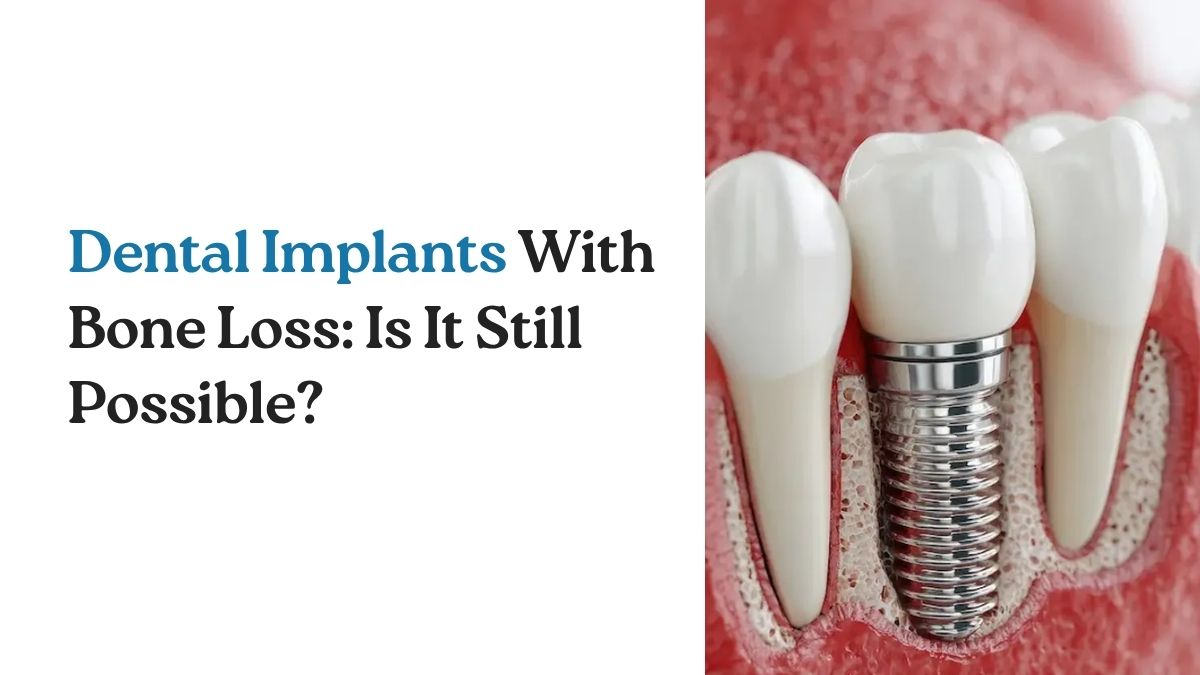
- Dental implant surgery and socket preservation to support bone regeneration and soft-tissue healing.
- Oral and maxillofacial surgery for guided bone regeneration and repair of defects.
- Orthopedic injections or surgical adjuncts for tendon and soft-tissue healing in selected cases.
- Dermatologic and aesthetic procedures where autologous growth factors are combined with microneedling or grafts to support skin repair.
Clinical evidence includes case series and controlled trials in dentistry and some orthopedic contexts. The strength of evidence varies by indication: certain dental applications have a larger body of randomized controlled trials and systematic reviews, while many orthopedic and aesthetic uses have smaller or emerging studies. Patients are advised to review published evidence relevant to their condition and to discuss realistic outcomes with a qualified clinician.
How the Procedure Is Performed
Typical steps for CGF preparation and use are:
- Medical assessment and informed consent, including review of medical history and medications that affect bleeding.
- Venous blood draw performed onsite under sterile conditions.
- Centrifugation in a calibrated device using a validated protocol to produce a fibrin clot enriched with platelets and growth factors.
- Separation of the clot and application or placement at the surgical site, sometimes combined with bone grafts or membranes.
- Post-procedure wound care instructions and follow-up to monitor healing.
Protocols may vary between clinics; equipment, centrifugation settings, and handling technique influence the final product. Seek clinics that follow standard operating procedures and can describe their process clearly.
Safety, Regulation, and Evidence Review
Because CGF is prepared from a patient’s own blood, it is generally considered autologous and has a different safety profile from donor-derived products. Risks include infection, bleeding, and procedure-specific complications. Reported adverse events are relatively uncommon when proper aseptic technique is used, but no biologic intervention is risk-free.
Regulation and oversight of devices and clinical use in Saudi Arabia involve national authorities; patients and clinicians should be aware of applicable licensing and facility standards. For official information about medical device regulation and clinical practice standards, consult the Saudi Food and Drug Authority for guidance on devices and related regulations: https://www.sfda.gov.sa.
Academic and clinical guidelines can help interpret evidence. Systematic reviews and randomized controlled trials are primary sources to evaluate efficacy for a specific indication; professional societies in dentistry, orthopedics, and dermatology publish position statements and consensus guidance that may be relevant.
Finding a Clinic and Choosing a Clinician in Riyadh
When evaluating clinics in Riyadh that offer CGF services, consider the following:
- Credentials and specialty training of the treating clinician (oral surgeon, periodontist, orthopedic surgeon, dermatologist, etc.).
- Facility licensing and infection control practices consistent with the Saudi Ministry of Health standards.
- Transparency about the CGF preparation protocol, centrifuge maintenance, and whether standard operating procedures are documented.
- Before-and-after case examples and peer-reviewed publications linked to the clinic or clinician, if available.
- Clear cost estimates, follow-up plans, and informed consent processes that outline potential benefits and risks.
Cost, Insurance, and Patient Considerations
Costs for CGF procedures in Riyadh vary by specialty, complexity, and whether CGF is used alone or with grafting materials. Public and private insurance coverage depends on the indication and payer policies; many insurance plans consider biologic adjuncts on a case-by-case basis. Financial discussions should occur before treatment, and alternative care options should be presented when appropriate.
Patients with bleeding disorders, active infections, or certain systemic conditions may not be suitable candidates. Current medications that affect platelet function or anticoagulation should be disclosed. Decisions should be made in consultation with the treating clinician, and alternative or complementary treatments should be evaluated.
Practical Steps Before Scheduling Treatment
- Obtain a clinical evaluation and request a written treatment plan that specifies how CGF will be prepared and used.
- Ask for published evidence or clinical audits from the clinic for the specific indication.
- Verify facility licensing and clinician qualifications with the appropriate Saudi health authority.
- Discuss follow-up schedule, expected recovery time, and contingency plans for complications.
Regenerative Research and Future Directions
Regenerative medicine and biologics remain active research areas. Ongoing clinical trials, advances in biomaterials, and better characterization of growth factor profiles are shaping future practice. Clinicians and patients should monitor peer-reviewed literature and guidance from professional societies for updates.
Is Concentrated Growth Factor in Riyadh widely available?
Availability of CGF in Riyadh is growing, with services offered by dental clinics, oral and maxillofacial surgery centers, and some orthopedic and dermatology practices. Distribution varies by facility and specialty. Verification of clinician training and facility standards is important when seeking treatment.
What conditions is concentrated growth factor commonly used for?
CGF is commonly used as an adjunct in dental implant surgery, socket preservation, bone grafting, some tendon and soft-tissue repair procedures, and selected dermatologic or aesthetic procedures. The level of supporting evidence differs by condition.
How should a patient prepare for a CGF procedure?
Preparation typically includes medical history review, stopping certain medications if advised by a clinician, fasting or other pre-procedure instructions as required by the clinic, and arranging transport or support if sedation is planned. Follow clinic-specific guidance.
Are there known risks or side effects?
Risks may include infection, bleeding, local pain, and procedure-specific complications. Adverse events are relatively uncommon with proper technique, but informed consent and clear post-procedure instructions are essential.
How can qualifications and safety be verified?
Verify clinician specialty credentials, facility licensing, documented CGF protocols, and infection-control procedures. Ask for references to peer-reviewed work or clinical audits and confirm any necessary authorizations with local health regulators.
Where to find more authoritative regulatory information?
Official guidance on medical devices, clinical practice regulations, and facility licensing is available from national regulators such as the Saudi Food and Drug Authority and the Ministry of Health. Clinicians and patients should consult these agencies for up-to-date regulatory requirements.
Note: This article provides general information about Concentrated Growth Factor and related services in Riyadh. It is not a substitute for professional medical advice, diagnosis, or treatment. Consultation with a qualified clinician is recommended before making healthcare decisions.