Riyadh Large Pore Solutions: Clinics, Treatments & Home Care
-

- February 23rd, 2026
- 1,347 views
Large pore solutions in Riyadh: an overview of treatments and care
Large pore solutions are increasingly sought in Riyadh as interest grows in non-invasive dermatology and cosmetic dermatology. Clinics, dermatologists, and skincare providers across the city offer a mix of clinical procedures and evidence-based at-home regimens aimed at reducing the appearance of enlarged pores, improving skin texture, and managing sebum production.
- Many options exist: professional procedures (lasers, microneedling, chemical peels) and topical treatments (retinoids, salicylic acid).
- Clinic choice and provider qualifications affect safety and outcomes. Confirm licensure and experience.
- Consistent daily skincare—sun protection, gentle cleansing, and targeted actives—supports longer-term results.
Why pores appear large and what treatments target them
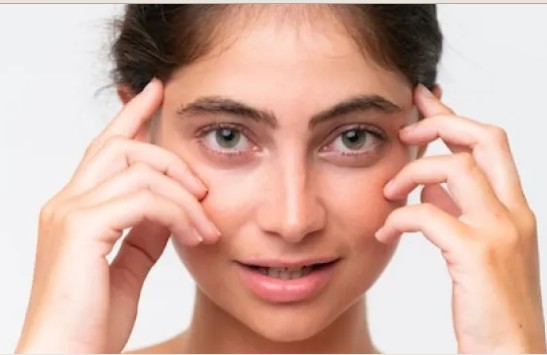
Pore size is influenced by genetics, skin type, age, and oil (sebum) production. Structural factors—such as follicular dilation and decreased skin elasticity—can make pores more visible. Professional treatments and topical approaches aim to reduce oil, increase cell turnover, thicken dermal collagen, and refine skin texture to minimize visible pore diameter.
Professional procedures available in Riyadh
Laser and light-based resurfacing
Fractional lasers and non-ablative resurfacing stimulate collagen and can tighten skin around pores. Sessions typically require multiple visits and may involve temporary redness or swelling. Licensed dermatologists and trained medical staff should perform these procedures in accredited clinics.
Microneedling and radiofrequency (RF) microneedling
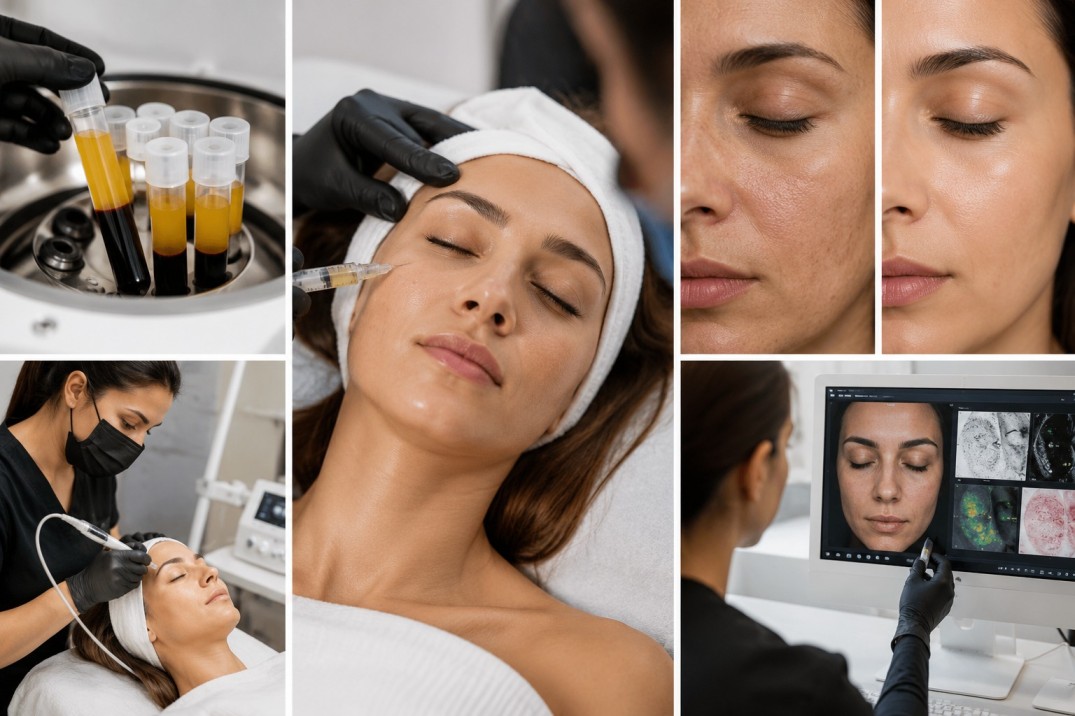
Microneedling creates controlled micro-injuries that promote collagen production. When combined with RF energy, results for skin tightening and pore refinement can improve. Post-procedure care and infection control are important considerations.
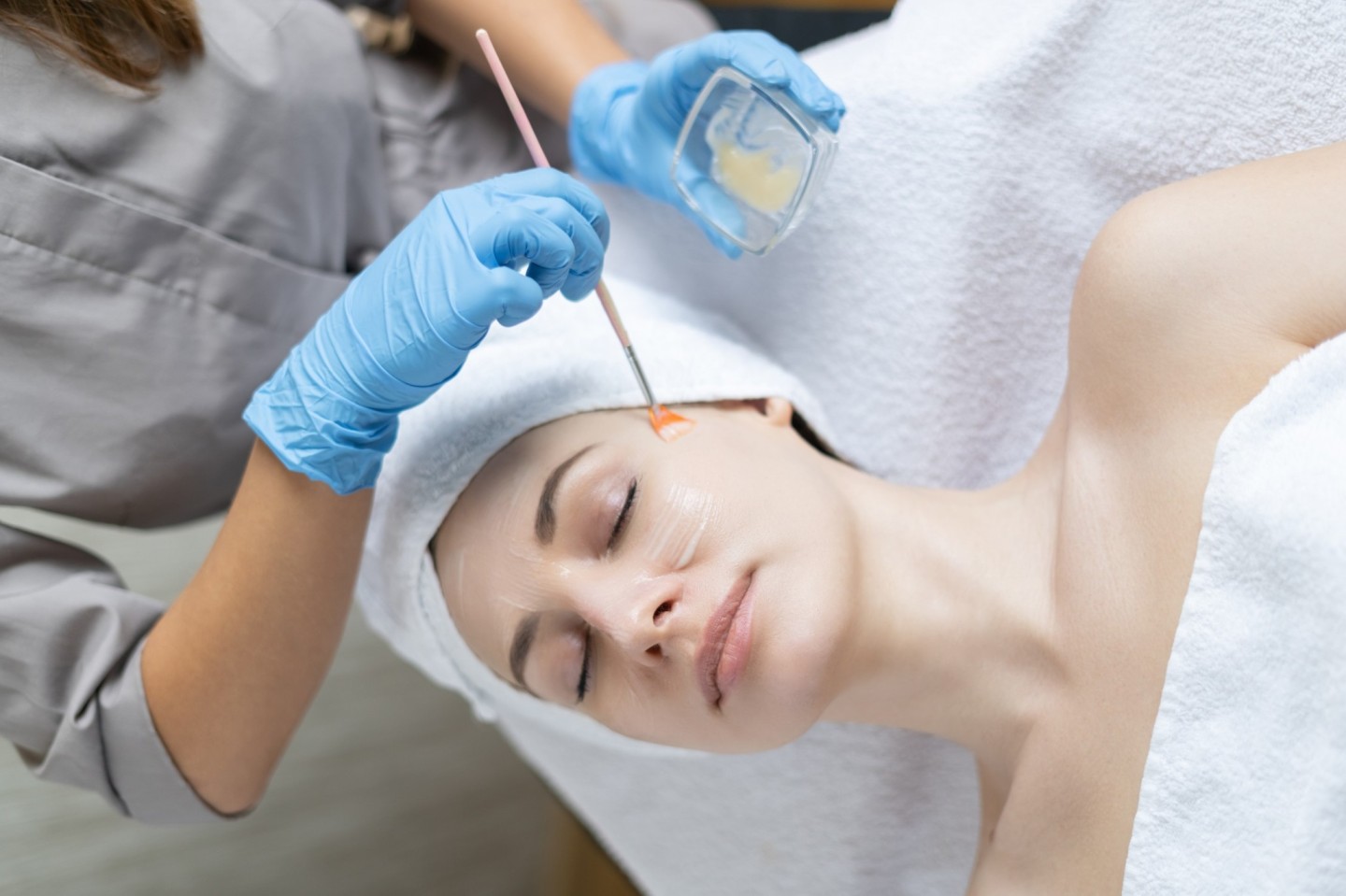
Chemical peels and superficial exfoliation
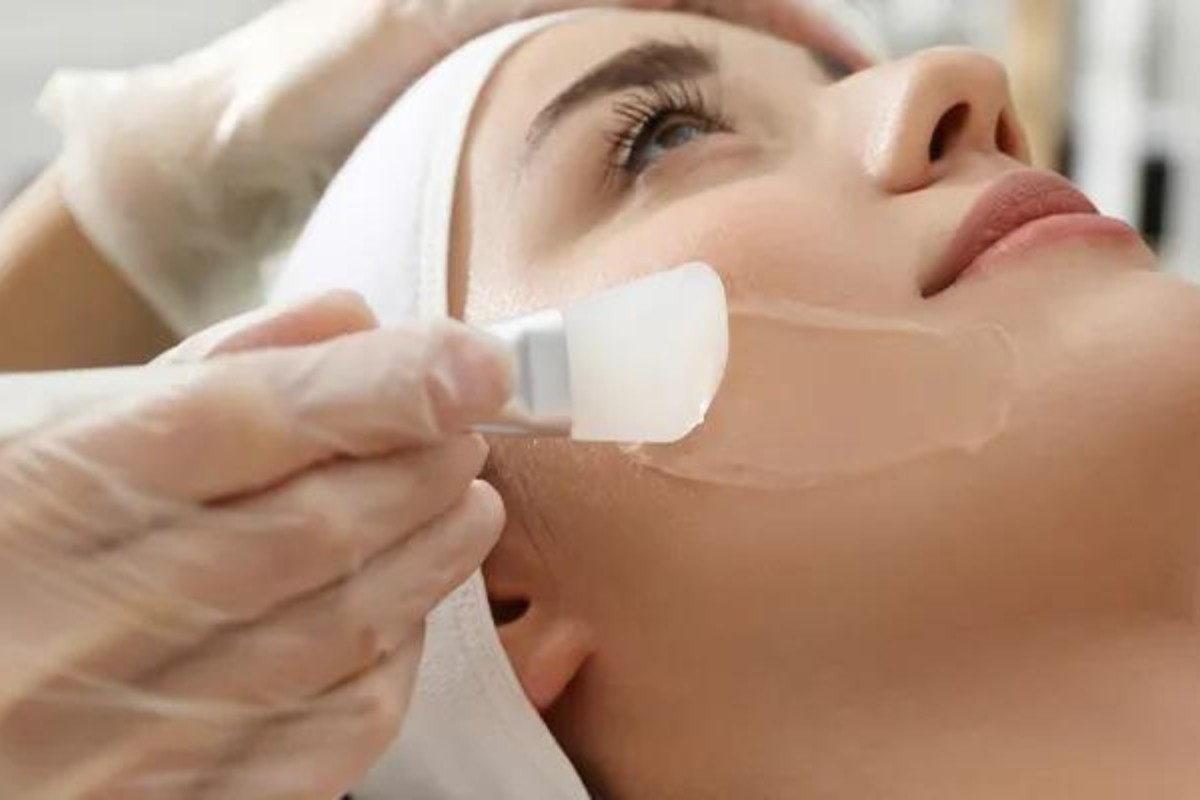
Superficial to medium-depth chemical peels (for example, salicylic acid or glycolic acid formulations under clinical supervision) reduce surface oil and improve texture. Peels are often part of a series for cumulative benefit.
Dermal remodeling injectables and fillers
Some practitioners use minimally invasive injectables to adjust contours or stimulate collagen. These options should be discussed with a qualified dermatologist to assess suitability and risks.
At-home skincare strategies
Cleansing and exfoliation
Regular gentle cleansing removes excess sebum and debris. Chemical exfoliants such as salicylic acid (a beta-hydroxy acid) can penetrate pores and help reduce congestion. Physical scrubs may irritate sensitive skin and are generally less recommended for regular use.
Topical retinoids and actives
Topical retinoids increase cell turnover and can improve overall skin texture and pore appearance over time. Other useful ingredients include niacinamide, azelaic acid, and zinc formulations that help regulate oil production and reduce inflammation.
Hydration and sun protection
Maintaining skin hydration with non-comedogenic moisturizers supports barrier function. Daily broad-spectrum sunscreen helps preserve collagen and prevent photoaging, which can worsen pore appearance.
Choosing a clinic or practitioner in Riyadh
When selecting a provider, verify credentials, facility licensing, and experience in specific treatments. Public health regulators such as the Saudi Ministry of Health set standards for clinical practice; confirm that a clinic adheres to local regulations and infection-control protocols. Reviews and before-and-after documentation can provide additional context, but clinical consultations are necessary to establish realistic expectations.
Safety, regulation, and evidence
Many treatments have peer-reviewed evidence for improving skin texture and pore appearance, while results vary by individual. Professional societies, including dermatology associations, publish guidance on indications and safety. For general patient education, resources from the American Academy of Dermatology summarize common procedures and aftercare. Local academic centers, such as dermatology departments at King Saud University, contribute to regional research and training.
Costs and accessibility in Riyadh
Costs vary by procedure, clinic reputation, and required number of sessions. Non-prescription topical products and basic skin maintenance are typically more affordable, while lasers and combined treatments represent higher investment. Consider a stepwise approach: start with an assessment by a licensed dermatologist to plan treatments aligned with budget and clinical goals.
Practical expectations and timeline
Visible improvement usually takes weeks to months. Topical regimens can show gradual benefits within 8–12 weeks, while many procedural options require multiple sessions spaced weeks apart. Maintenance treatments and continued daily skincare help preserve results.
Conclusion
Large pore solutions in Riyadh range from evidence-based at-home care to advanced in-clinic procedures. A combination of consistent skincare, sun protection, and selective professional treatments typically yields the best long-term outcomes. Confirm provider credentials and follow post-treatment guidance to reduce risks.
Frequently asked questions
What are the most effective large pore solutions available in Riyadh?
Effective approaches commonly include topical retinoids, salicylic acid exfoliation, and professional procedures such as fractional lasers, microneedling, and medium-depth chemical peels. Individual suitability depends on skin type, medical history, and goals; a consultation with a licensed dermatologist is recommended.
Are non-invasive treatments safe for all skin types?
Many non-invasive treatments are safe across a range of skin types when performed by qualified providers, but risks such as hyperpigmentation or irritation can vary. Providers should tailor protocols and aftercare according to skin tone and sensitivity.
How long before results appear and are they permanent?
Results usually develop over weeks to months and often require maintenance. Structural factors and ongoing oil production mean that treatments reduce the appearance of pores rather than permanently eliminating them.
How to verify a clinic's credentials in Riyadh?
Confirm licensing with the Saudi Ministry of Health, review practitioner qualifications, and ask about facility accreditation and infection-control standards. Seek clinics with transparent before-and-after records and clear informed-consent processes.