Balancing Safety and Rights: Security Cameras, Privacy, and Public Protection
-

- March 18th, 2026
- 372 views
Security cameras and privacy must be balanced to protect communities without eroding individual rights. This guide explains how surveillance systems serve public protection, where privacy concerns arise, and practical steps to deploy cameras responsibly.
Detected intent: Informational
Security cameras and privacy: balancing public safety and individual rights
Security cameras are tools for observation that can prevent theft, document incidents, and reassure the public. At the same time, cameras raise privacy questions about who is recorded, how footage is stored, and how long it is retained. Understanding the technical, legal, and ethical dimensions is essential before installing or expanding surveillance systems.
How security cameras protect people and property
Deterrence and situational awareness
Visible cameras reduce opportunistic crime by increasing perceived risk. Integrated systems that combine cameras with lighting and access control improve situational awareness for security teams and emergency responders.
Evidence and incident response
Recorded video provides timestamps, perspectives, and context that can speed investigations and prosecutions. For businesses, footage supports insurance claims and internal reviews.
Legal and ethical considerations: public surveillance ethics and compliance
Legal obligations vary by country and locality. Many jurisdictions require clear notice where people are recorded, data protection safeguards, and limits on retention. Consult local law and guidance from regulatory bodies: for example, the UK Information Commissioner's Office provides best-practice guidance on CCTV and video surveillance (ICO guidance on CCTV).
Privacy impact assessments
Conduct a privacy impact assessment (PIA) before deploying cameras in public-facing spaces. A PIA documents purpose, legal basis, data flows, retention schedules, access controls, and risk mitigation measures.
S.A.F.E. Camera Deployment Checklist
Named framework: S.A.F.E. is a concise model for responsible deployment.
- Survey — Map the area, identify sightlines, and note private spaces that must not be filmed.
- Assess — Define the purpose (deterrence, investigation, traffic monitoring), legal basis, and expected benefits.
- Fix — Select camera types, placement, signage, and technical controls (encryption, access logs).
- Evaluate — Monitor performance, retention policy adherence, and public feedback; update the plan as needed.
Camera placement for protection: practical deployment advice
Camera placement affects both effectiveness and privacy impact. Focus on public access points, high-value assets, and areas with repeat incidents. Avoid directing cameras into private dwellings, restrooms, or spaces where people have a reasonable expectation of privacy.
Practical tips for responsible use
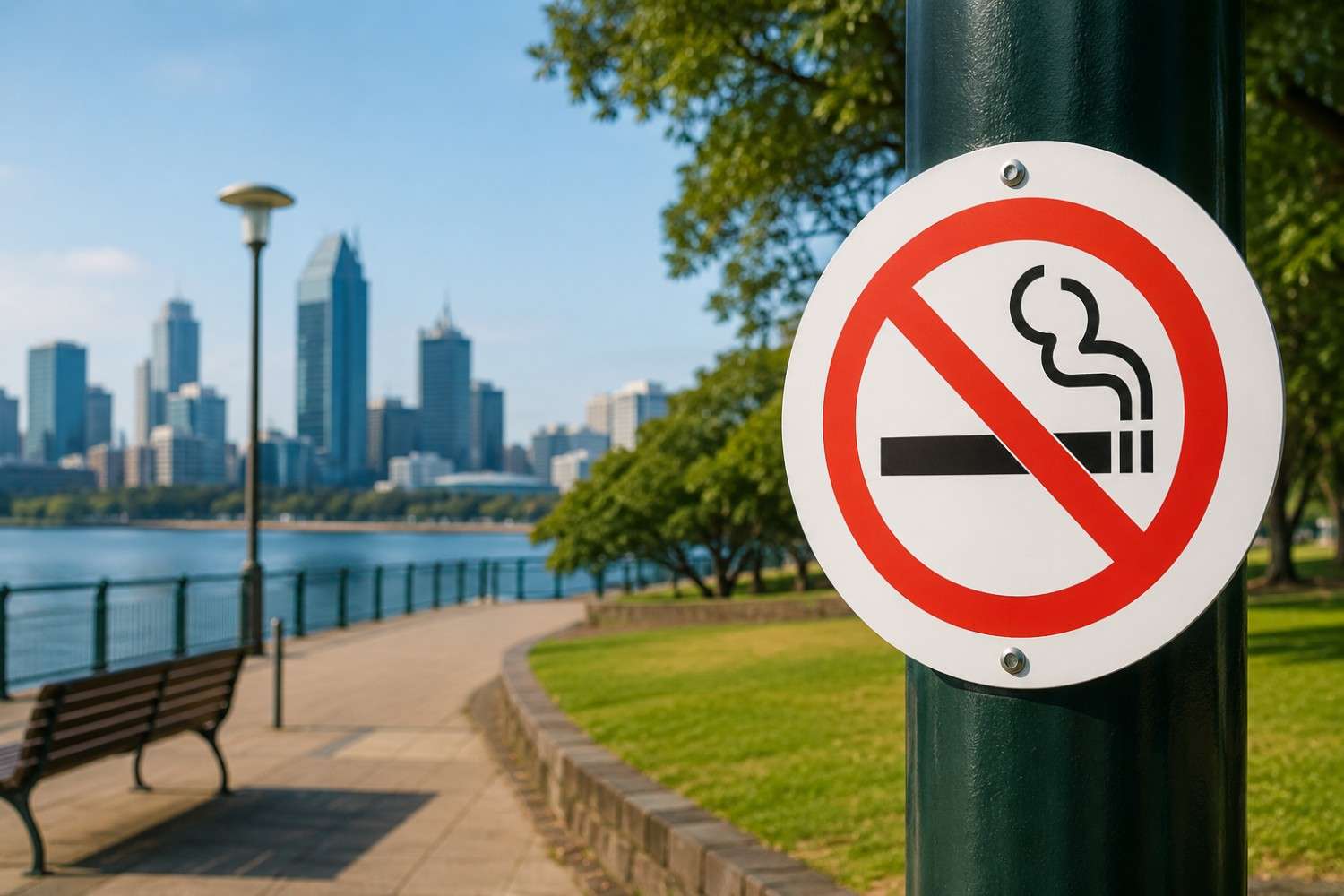
- Install clear signage that states the purpose of recording and contact information for data requests.
- Use data minimization: configure fields of view and resolution to capture necessary detail only.
- Encrypt video at rest and in transit, and restrict access with role-based permissions and audit logs.
- Limit retention to the shortest period that meets investigative and operational needs; automate deletion when possible.
- Regularly review footage access logs and train staff on privacy and legal obligations.
Trade-offs and common mistakes
Trade-offs to consider
There are practical trade-offs when choosing camera features. Higher resolution improves identification but increases storage and privacy risk. Wide-angle lenses cover more area but capture bystanders outside the target zone. Continuous recording offers full coverage but raises retention and review burdens compared with event-triggered recording.
Common mistakes
- Failing to publish a clear privacy notice or signage for recorded areas.
- Over-recording: capturing irrelevant or private spaces due to poor placement.
- Poor access controls that allow unauthorized viewing or retention beyond policy.
- Not maintaining system security—outdated firmware or default passwords that invite hacking.
Short real-world example
A municipal park experienced repeated vandalism at night. The city used the S.A.F.E. checklist: a survey mapped vandalism hotspots, the assessment specified short-term deterrence and incident review, fixed installations placed cameras covering entrances and playgrounds with clear signage, and evaluation reviewed incident rates and public feedback after 90 days. Retention was limited to 30 days unless footage was flagged for investigation.
Core cluster questions
- How should organizations perform a privacy impact assessment for cameras?
- What are best practices for signage and public notice of surveillance?
- How long should security camera footage be retained for public spaces?
- What technical controls reduce the risk of unauthorized access to footage?
- How can camera placement reduce privacy intrusions while maintaining protection?
FAQ
How do security cameras and privacy laws interact?
Privacy laws typically require a lawful basis for processing video, reasonable notice to those recorded, data minimization, secure storage, and mechanisms for individuals to make access or deletion requests. Requirements differ by jurisdiction; consult local regulators and perform a PIA to document compliance steps.
Can cameras be used in public spaces without consent?
Consent is not always required for public-space surveillance when a legitimate public interest exists (e.g., safety, traffic monitoring), but legal bases, transparency, and safeguards are generally required. Posting clear notices and minimizing intrusive recording are standard best practices.
What technical steps protect recorded footage from misuse?
Use encryption for storage and transmission, enforce strong authentication and role-based access, maintain audit logs, apply firmware updates, and segment camera networks from general IT networks to reduce attack surfaces.
How should camera placement for protection avoid privacy harm?
Place cameras to cover public routes and critical assets while avoiding windows into private homes and areas with an expectation of privacy. Adjust focal length and orientation, and use masking features to blur or exclude sensitive zones.
What retention period is appropriate for security camera footage?
Retention should match the purpose: short-term retention (e.g., 7–30 days) is common for routine monitoring, with extended retention only for flagged incidents. Automatic deletion policies help reduce legal and privacy risk.
For further authoritative guidance on CCTV and data protection, see the ICO guidance on CCTV (external link above).