How Roof Color Affects Your Home’s Temperature and Energy Efficiency
-
- Published Updated
- 53 views
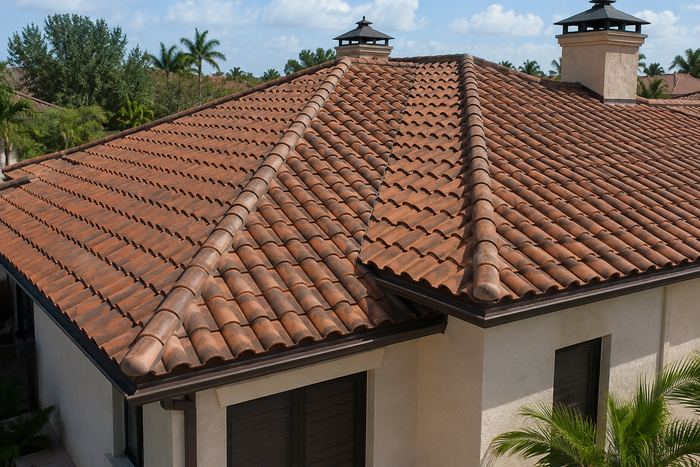
When choosing a new roof, homeowners often focus on durability, appearance and cost. However, roof color is another important factor to consider. The color of your roofing materials can influence how much sunlight the roof absorbs or reflects, potentially affecting attic temperatures, indoor comfort and cooling demands.
In warmer areas of Southern California, where sunny weather is common, selecting the right roof color can be particularly useful. However, color is only one part of an energy-efficient roofing system. Insulation, ventilation, roofing materials and the design of your home also play important roles.
Understanding how roof color affects heat absorption can help you make a more informed decision when planning a roof replacement or building a new home.
How Does Roof Color Affect Heat Absorption?
A roof receives direct sunlight throughout the day. Some of that solar energy is reflected away, while the rest is absorbed by the roofing material and converted into heat.
Generally, darker surfaces absorb more sunlight than lighter surfaces. This means a dark-colored roof may become hotter under similar sunlight conditions than a comparable light-colored roof.
Lighter roofing materials often reflect a greater portion of incoming sunlight, reducing the amount of heat absorbed by the roof surface. This principle is one reason cool roofing products are designed to reflect more sunlight and release absorbed heat efficiently.
However, the actual performance of a roof depends on more than its visible color. The material, surface coating, reflectivity, roof slope, surrounding shade and weather conditions can all influence its temperature.
Dark Roofs vs. Light Roofs: What Is the Difference?
Choosing between a dark and light roof involves balancing appearance, thermal performance and the overall needs of your property.
Dark-colored roofing
Dark gray, brown and black roofing materials can create a bold appearance and complement many architectural styles. They may also help conceal certain types of visible dirt or discoloration, depending on the material.
The main consideration is heat absorption. Conventional dark roofing materials can absorb more solar energy, which may contribute to higher roof surface temperatures during sunny weather.
This does not automatically mean that every dark roof will make a home uncomfortably warm. Adequate attic insulation, proper ventilation and the roofing system's design can help reduce heat transfer into the living space.
Light-colored roofing
White, beige, light gray and other pale roofing colors often reflect more sunlight than darker alternatives, particularly when the materials have high solar reflectance.
Reducing solar heat absorption can help limit heat transfer into the building and may lower air-conditioning demand under suitable conditions.
Light-colored roofs can be a practical option for homes in warm climates. Still, homeowners should consider the property's architecture, neighborhood requirements, material availability and maintenance needs before making a final selection.
What Is a Cool Roof?
A cool roof is designed to reflect more sunlight and release absorbed heat more effectively than a conventional roof with similar characteristics.
Cool roofing products may include reflective shingles, specially coated metal roofing and certain single-ply roofing membranes used on flat or low-slope buildings.
Two important performance characteristics are:
Solar reflectance: The ability of a roof surface to reflect incoming sunlight.
Thermal emittance: The ability of a surface to release absorbed heat.
A roof with strong performance in both areas may remain cooler under sunny conditions than a conventional roofing product.
Importantly, a cool roof is not defined by color alone. Some products with darker appearances are engineered to reflect more sunlight than conventional materials of a similar color. Homeowners should compare product specifications rather than relying only on the shade shown in a sample.
Does Roof Color Affect Energy Bills?
Roof color can influence cooling costs, but the amount of potential savings varies from one home to another.
In a house with significant air-conditioning use, a roof that absorbs less solar heat may reduce the amount of heat entering the building. This can lower cooling demand under favorable conditions.
Several factors influence the result:
Climate: Homes exposed to long periods of strong sunshine may benefit more from reflective roofing than properties in cooler regions.
Insulation: Effective attic insulation helps slow the movement of heat from the roof area into the living space.
Ventilation: Properly designed roof and attic ventilation can help manage heat and moisture, although ventilation alone cannot replace adequate insulation.
Air conditioning: The age, efficiency and usage patterns of your cooling system affect overall energy consumption.
Roof design: Slope, orientation, shade and surrounding buildings influence how much sunlight reaches the roof.
Because these variables differ between properties, there is no single energy-saving percentage that applies to every roof color or home.
Choosing the Right Roof Color for Southern California
Southern California homeowners often need to balance warm-weather performance with appearance and long-term durability. The right choice depends on the property's design, local conditions and personal preferences.
Consider the surrounding architecture
A roof should complement the home's exterior colors, siding, stonework, windows and landscaping. Neutral shades such as gray, tan and brown can work with many architectural styles, while lighter tones may create a brighter overall appearance.
Evaluate sunlight and shade
A roof exposed to direct sunlight for most of the day may respond differently from one shaded by mature trees or nearby buildings. Consider how much direct sunlight reaches your property before deciding whether reflective roofing is a priority.
Compare material options
Asphalt shingles, metal roofing, tile and flat-roofing systems have different appearances and thermal characteristics. Two products with similar colors may also perform differently because of their coatings, composition and surface finish.
Check community requirements
Some neighborhoods, homeowners associations or local building requirements may restrict available colors or materials. Confirm any applicable rules before purchasing roofing products.
Look beyond the initial price
Compare the material's expected performance, maintenance requirements, installation needs and warranty terms. A suitable roofing choice should provide a good balance of appearance, durability and practical performance.
Why Insulation and Ventilation Still Matter
Selecting a reflective roof can help manage solar heat, but it is not a substitute for a well-designed building envelope.
Insulation helps limit heat transfer between the attic and living areas. If insulation is inadequate, a roof with excellent solar reflectance may not deliver the full indoor comfort benefits homeowners expect.
Ventilation is another important consideration. A properly designed ventilation system can help manage attic heat and moisture, depending on the building design and climate.
Air leaks around attic openings, poorly sealed ductwork and gaps around ceiling penetrations can also affect indoor temperatures and energy use.
When planning a roof replacement, consider the roof as part of the home's overall energy performance rather than treating color as the only deciding factor.
Can You Choose an Energy-Efficient Roof Without Sacrificing Style?
Yes. Homeowners do not necessarily need to choose a bright white roof to improve solar performance.
Roofing manufacturers offer a variety of colors, finishes and materials with different reflective properties. Some products are specifically engineered to deliver improved solar reflectance while maintaining a darker or more traditional appearance.
The best approach is to compare available products and review their technical specifications. Ask about reflectance ratings, durability, maintenance requirements and compatibility with your existing roof structure.
It is also helpful to review physical samples in natural daylight. Roof colors can look different depending on sunlight, shadows and the colors of nearby exterior materials.
A roofing professional can help you compare suitable options based on the home's design, location and project goals.
When Should You Consider Changing Your Roof Color?
A roof replacement provides a natural opportunity to reconsider the color and performance of your roofing materials.
You may want to evaluate different options if your existing roof is nearing the end of its useful life, your home experiences substantial cooling demand or you are updating the exterior appearance of the property.
However, changing the color alone may not justify replacing a roof that remains in good condition. Consider the roof's age, current performance, repair needs and overall replacement costs before making a decision.
If replacement is already necessary, comparing conventional and reflective roofing products can help you choose a system that suits your priorities.
Frequently Asked Questions
Are light-colored roofs always cooler than dark roofs?
Not always. Light colors often reflect more sunlight, but the material, surface coating and reflective properties also matter. Some specially engineered dark roofing products can perform better than conventional products with lighter colors.
Is a cool roof worth considering in Los Angeles?
It may be worth considering, particularly for properties with substantial sun exposure and air-conditioning use. The benefits depend on the building design, insulation, roofing product and local conditions.
Does roof color affect winter heating costs?
Potentially. A darker roof may absorb more solar heat during sunny weather, which can sometimes contribute to winter warmth. However, the overall effect depends on the climate, insulation and heating system. Year-round performance should be considered rather than focusing on one season.
Which roofing materials offer reflective options?
Reflective options are available in several roofing categories, including certain asphalt shingles, coated metal roofing and flat-roofing membranes. Product specifications should be reviewed to determine actual performance.
Should I replace my roof just to improve energy efficiency?
Not necessarily. Start by assessing the existing roof, insulation, ventilation and other sources of heat gain. If a roof replacement is already needed, comparing energy-efficient roofing products may be a practical next step.
Conclusion
Roof color can influence how much solar heat your home absorbs, making it an important consideration when selecting new roofing materials. Lighter or specially engineered reflective products may help reduce heat absorption and cooling demand, particularly in sunny climates.
However, the best roofing solution depends on more than color. Material selection, insulation, ventilation, roof design and installation quality all contribute to long-term performance.
For homeowners and commercial property owners in Los Angeles and Ventura Counties, HighQ Roofing can help you explore roofing options for your property's needs.
Visit HighQ Roofing to learn more about roofing services and plan your next roofing project.