Root Canal Therapy in Islamabad: Advanced Endodontic Techniques and Patient Guide
-

- February 23rd, 2026
- 1,340 views
Root Canal Therapy in Islamabad: An Overview for Patients
The phrase root canal therapy in Islamabad refers to endodontic procedures carried out to treat infection or inflammation of the dental pulp in the city’s clinical settings. This article explains common indications, diagnostic steps, modern techniques, expected recovery, and how regulatory and professional standards apply in Islamabad without replacing individualized clinical advice.
- Root canal therapy treats infected or inflamed dental pulp to save natural teeth and relieve pain.
- Diagnosis uses clinical exam, dental radiographs and sometimes CBCT imaging.
- Modern care uses isolation (rubber dam), rotary instrumentation, irrigation and three-dimensional obturation.
- Provider selection should consider training in endodontics and oversight by local professional bodies.
What Is Root Canal Therapy and Why It Is Performed
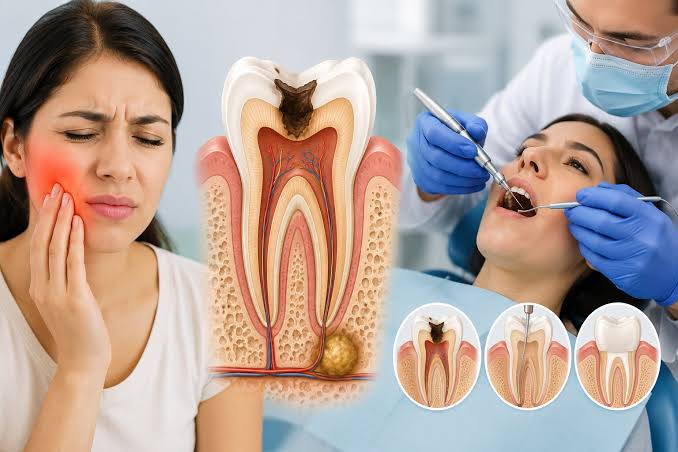
Root canal therapy, also called endodontic treatment, removes infected or damaged pulp tissue from inside a tooth and seals the root canal space to prevent reinfection. Common causes that lead to the need for treatment include deep decay, repeated dental procedures on the tooth, cracks or trauma that expose the pulp, and advanced periodontal disease with pulp involvement. If untreated, infection can progress to apical periodontitis or abscess formation.
How Diagnosis and Treatment Planning Typically Work
Clinical assessment and imaging
Diagnosis typically involves a clinical examination, pulp vitality tests, and periapical radiographs. Cone-beam computed tomography (CBCT) may be used for complex anatomy or suspected fractures. Radiographic imaging helps identify root curvature, resorption, and periapical lesions.
Referral and specialist care
General dentists manage many routine cases. Complex anatomy, persistent symptoms after prior treatment, or retreatment needs often prompt referral to an endodontist—an allied dental specialist trained in root canal therapy and microsurgical procedures.
Typical Steps of Modern Root Canal Therapy
Preparation and anesthesia
Local anesthesia is administered to control pain. Isolation of the tooth with a rubber dam limits contamination and improves visibility.
Access, cleaning, and shaping
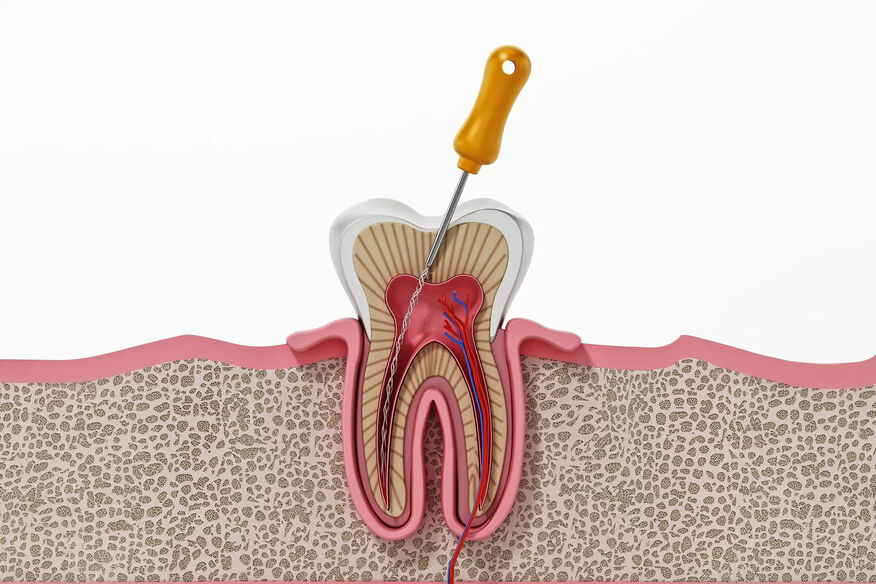
A small access cavity is created to reach the pulp chamber. Mechanical shaping of canals using hand files or nickel-titanium rotary instruments removes infected tissue and shapes canals for irrigation and obturation. Electronic apex locators help determine working length.
Irrigation and disinfection
Irrigation with antimicrobial solutions and adjunctive methods (ultrasonic activation or agitation) reduce microbial load within the canal system. Effective irrigation is crucial because complex canal anatomy can trap bacteria in lateral canals and isthmuses.
Obturation and restoration
After drying, canals are obturated—commonly with gutta-percha and a sealing material—to fill the prepared space. Definitive coronal restoration (crown or onlay) is important to protect the tooth and restore function.
Technologies and Techniques Available in Islamabad Clinics
Many clinics in Islamabad use contemporary endodontic tools such as operating microscopes or magnification loupes, rotary NiTi instruments, digital radiography, apex locators, and CBCT imaging for complex cases. These technologies can improve diagnostic accuracy and procedural efficiency when used by experienced clinicians.
Safety, Regulations and Professional Standards
Dental practice in Islamabad is influenced by national regulatory frameworks and professional associations. Providers may be registered with national medical and dental authorities and follow infection prevention recommendations from international public health agencies. For overarching guidance on infection control and clinical safety, see the World Health Organization’s resources on health facility safety and infection prevention: World Health Organization. Local professional organizations and the Pakistan Medical Commission provide additional oversight for qualifications and licensing.
Recovery, Outcomes and Risks
Expected recovery
Mild discomfort or sensitivity is common for a few days after treatment and generally managed with over-the-counter analgesics as directed by the treating clinician. Most teeth heal predictably when canals are adequately cleaned and sealed and a good coronal restoration is placed.
Possible complications
Potential complications include persistent infection, instrument separation, perforation, or incomplete obturation. Retreatments or endodontic surgery (apicoectomy) may be necessary in some cases. Success rates vary by case complexity, with single-visit versus multi-visit strategies chosen based on clinical judgment.
Costs and How to Choose a Provider in Islamabad
Costs depend on tooth location, complexity, required imaging, and whether treatment is provided by a general dentist or specialist endodontist. When choosing a provider, consider formal training in endodontics, clinic infection control measures, use of modern diagnostic tools, and clear communication about treatment options and prognosis. Verification of licensure with national regulators is an important trust signal.
When to Seek Care
Seek prompt dental evaluation for persistent tooth pain, swelling, sensitivity that does not resolve, or signs of oral infection such as facial swelling or fever. Timely assessment can prevent progression and improve the chances of saving the tooth.
FAQ
What is root canal therapy in Islamabad and how long does it take?
Root canal therapy in Islamabad follows the same clinical principles used elsewhere: diagnosis, cleaning and shaping of canals, disinfection, and obturation. Treatment time varies—simple cases may be completed in one visit (30–90 minutes), while complex anatomy or retreatment can require multiple appointments.
Is root canal therapy painful?
Local anesthesia typically prevents pain during the procedure. Mild postoperative discomfort is common and usually temporary. Patients with severe preoperative infection may experience greater postoperative symptoms, which clinicians address with appropriate medications and follow-up care.
How to find a qualified endodontist or dentist for root canal therapy in Islamabad?
Check provider credentials, look for endodontic specialty training, ask about the use of rubber dam isolation and contemporary imaging, read patient reviews, and confirm registration with national health authorities or dental associations. Clinics that explain treatment options and follow evidence-based protocols are preferable.
Can a tooth that had root canal therapy fail and what are the options?
Failure can occur due to persistent infection, missed canals, or new decay compromising the restoration. Options include retreatment, endodontic surgery (apicoectomy), or extraction and replacement. A diagnostic assessment including radiographs helps determine the best approach.