Safe Prenatal Yoga Poses: A Trimester-by-Trimester Guide for Pregnant Women
-

- Published Updated
- 293 views
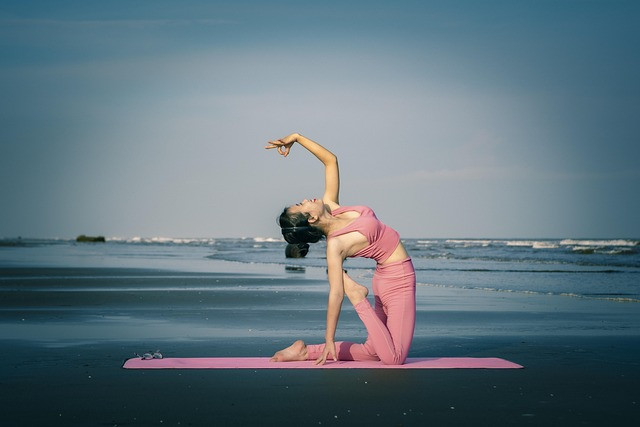
prenatal yoga poses can help improve posture, ease common aches, and maintain strength and flexibility during pregnancy when practiced safely and with medical clearance. This guide lists practical poses, trimester modifications, a named safety checklist, a short real-world scenario, and actionable tips for pregnant women and caregivers.
- Focus on gentle, supported postures: pelvic tilts, cat-cow, supported squat, and side-lying relaxation.
- Modify by trimester and symptoms; avoid deep twists, strong inversions, and breath retention.
- Use the SAFE Prenatal Yoga Checklist before each practice and consult an obstetric provider for clearance.
prenatal yoga poses: essential sequence and safety
Begin sessions with a brief check-in with a healthcare provider and a gentle warm-up. A short sequence of pelvic tilts, cat-cow, supported squat, and side-lying relaxation can be practiced throughout pregnancy with simple modifications. Keep movements slow, prioritize breathing, and stop if sharp pain or dizziness occurs.
Core poses and how to do them safely
- Pelvic tilts (seated or hands-and-knees) — Cue: inhale to lengthen spine, exhale to tuck pelvis and engage low abdominal muscles. Benefits: relieves low back stiffness and strengthens the deep core without compression.
- Cat–Cow (Marjaryasana–Bitilas) — Gentle spinal flexion and extension. Modify by widening knees for belly room and move with the breath to avoid strain.
- Supported squat (Malasana, using a block or chair) — Feet wider than hips, sit back onto a block or chair for support. Keep weight back on heels to open hips and train upright posture without overstretching pelvic ligaments.
- Bound angle (Baddha Konasana) with support — Sit on a folded blanket; press soles together and keep knees supported with pillows to reduce overstretching.
- Warrior II (gentle) — Use a shorter stance, micro-bend the front knee, and avoid compressing the belly; focus on strengthening legs and improving balance.
- Side-lying relaxation and supported Savasana — Lie on the left side with pillows under head and between knees for comfortable rest and improved circulation.
Trimester modifications and safe prenatal yoga poses for each trimester
Modify intensity and positions as the pregnancy progresses. First trimester: prioritize fatigue management and nausea-friendly rests. Second trimester: increase support and avoid supine holds longer than a few minutes. Third trimester: favor side-lying, seated, and standing supported postures; shorten sessions and add more rest.
Practical modifications
- Replace prolonged supine poses with side-lying or upright positions after the first trimester to avoid vena cava compression.
- Use props: blocks, bolsters, and chairs reduce strain and make stabilizing poses accessible.
- Limit deep hip-openers and ballistic movements; instead use micro-mobilizations and strengthen surrounding muscles.
prenatal yoga for back pain relief: targeted poses and cues
Low back pain is common during pregnancy. Pelvic tilts, cat–cow, supported bridge (with a block under sacrum), and gentle side stretches can reduce discomfort when practiced with neutral spine and breath coordination.
Short example routine for back pain
- 5–10 pelvic tilts, moving with the breath.
- 10 rounds of cat–cow with wide-knee support.
- Supported bridge: lift hips onto a block for 30–60 seconds, repeat 2–3 times.
- Finish with side-lying relaxation for 3–5 minutes on the left side.
gentle yoga poses during pregnancy: breathing and pacing
Use slow diaphragmatic breathing and avoid breath retention or forceful breath techniques. Pace sessions around energy levels: several short sessions per day often work better than one long session.
SAFE Prenatal Yoga Checklist (framework)
- S—Seek medical clearance from an obstetric provider before starting.
- A—Align with neutral spine cues; avoid deep end-range stretching.
- F—Favor support: blocks, chairs, bolsters, and pillows.
- E—Exit if any sharp pain, bleeding, leakage, or dizziness occurs; rest and contact a provider.
Real-world scenario
A 28-week pregnant person reported persistent lower back ache and difficulty squatting to pick up a toddler. After medical clearance, a short daily routine of pelvic tilts, supported squat with a chair, and cat–cow reduced pain and improved functional movement within two weeks. Emphasis was on small range-of-motion, consistent breathing, and using a chair for stability.
Practical tips
- Always get clearance from a healthcare provider, especially with high-risk pregnancy or symptoms like bleeding or preterm contractions.
- Use props liberally: a chair, wall, blocks, and bolsters increase safety and comfort.
- Stop or modify any pose that causes sharp pain, lightheadedness, or decreased fetal movement.
- Practice shorter, more frequent sessions if energy or nausea is an issue.
- Keep hydrated and avoid overheating; prefer well-ventilated spaces and moderate room temperatures.
Trade-offs and common mistakes
Common mistakes include pushing range of motion (overstretching relaxed ligaments), holding the breath during effort, and attempting advanced inversions without supervision. Trade-offs: some strengthening poses may feel uncomfortable but are useful for labor preparation—balance strengthening with comfort and always prioritize safety and provider guidance.
For official exercise guidance during pregnancy, consult the American College of Obstetricians and Gynecologists: ACOG: Exercise During Pregnancy.
When to stop and seek help
Stop practice and contact a healthcare provider for any vaginal bleeding, regular painful contractions, sudden swelling, severe headache, visual disturbances, or decreased fetal movement. Emergency evaluation is required if symptoms are severe or sudden.
FAQ: What are the best prenatal yoga poses to practice during pregnancy?
Best prenatal yoga poses include pelvic tilts, cat–cow, supported squat, bound angle with props, gentle warrior variations, and side-lying relaxation. Choose poses that permit comfortable breathing, respect balance changes, and allow easy exits.
Is prenatal yoga safe in the first trimester?
Prenatal yoga can be safe in the first trimester after medical clearance. Prioritize rest if experiencing fatigue or nausea and avoid straining or breath-holding.
How should poses be modified in the third trimester?
Modify by widening stances, using props for support, avoiding prolonged supine positions, and focusing on side-lying, seated, and supported standing poses to maintain circulation and comfort.
Can prenatal yoga help with labor preparation?
Yes. Gentle pelvic mobility, perineal awareness, and breath-linked movement can support pelvic floor control and endurance useful for labor. Combine yoga practice with perinatal education and provider guidance for a complete preparation plan.
Are there any prenatal yoga poses to avoid?
Avoid deep backbends, vigorous abdominal compressions, hot yoga, long inversions without guidance, and any posture that causes pain, lightheadedness, or shortness of breath. When in doubt, substitute with a supported or seated variation.