Saffron Benefits Explained: Uses, Science, Safety, and Quality Guide
-

- February 23rd, 2026
- 1,426 views

FREE SEO Topical Map Generator: Find Your Next Content Ideas
The benefits of saffron have been noted in culinary, cultural, and research contexts for centuries. Saffron (Crocus sativus) is a spice prized for its aroma, color, and bioactive compounds such as crocin, crocetin, picrocrocin, and safranal. Interest in saffron spans traditional medicine systems, food science, and contemporary clinical research investigating mood, cognition, antioxidant activity, and metabolic effects.
- Saffron is derived from the dried stigmas of Crocus sativus and contains several bioactive compounds.
- Research suggests potential effects on mood, cognition, inflammation, and antioxidant status, though evidence varies by condition and dose.
- Quality and purity vary; ISO 3632 grading and laboratory testing help detect adulteration.
- Use in food is widespread; therapeutic applications are under study but not universally established.
What is saffron and where does it come from?
Saffron is the dried red-orange stigma of the Crocus sativus flower. Major producing regions include Iran, Spain, and Kashmir, each with distinct harvest and curing practices that influence aroma and color. Because harvesting is labor-intensive—each flower yields only three stigmas—saffron is among the world’s most expensive spices. The spice is rich in pigments and volatile compounds responsible for its characteristic properties.
Benefits of saffron
Scientific interest in the benefits of saffron centers on its phytochemicals and potential biological effects. Most human studies are small or preliminary; outcomes vary by formulation, dose, and population. Key areas of investigation include:
Mood and mental health
Several randomized trials have examined saffron extracts for symptoms of mild-to-moderate depression and premenstrual mood changes. Some trials report improvements compared with placebo, possibly linked to saffron’s influence on neurotransmitter pathways and antioxidant effects. Larger, higher-quality trials are needed to confirm findings and to define optimal dosing.
Cognitive function
Animal studies and limited human research suggest saffron constituents such as crocin may support cognitive processes and memory. Research in age-related cognitive decline and early stages of neurodegenerative disease is ongoing; results remain preliminary.
Antioxidant and anti-inflammatory activity
Crocin and related carotenoids in saffron have antioxidant properties in laboratory and animal studies, which may contribute to cellular protection and modulation of inflammatory pathways. Translating these findings into clear clinical benefits requires more human data.
Cardiovascular and metabolic effects
Early research indicates possible effects on blood pressure regulation, lipid profiles, and insulin sensitivity, but evidence is inconsistent. Saffron’s bioactive compounds are being studied for potential roles in metabolic health alongside diet and lifestyle interventions.
Culinary, cultural, and topical uses
Saffron is widely used in foods for its color and flavor. In many cultures it is also used in traditional remedies and as an ingredient in cosmetics and topical preparations for its scent and pigment.
How saffron works: active compounds and mechanisms
Major active constituents include:
- Crocin and crocetin: carotenoid pigments responsible for saffron’s yellow-orange color and linked to antioxidant activity.
- Picrocrocin: contributes to bitter taste and is a precursor to aroma compounds.
- Safranal: a volatile compound that provides characteristic aroma and may affect neurotransmitter systems.
Laboratory studies show these compounds can interact with oxidative stress pathways, inflammatory mediators, and neurotransmitter systems, but clinical relevance depends on absorption, dose, and formulation.
Uses, formulations, and culinary practice
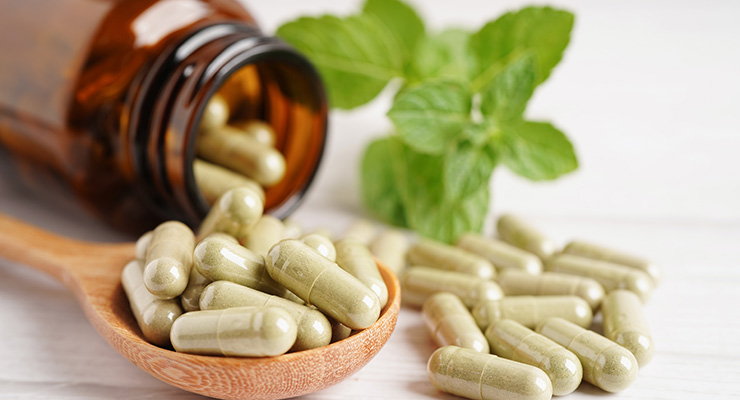
Saffron is used whole, ground, or as an extract. Culinary use typically involves steeping threads in warm liquid to release color and aroma. Extracts standardized for crocin or safranal appear in research studies. Saffron is also found in specialty supplements, often combined with other ingredients; product composition varies widely.
Safety, quality, dosage, and adulteration
Saffron used as a spice is generally recognized as safe when consumed in typical culinary amounts. Therapeutic or supplemental doses studied in trials are often higher; safety at those levels should be evaluated carefully. Reported side effects in some studies include gastrointestinal discomfort and drowsiness. Very high intake may carry risks.
Quality and purity are important considerations. Adulteration—mixing or replacing saffron with other plant materials or dyes—is common in some markets. The International Organization for Standardization (ISO) has a grading standard (ISO 3632) to assess crocin, picrocrocin, and safranal content. Analytical methods used in academic and regulatory testing include high-performance liquid chromatography (HPLC) and spectrophotometry.
Regulatory approaches to saffron vary by country; food authorities such as the U.S. Food and Drug Administration (FDA) and the European Food Safety Authority (EFSA) monitor food safety and labeling. Consultation with a healthcare professional is advised before using concentrated saffron supplements, especially during pregnancy or when taking medications.
For summaries of scientific literature on saffron, authoritative databases such as PubMed provide access to peer-reviewed studies and reviews: PubMed: saffron research.
Frequently asked questions
What are the main benefits of saffron?
Research suggests potential benefits for mood, cognitive support, antioxidant effects, and some metabolic markers. Evidence varies by condition, and clinical recommendations require further large-scale studies.
Is saffron safe to consume daily?
Typical culinary use is considered safe. Daily intake of high-dose supplements has been used in some clinical trials but should be approached cautiously. Pregnant people and those on certain medications should consult a qualified clinician before taking concentrated saffron supplements.
How can consumers check saffron quality?
Look for recognizable threads (stigmas), check for ISO 3632 grading if available, and buy from reputable vendors. Laboratory certification for crocin/safranal content and absence of contaminants is the most reliable indicator of quality.
Can saffron replace standard medical treatments?
No. While research explores therapeutic roles for saffron, it should not replace established medical treatments. Discuss any interest in complementary products with a licensed healthcare professional.