Increase Revenue and Productivity with an Advanced Sales Team Tracking App
-

- Published Updated
- 1,482 views
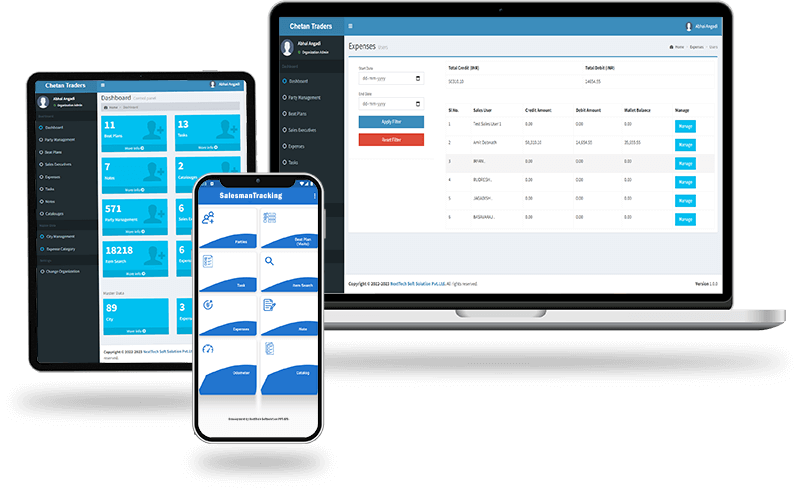
A sales team tracking app can streamline field operations, improve pipeline visibility, and surface actionable performance data for managers and reps. When chosen and implemented thoughtfully, a sales team tracking app supports better routing, activity logging, customer engagement history, and KPI tracking without creating undue administrative burden.
- Key benefits include real-time visibility, improved routing, and consistent performance metrics.
- Core features: CRM integration, geolocation, activity capture, analytics dashboards, and offline support.
- Measure impact with KPIs such as conversion rate, average deal velocity, and coverage per territory.
- Address privacy and regulatory requirements (GDPR, CCPA) through consent, data minimization, and secure storage.
How a sales team tracking app improves efficiency
Adoption of a sales team tracking app reduces manual reporting, shortens sales cycles, and helps align activities with strategic objectives. Visibility into rep locations, visit frequency, and time spent per account enables managers to balance territories, prioritize high-value prospects, and reduce idle travel time. Integrations with the customer relationship management system (CRM) and calendar tools ensure records stay current and reduce duplicate data entry.
Primary features and why they matter
CRM and pipeline integration
Deep integration with a CRM centralizes customer records and updates deal stages automatically. This keeps the sales pipeline accurate for forecasting and enables data-driven coaching based on real-time activity.
Location and route optimization
Geolocation and route planning reduce travel time and costs for field sales. Territory mapping and heatmaps reveal under-served areas and opportunities for reallocation of resources.
Activity capture and communication logs
Automated capture of visits, calls, notes, and attachments preserves a reliable customer history and reduces time spent on manual entry. Timestamped activities improve accountability and support dispute resolution.
Analytics, dashboards, and alerts
Custom dashboards surface KPIs like conversion rate, average deal size, pipeline velocity, and activity-to-win ratios. Alerts for stalled deals or missed visits allow proactive intervention from managers.
Measuring impact: key metrics and ROI
Operational KPIs
Track measurable indicators such as number of customer touches per week, visits per territory, and time-on-site. Monitoring these metrics helps relate activity levels to sales outcomes.
Revenue and efficiency metrics
Calculate average sales cycle length, win rate, and revenue per rep before and after implementation to estimate ROI. Including travel cost savings and reduced admin time provides a fuller view of financial impact.
Privacy, security, and regulatory considerations
Data privacy and compliance are critical when collecting location and customer interaction data. Implement role-based access, encryption at rest and in transit, and data retention policies aligned with applicable laws. For organizations operating in the European Union, the General Data Protection Regulation (GDPR) sets consent and data subject rights requirements; similar obligations exist under the California Consumer Privacy Act (CCPA). Consult guidance from regulators such as the European Commission and local data protection authorities when designing processes. For an overview of EU data-protection law, see the European Commission's data protection page here.
Practical safeguards
Adopt data minimization (collect only what is needed), provide clear employee and customer notices, and require explicit consent for tracking where legally necessary. Implement incident response plans and periodic security audits, and consider certifications such as ISO 27001 to demonstrate commitment to information security.
Implementation checklist and best practices
Needs assessment
Define objectives (e.g., shorten cycle time, improve territory coverage), identify stakeholders, and map current workflows to determine where the app will add value.
Pilot, training, and rollout
Start with a pilot group to validate features and measure initial impact. Provide role-based training and documentation. Use feedback loops to refine workflows before a full rollout.
Maintain data quality
Automate data capture where possible, set validation rules, and schedule regular data-cleaning routines. Consistent taxonomy for accounts, products, and activities improves reporting reliability.
Common challenges and mitigation
User adoption
Address adoption hurdles by keeping workflows simple, minimizing manual entry, and showing clear performance benefits to reps. Incentives and manager reinforcement can accelerate use.
Privacy concerns
Respond to privacy concerns with transparent policies, the ability to pause personal tracking outside work hours, and accessible mechanisms for data access and deletion requests.
Integration complexity
Plan for API compatibility, data mapping, and middleware needs. Early involvement of IT and vendor support reduces integration delays.
Conclusion
A thoughtfully selected and implemented sales team tracking app can improve efficiency, sharpen pipeline accuracy, and enable data-driven management. Success depends on clear objectives, attention to user experience, strict privacy protections, and ongoing measurement against defined KPIs.
What is a sales team tracking app and how does it work?
A sales team tracking app captures field and remote sales activities—such as visits, calls, notes, and geolocation—integrates with CRM systems, and provides managers with dashboards and alerts to optimize territory coverage, coaching, and pipeline management.
Which KPIs should be tracked after deploying a sales team tracking app?
Key KPIs include conversion rate, average deal velocity, visits per account, revenue per rep, time spent on administrative tasks, and travel cost per visit. Choose metrics aligned with business goals and measure them before and after deployment.
How can privacy and compliance be ensured when using a sales team tracking app?
Ensure compliance through consent mechanisms, data minimization, secure storage and transmission, role-based access, and documented retention and deletion policies. Review applicable laws such as GDPR and CCPA and consult legal or compliance teams for jurisdiction-specific requirements.