How to Plan a Perfect 2-Day Sariska Tiger Reserve Trip from Delhi
-

- Published Updated
- 5,322 views
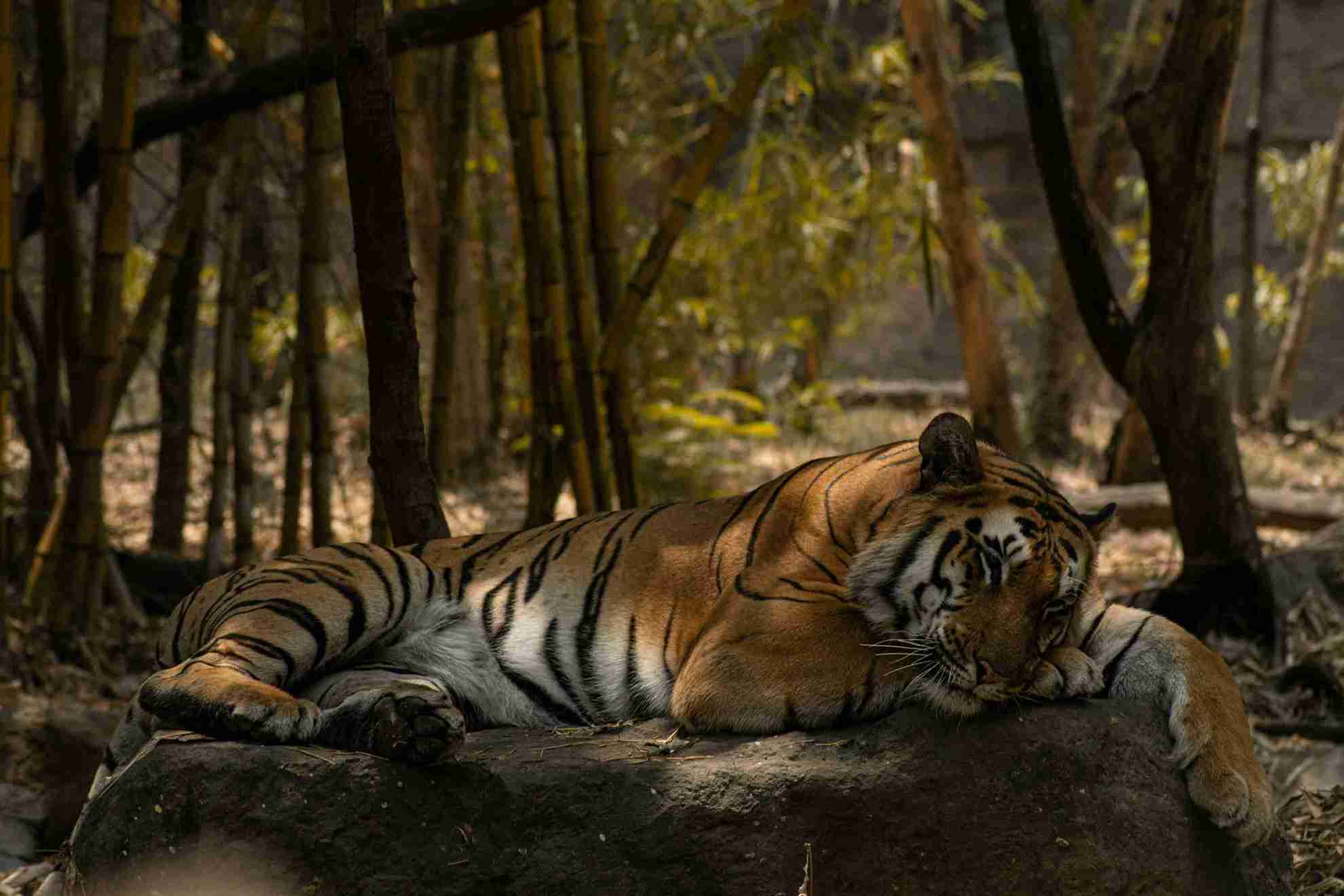
Most people discover Sariska Tiger Reserve the same way. Someone mentions it at a dinner, they google it, they see the photos, and three weekends later they’re standing at the edge of a dry riverbed watching a tiger cross the road at sunrise. That is the kind of trip this is.
Sariska sits in the Aravalli hills of Alwar district, Rajasthan. It is roughly 110 km from Jaipur and around 200 km from Delhi — close enough for a proper weekend getaway from Delhi, far enough to feel like you’ve actually left. No long haul flights. No planning paralysis. Just a car, an early start, and two days that remind you what the world looks like outside a screen.
Here is how to do it right.
Why Sariska Works as a 2-Day Trip
Sariska Tiger Reserve is one of India’s most accessible Project Tiger reserves. It was declared a wildlife sanctuary in 1955 and became a full tiger reserve in 1978. After a difficult period in the early 2000s when tigers were completely wiped out, a landmark relocation project brought tigers back from Ranthambore — and today the reserve is thriving, with over 40 tigers recorded as of early 2025.
What makes Sariska ideal for a short trip is variety. You are not going purely for the safari. Within a 30 km radius you have Bhangarh Fort (among the most storied forts in Rajasthan), the ancient Neelkanth Mahadev temple complex, Siliserh Lake, the Pandupol Hanuman Mandir tucked inside the forest, and enough bird species to keep birders genuinely occupied. Two days feels short only because there is more than enough to fill three.
Getting There
Take NH-48 to Shahjahanpur and enter via the Alwar route. Count on roughly 3 to 3.5 hours depending on traffic. Most Delhi travellers prefer leaving by 5 AM to make it for morning safari.
Day 1: Arrive, Settle, and Let the Forest In
Check into your resort by early afternoon. This is not the day to rush. Sariska rewards those who slow down.
The afternoon is perfect for a guided nature walk inside the resort grounds or along the forest edge. The Aravalli foothills are extraordinarily rich in birdlife — you will encounter peacocks, jungle babblers, grey francolins, and if you are patient, spotted deer grazing at the waterhole.
In the evening, opt for a night drive along forest roads. Several properties including Chokhiwadi Forest Retreat arrange private night drives that let you spot nocturnal animals — hyenas, foxes, jackals, and porcupines — that daytime safari vehicles never see. The experience is different, quieter, and genuinely thrilling.
End the night at a bonfire under open skies. In the Aravallis, away from city light pollution, the stars are worth staying up for.
Day 2: The Safari and the Fort
Wake before dawn. This is non-negotiable. The morning slot at Sariska Tiger Reserve — typically 6 AM to 10 AM depending on season — is when wildlife is most active. Tigers, leopards, sloth bears, sambar deer, and nilgai all move before the heat sets in.
Safari logistics you need to know:
- Safari permits must be booked in advance through the official forest department. Walk-in permits on peak weekends are rarely available.
- A shared bus costs approximately ₹2,000 per person; a private gypsy is around ₹8,500.
- Most good resorts assist with safari bookings — confirm this at the time of reservation.
- Zones include Tehla Gate and Sariska Gate. The zone assigned depends on availability and season.
After the morning safari and breakfast, drive to Bhangarh Fort — about 35 km from the reserve. The 17th-century Mughal fort is one of the most intact and atmospheric ruins in Rajasthan. Give it two hours, at least. The outer ramparts offer views across the valley that are worth the climb.
If you have time before heading back: Siliserh Lake near Alwar is 40 km away. The old palace hotel on the waterfront makes for a beautiful stop, even just for tea.
Head back to Jaipur or Delhi by late afternoon. You will be home by evening, feeling like you have been away for a week.
Where to Stay: Chokhiwadi Forest Retreat
The stay makes or breaks a trip like this. A resort near Sariska that is just a building with beds misses the point entirely.
Chokhiwadi Forest Retreat sits on 9.5 acres in the Aravalli foothills bordering Sariska National Park — about 61 km from Jaipur International Airport and just over an hour by road from the city. It was built in 2022, but not in the way most resorts are built. Before the first room was ready, over 20,000 native trees had already been planted. The forest you walk through on the property is not inherited land — it was cultivated, deliberately and slowly, as the foundation of everything else.
Accommodation options:
- Luxury Glamping Tents (from ₹5,999/night): Safari-style African tents with porticos that open directly to Aravalli views and peacock parades at dawn.
- Mud Villas (from ₹7,999/night): Handcrafted mud huts painted with traditional Rajasthani Mandana art by local women artisans.
- Stone Cottages (from ₹12,999/night): The most indulgent option — spacious, opulent, where wild meets regal in a way that is hard to describe until you have slept there.
What sets Chokhiwadi apart is not the rooms — it is the philosophy behind them. The property runs on solar power, uses rainwater harvesting, composts all waste, and sources food from its own 7,000-tree organic food forest. Every staff member lives within 5 km of the retreat. The milk comes from village families nearby. This is not greenwashing; it is how the place actually operates.
The flagship restaurant, Spice Aangan, serves traditional Rajasthani cuisine — dal baati churma, slow-cooked laal maas — under a Maharaja-styled tent, with wildlife photography shot by the founder lining the walls. Breakfast from farm-to-table desi Kadaknath eggs eaten in the morning sun outside your tent is a memory that tends to linger.
Best Tips
- Best time to visit: October to March for cooler weather and better safari visibility. The reserve partially closes during peak monsoon.
- Book safari permits before you book your resort. Peak weekend slots fill up quickly.
- Carry: Neutral-coloured clothing, binoculars, a light jacket for mornings, good walking shoes.
- Do not carry: Plastic bottles inside the reserve. Most eco-resorts provide refillable flasks.
- Budget per person (approximate for 2 days): ₹8,000–₹16,000 including stay, meals, and safari, depending on accommodation choice.
For more information -
Chokhiwadi Forest Retreat, Guwara Dulawa, Ajabgarh, Thanagazi, Rajasthan 301027.
Contact: +91 9588903155 | [email protected] | chokhiwadi.com