Sawar Rudraksha: Traditional Meaning, Natural Formation and Spiritual Significance
-
- September 25th, 2026
- 83 views
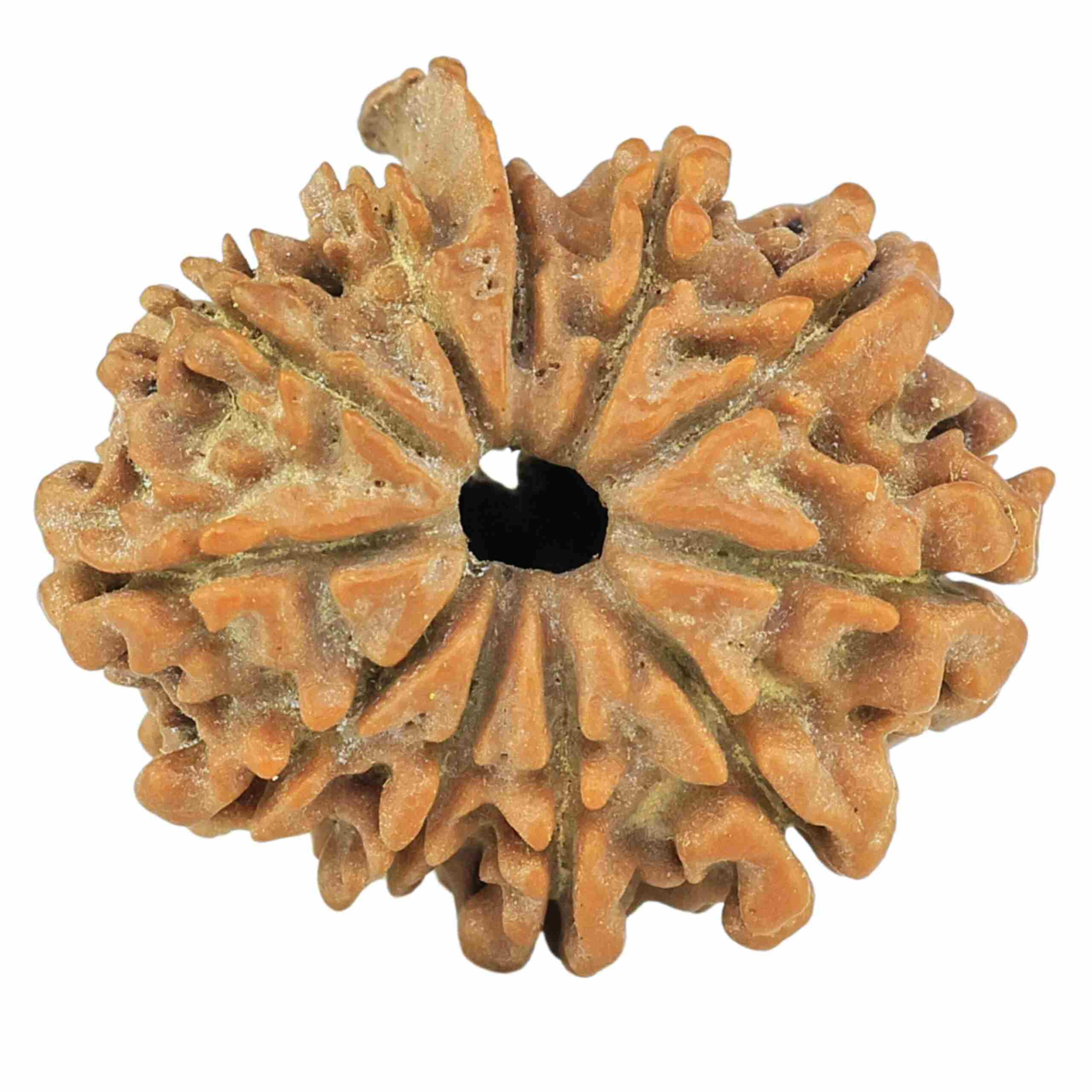
 Rudraksha occurs in several natural forms, and some are especially distinctive because of the way the seed develops. Sawar Rudraksha is one such special form, traditionally recognized by the presence of a smaller Rudraksha naturally attached to a larger Rudraksha seed.
For people exploring Sawar Rudraksha, understanding its physical formation is just as important as understanding its traditional meaning. The bead is commonly associated with Lord Ganesha and is traditionally connected with wisdom, obstacle navigation, new beginnings, and spiritual awareness.
These associations belong to religious and cultural traditions. They should not be presented as scientifically proven effects or guarantees of success, protection, or the removal of specific obstacles.
What Is Sawar Rudraksha?
Sawar Rudraksha is a naturally occurring special form of Rudraksha in which a smaller Rudraksha is naturally joined to a larger bead.
Its unusual structure gives it a distinctive appearance compared with a standard single Rudraksha.
The bead is traditionally associated with Lord Ganesha, which gives it symbolic connections with:
Wisdom
New beginnings
Discernment
Obstacle navigation
Learning
Spiritual awareness
Why Is It Associated With Lord Ganesha?
Lord Ganesha is traditionally worshipped as a deity associated with wisdom and auspicious beginnings.
He is also widely recognized in Hindu traditions as Vighnaharta, a remover of obstacles.
This traditional association provides the spiritual context for Sawar Rudraksha.
The bead can therefore serve as a symbolic reminder to approach difficulties with patience, awareness, and thoughtful action.
Understanding the Natural Formation
The most distinctive feature of Sawar Rudraksha is its physical structure.
A smaller Rudraksha grows naturally attached to a larger Rudraksha.
This should be distinguished from two separate beads that have been artificially attached after harvesting.
When evaluating one, examine:
The natural connection
Surface continuity
Structure of both seeds
Mukhi formation
Overall appearance
Individual product photographs
The natural connection is central to identifying this special form.
Why Natural Formation Matters
A special Rudraksha form can have considerable interest among practitioners and collectors.
That also means buyers should be careful about artificially modified beads.
A seller may describe two attached beads as Sawar Rudraksha, but the important question is whether the connection developed naturally.
Product-specific photographs and suitable authentication information can help buyers evaluate this.
Traditional Association With Wisdom
Lord Ganesha's traditional connection with wisdom gives Sawar Rudraksha a knowledge-oriented symbolism.
Wisdom can involve more than simply possessing information.
It can mean:
Understanding circumstances
Thinking before acting
Learning from experience
Recognizing consequences
Making considered decisions
For a practitioner, the bead can become a reminder to approach situations thoughtfully.
Traditional Association With Obstacles
The Ganesha association also connects Sawar Rudraksha with the traditional idea of overcoming obstacles.
This does not mean that wearing the bead guarantees that difficulties will disappear.
A more grounded interpretation is that the bead represents the qualities needed to approach obstacles:
Patience
Persistence
Awareness
Adaptability
Courage
The obstacle may remain, but the practitioner's approach toward it can become a subject of reflection.
New Beginnings
Ganesha is traditionally invoked at the beginning of many auspicious activities.
This gives Sawar Rudraksha another symbolic connection with new beginnings.
It may be meaningful to people starting:
A business
A course of study
A new project
A spiritual routine
A major personal chapter
The bead does not guarantee success in a new venture.
Its traditional symbolism can instead serve as a reminder to begin with awareness and preparation.
Traditional Spiritual Use
Sawar Rudraksha may be incorporated into different spiritual practices.
It can be:
Worn as a pendant
Used during meditation
Kept in a prayer space
Included in Ganesha worship
Used during mantra practice
Some practitioners prefer to cleanse and prepare Rudraksha before wearing it.
The exact practice depends on individual spiritual and family traditions.
Who May Traditionally Consider Sawar Rudraksha?
There is no universal rule determining who should wear this bead.
Its traditional symbolism may appeal to:
Lord Ganesha devotees
Students
Entrepreneurs
People starting new projects
Meditation practitioners
Spiritual seekers
Rudraksha collectors
People selecting it for a specific astrological or spiritual purpose may prefer guidance from a knowledgeable practitioner.
Sawar Rudraksha and Ganesh Rudraksha
The terminology surrounding special Rudraksha forms can sometimes be confusing.
Sawar Rudraksha is generally discussed as a special naturally joined form involving two Rudraksha structures.
Ganesh Rudraksha, on the other hand, is traditionally identified by a trunk-like protrusion on the surface of the seed.
The physical characteristics are therefore different.
Buyers should check the actual structure rather than relying only on product names.
How to Identify an Authentic Sawar Rudraksha
When evaluating a Sawar Rudraksha, look for:
Naturally joined seeds
Organic connection
Natural surface texture
Clearly visible Mukhi lines
Individual product photographs
Physical specifications
Certification where available
The connection should not appear obviously artificial.
For rare forms, additional authentication can be useful.
Individual Product Photographs
A general photograph can show the typical appearance of Sawar Rudraksha.
However, when buying a particular bead, individual photographs provide more useful information.
Multiple views can help examine:
The joining point
Surface texture
Mukhi formation
Overall condition
Shape
This is particularly important when the product carries a premium because of its unusual natural formation.
Certification and Verification
Certification can provide supporting information about a Rudraksha.
Depending on the product and testing process, documentation may include:
Product identification
Mukhi information
Dimensions
Weight
Origin
Certification details
Laboratory information
For a special or rare Rudraksha, buyers may also ask whether laboratory or X-ray verification is available.
The documentation should ideally correspond to the actual bead being purchased.
Origin of Sawar Rudraksha
Rudraksha can originate from different geographical regions.
Natural differences can occur according to origin and individual growth.
These may involve:
Size
Shape
Surface texture
Mukhi characteristics
Origin is useful product information but should not be treated as independent proof of authenticity.
Natural Variation Is Expected
Because Rudraksha is a natural seed, no two examples need to look exactly alike.
Differences can occur in:
Colour
Shape
Size
Weight
Texture
For Sawar Rudraksha, the naturally joined structure is particularly important.
Variation in the rest of the seed should be considered within the context of natural growth.
Rudraksha Sanskar and Sawar Rudraksha
Rudraksha Sanskar offers different Rudraksha varieties and special forms through its online platform.
Its Sawar/Ganesh Rudraksha offering provides information for buyers interested in this distinctive form.
For someone considering a Sawar Rudraksha, reviewing the specific product's photographs, natural formation, dimensions, weight, origin, certification, and authenticity information can provide a clearer basis for evaluating the individual bead.
Caring for Sawar Rudraksha
Because of its naturally joined structure, careful handling is particularly appropriate.
Avoid:
Harsh chemicals
Direct perfume
Excessive polishing
Rough handling
Clean gently and store the bead safely.
The joining area should not be subjected to unnecessary pressure.
What Should You Check Before Buying?
Before purchasing, ask:
Is the smaller bead naturally joined to the larger one?
Are individual photographs provided?
Is the joining area clearly visible?
Are Mukhi details available?
Are dimensions and weight provided?
Is origin disclosed?
Is certification available?
Does the documentation relate to the individual bead?
What is the authenticity and return policy?
These questions can help distinguish a naturally formed special Rudraksha from an artificially assembled product.
Traditional Meaning vs Guaranteed Results
The association with Ganesha gives Sawar Rudraksha a rich traditional meaning.
However, buyers should be cautious about claims that it will automatically:
Remove every obstacle
Guarantee success
Improve academic performance
Create wealth
Solve relationship problems
Traditional symbolism can provide spiritual meaning without being treated as a guarantee.
Conclusion
Sawar Rudraksha is a distinctive special form traditionally recognized by a smaller Rudraksha naturally attached to a larger seed. Its association with Lord Ganesha gives it traditional connections with wisdom, new beginnings, obstacle navigation, discernment, and spiritual awareness.
For practitioners, these themes can become part of meditation and devotional practice.
For buyers, the natural joining of the two seeds is particularly important. Individual photographs, physical specifications, origin, certification, and authenticity information can help provide a clearer basis for evaluating a Sawar Rudraksha before purchase.