Brighton CO Plumbing Experts: Fast Leak Repair, Drain Cleaning & Emergency Service
-
- April 08th, 2026
- 279 views

Get a free topical map and start building content authority today.
Reliable plumbing experts in Brighton CO make it simple to stop leaks, clear clogs, and protect a home’s water systems. This guide explains what services to expect, how to choose a qualified plumber, and practical steps to take during an emergency or routine repair.
Detected intent: Commercial Investigation
Quick view: Covers leak detection, drain cleaning, emergency plumber options, a named CLEAR checklist for evaluating service, pricing considerations, a short real-world scenario, and 5 core cluster questions for related searches.
What local plumbing experts in Brighton CO do and when to call
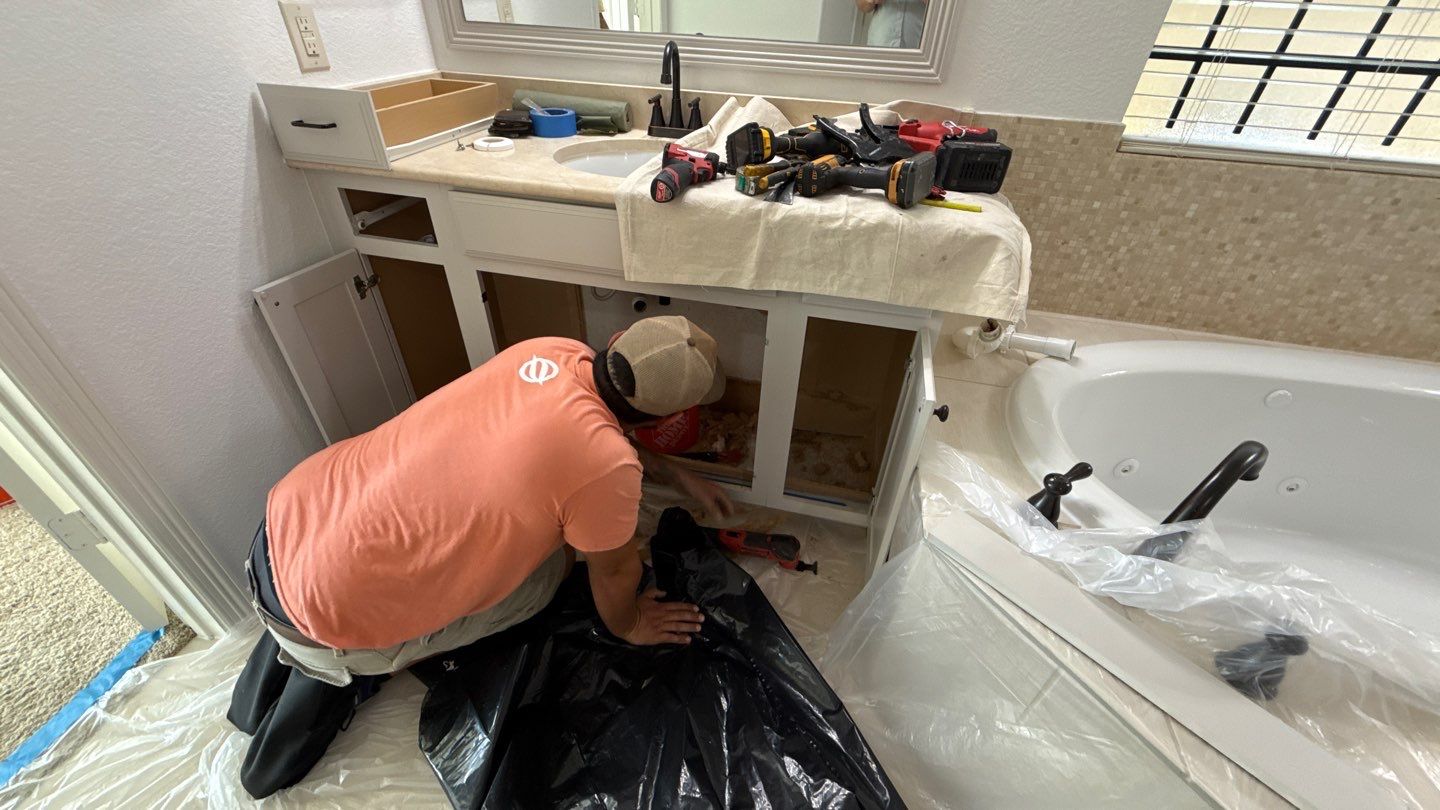
Licensed plumbing experts in Brighton CO handle leak detection, pipe repair, drain cleaning, water heater service, sump pump installation, and emergency plumbing. Common triggers to call a professional include persistent toilet or sink clogs, visible leaks, low water pressure, unusual noises in pipes, or a water heater failure.
How to evaluate a plumber: the CLEAR checklist
Use the CLEAR Plumbing Service Checklist to compare options quickly and consistently:
- Certify — Confirm state license, local permits, and insurance.
- Listen & Inspect — Ask for a clear diagnosis before work begins and request video or photos for hidden issues (camera drain inspections are common).
- Estimate — Get a written estimate with labor, parts, and warranty details.
- Act — Verify permit pulls and proper disposal practices; ensure work follows local plumbing codes.
- Review — Request post-service documentation, including warranties and preventive recommendations.
Typical services, tools, and related terms
Services include pipe patching, trenchless repair, hydro-jetting for severe blockages, sump pump testing, and water heater repair or replacement. Tools and techniques to know: drain snakes (augers), camera inspection, hydro-jetting, leak detection equipment, and backflow prevention devices. Related entities: local building department (permits), state licensing board, and industry standards from organizations such as the American Society of Plumbing Engineers (ASPE).
Real-world example: weekend backup resolved fast
Scenario: A two-story Brighton home woke to sewage backup in the basement on a Saturday morning. An emergency call identified a collapsed lateral pipe under the driveway. The technician used a camera inspection to confirm the collapse, performed a temporary bypass to stop the backup, then scheduled trenchless pipe replacement. The temporary measure prevented property damage; the permanent repair eliminated recurring clogs.
Pricing expectations and trade-offs
Typical costs vary: a routine drain cleaning often ranges lower than camera inspections or hydro-jetting, while emergency visits and full pipe replacements are higher. Trade-offs include:
- Speed vs. permanence: Temporary fixes (chemical drain cleaners, patching) are cheaper and faster but may lead to repeat calls.
- Cost vs. longevity: Trenchless repairs cost more upfront but reduce landscaping and driveway restoration costs and last longer.
- DIY vs. professional: DIY can save money on minor clogs but risks damaging pipes or missing code-required fixes.
Common mistakes homeowners make
- Using excessive chemical drain cleaners that degrade pipes and kill beneficial bacteria in septic systems.
- Delaying action after seeing a small leak, which often becomes a major repair.
- Choosing the lowest bid without checking license, insurance, or references.
Emergency response: what to do immediately
When an urgent issue appears, shut off water at the main valve, turn off power near affected appliances, and call an emergency plumber. If contamination is suspected, avoid using faucets and contact local water authorities for guidance; information on drinking water safety is available from the EPA for best practices and health considerations (EPA: Drinking Water).
Practical tips to prevent leaks and clogs
- Schedule an annual plumbing inspection for older homes to catch wear before failure.
- Install hair screens and sink strainers, and avoid pouring grease down drains.
- Know where the main shutoff and water heater valves are located and label them for quick access.
- Maintain sump pumps and test them before high-rain seasons.
How to choose between options: emergency plumber, scheduled service, or DIY
For burst pipes, sewage backup, or major leaks, call an emergency plumber Brighton CO residents trust; these situations require immediate containment. For recurring slow drains or suspect build-up, schedule professional drain cleaning Brighton CO specialists provide—camera inspection first, then cleaning with cable or hydro-jetting depending on severity. Minor clogs caused by hair or food may be handled with a plunger or hand auger if no backflow or smell is present.
Core cluster questions (use as related content targets)
- How much do plumbers charge in Brighton CO?
- When should an emergency plumber be called in Brighton CO?
- What methods clear a clogged main sewer line?
- How to detect hidden slab leaks in a home?
- When is trenchless pipe repair a better option?
Practical tips summary
Actionable short checklist:
- Label shutoff valves and test them twice a year.
- Keep a basic plumbing kit: plunger, hand auger, adjustable wrench, pipe tape, and spare supply lines.
- Document manufacturer dates for water heaters and schedule replacement at recommended intervals.
Warranty, permits, and post-service documentation
Verify written warranties and ask for invoices that list parts and labor. For structural or sewer work, confirm that the contractor will obtain necessary permits and arrange inspections through the local building department.
FAQ: How to choose plumbing experts in Brighton CO?
Look for state licensing, proof of insurance, written estimates, a clear warranty, and documented references. Prefer providers that perform camera inspections before quoting major work and that pull permits when required.
FAQ: What qualifies as a plumbing emergency?
Active sewage backup, uncontrolled water flow from a burst pipe, an overflowing water heater, or conditions that create immediate property damage or health hazards qualify as emergencies.
FAQ: How often should drains be professionally cleaned?
For most households, a professional inspection every 1–3 years is sufficient; homes with older pipes, tree-root intrusion, or heavy grease use may need annual attention.
FAQ: Can chemical drain cleaners damage pipes or septic systems?
Yes. Repeated use of harsh chemical drain cleaners can corrode pipes and harm septic system bacteria. Mechanical cleaning or hydro-jetting performed by a professional is safer for long-term plumbing health.
FAQ: Are emergency service calls more expensive?
Yes. After-hours and immediate-response calls typically carry higher trip and labor charges. Balance urgency against potential damage costs—waiting can increase total repair expenses.