Tan Removal Treatment: A Practical Guide to Fading Sun Tan and Getting Glowing Skin
-

- March 03rd, 2026
- 602 views
Achieving an even, luminous complexion often starts with a targeted tan removal treatment that combines safe exfoliation, barrier repair, and sun protection. This guide explains practical steps and realistic expectations for fading tan without overpromising results.
Tan Removal Treatment: Effective Steps to Fade Sun Tan
Sun tan results from increased melanin production after UV exposure, and a consistent tan removal treatment addresses the skin surface, pigment regulation, and sun avoidance. Start with gentle methods and escalate only if needed under professional advice.
What causes a tan and how treatments work
UVB and UVA light trigger melanocytes to produce melanin as a protective response. Tan removal focuses on accelerating the turnover of pigmented cells (exfoliation), inhibiting excess pigment formation (brightening actives), and protecting treated skin from further UV-driven darkening (sunscreen and clothing).
Categories of tan removal approaches
- Physical exfoliation: mild scrubs and mechanical exfoliants to remove surface pigment (use with caution and avoid abrasive action on fragile skin).
- Chemical exfoliation: alpha‑hydroxy acids (glycolic, lactic), polyhydroxy acids, and low‑strength salicylic acid for textured or oily skin.
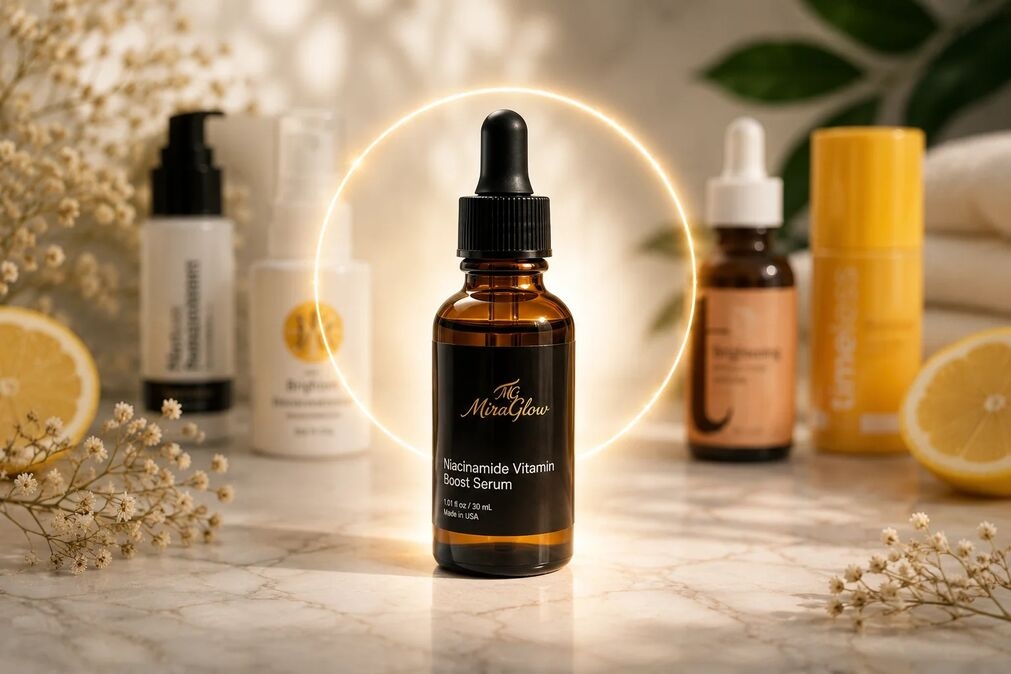
- Topical brightening agents: vitamin C, niacinamide, azelaic acid, and medically regulated agents such as hydroquinone in prescribed use.
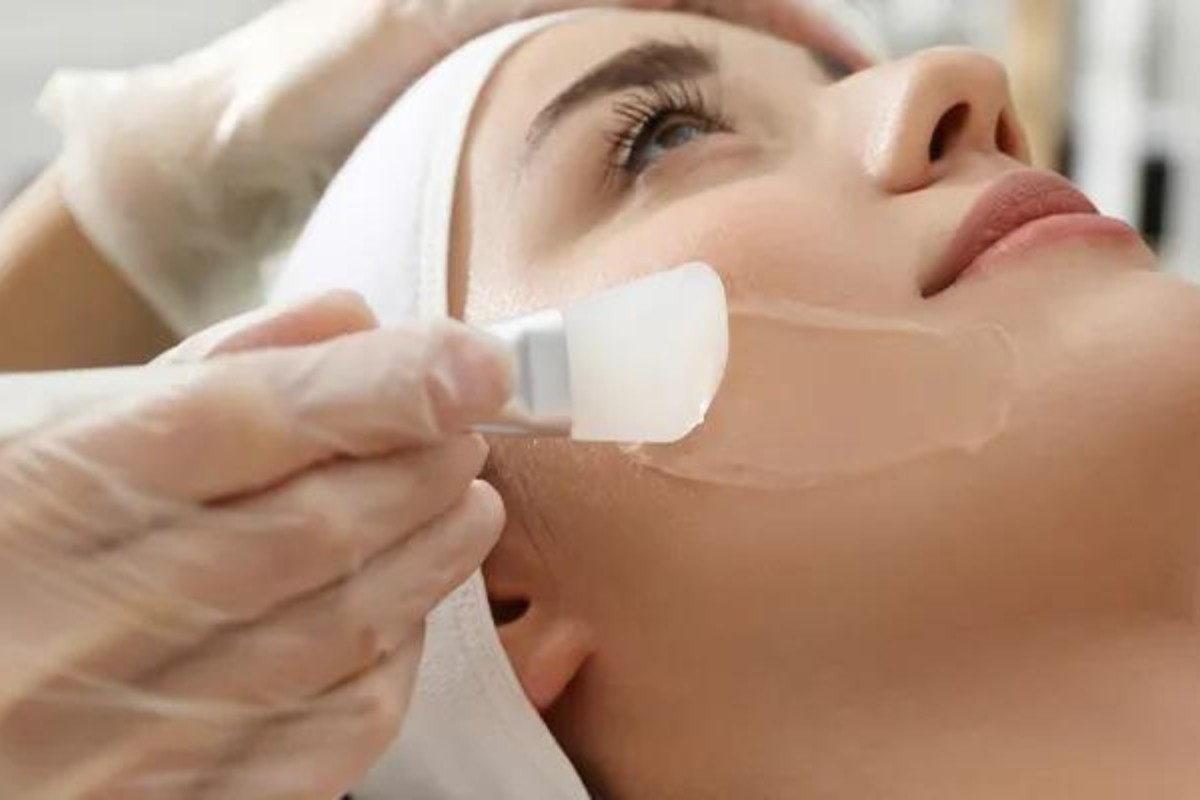
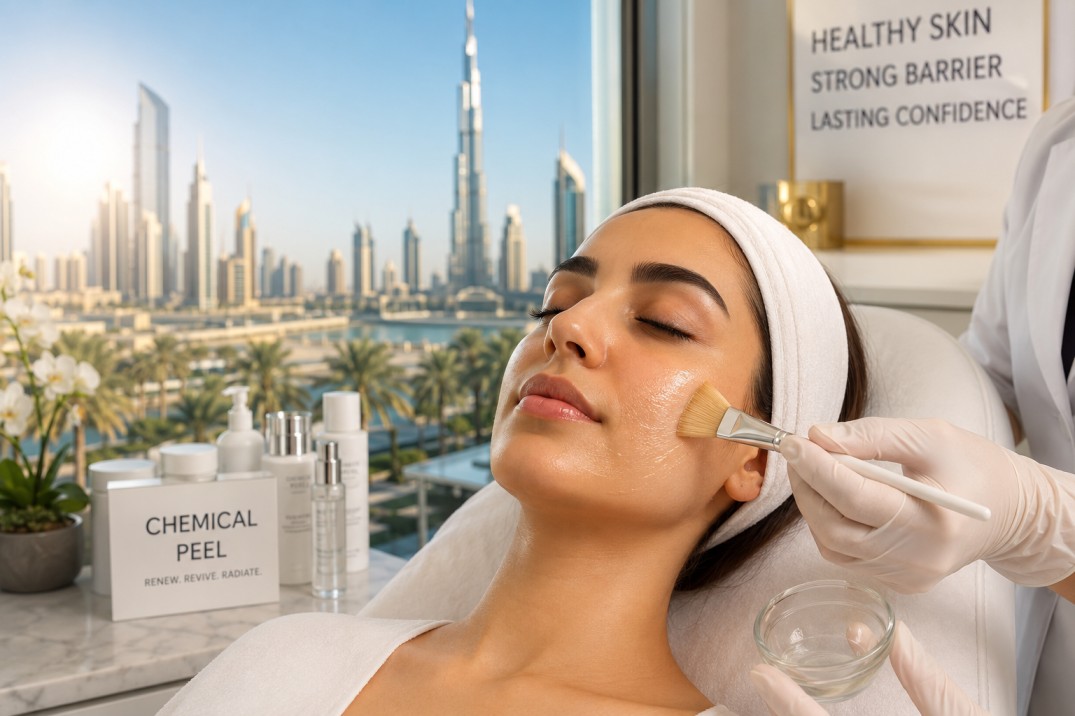
- Procedural options: superficial chemical peels, microdermabrasion, and selected laser or light therapies performed by licensed providers.
How to remove tan from face safely
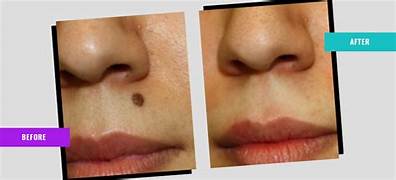
For those asking how to remove tan from face, begin with low-irritant, evidence-backed steps: regular sunscreen, gentle cleansing, and a targeted brightening product. If irritation, persistent hyperpigmentation, or concern about underlying lesions occurs, consult a board-certified dermatologist.
F.A.D.E.R. Treatment Checklist (named framework)
Use the F.A.D.E.R. checklist to design a stepwise tan removal treatment program that balances effectiveness with skin health.
- Frequency: Start with 2–3 gentle exfoliation sessions weekly; monitor tolerance.
- Actives: Choose one primary brightening ingredient (vitamin C or niacinamide) and one exfoliant (low% AHA or salicylic acid).
- Duration: Allow 6–12 weeks to see measurable improvement; pigment turnover takes time.
- Eye & Sensitive-area safety: Avoid strong actives near eyes; use lower concentrations on thin skin.
- Reinforce with sunscreen: Daily broad-spectrum SPF 30+ and physical barriers prevent re-tanning.
Authoritative guidance and safety
For preventive strategies such as sunscreen use and sun protection recommendations, refer to guidance from dermatology authorities like the American Academy of Dermatology. For more detail on sun protection best practices, see their resources here.
Practical treatment plan — step-by-step
Week 0: Assessment and baseline
Check for sunburn or active inflammation; if present, treat inflammation first with barrier-repair creams and avoid exfoliation until calm.
Weeks 1–4: Gentle initiation
Introduce a mild chemical exfoliant (5–8% glycolic or lactic acid) 2–3 times weekly, a daily antioxidant serum (vitamin C), and daily SPF. Monitor for redness or peeling.
Weeks 5–12: Escalation and consolidation
If well tolerated, increase exfoliation frequency slightly or add a depigmenting agent such as niacinamide or azelaic acid. Re-evaluate results at 8–12 weeks and consider procedural options only if topical care does not deliver desired results.
Practical tips (3–5 actionable points)
- Always start with a patch test for new actives to avoid contact reactions.
- Apply broad-spectrum sunscreen every morning and reapply after sweating or swimming; sun protection is the single most important preventive step.
- Layer products from thinnest to thickest: water-based serums (vitamin C), then treatment serums (niacinamide/azelaic acid), then moisturizers and sunscreen.
- Use retinoids cautiously; they speed cell turnover but increase sun sensitivity, so schedule use for evenings and ensure consistent SPF use during the day.
Trade-offs and common mistakes
Common mistakes
- Over-exfoliating: excessive mechanical or chemical exfoliation can damage the barrier and worsen hyperpigmentation.
- Mixing too many active ingredients at once: combining high concentrations of acids, retinoids, and brighteners often causes irritation and setbacks.
- Skipping sunscreen: any treatment without daily UV protection risks re-tanning and negates progress.
Trade-offs to consider
Topical approaches are lower-risk but slower; in-office procedures act faster yet carry higher cost and downtime. Choosing a conservative topical-first path preserves barrier function and reduces risk of post-inflammatory hyperpigmentation, especially on darker skin tones.
Short real-world example
Scenario: A 35-year-old with light-to-moderate facial tan started twice-weekly 8% glycolic acid sessions, daily vitamin C serum, and SPF 50+ daily. After 10 weeks the tan visibly softened, sensitivity was minimal, and maintenance shifted to weekly exfoliation and continued sunscreen use. Consultation with a dermatologist was sought before considering peel options.
Core cluster questions
- What topical ingredients are most effective for fading sun tan?
- How long does it take for tan removal treatment to show results?
- Which professional treatments compare to at-home regimens for tan reduction?
- How to prevent re-tanning after successful treatment?
- Are there special considerations for darker skin tones when treating tan?
FAQ
What is a tan removal treatment and how long does it take to work?
A tan removal treatment is a planned approach combining exfoliation, pigment‑regulating actives, and sun protection. Expect 6–12 weeks for noticeable fading with topical care; procedural options can produce faster results but require professional assessment.
Can natural remedies remove tan quickly?
Some natural remedies (aloe vera, mild fruit enzymes) support skin comfort and gentle exfoliation but rarely outperform regulated actives. Natural does not always mean safer—monitor for allergic reactions.
Are chemical peels or lasers necessary for tan removal?
Not always. Superficial chemical peels can accelerate pigment removal for persistent tan, and certain light-based therapies address deeper pigmentation. Professional assessment determines appropriateness based on skin type and pigment depth.
How to remove tan from face without causing irritation?
Use low-concentration exfoliants, introduce one active at a time, avoid abrasive scrubs, keep the routine simple, and apply broad-spectrum sunscreen daily. If irritation occurs, pause active treatments and use barrier-repair moisturizers until skin calms.
Which are the best tan removal treatments for sensitive skin?
For sensitive skin, prioritize gentle PH-balanced cleansers, low-concentration chemical exfoliants (lactic acid), soothing actives like niacinamide, and consistent sunscreen. Consult a dermatologist for tailored recommendations and to rule out underlying conditions.