Scalp Micropigmentation vs Hair Transplant in Dubai: A Practical Comparison
-

- Published Updated
- 1,374 views
The question of scalp micropigmentation vs hair transplant Dubai is common for anyone exploring hair restoration in the region. This comparison explains how the two treatments differ in results, cost, downtime, and long-term maintenance so a practical decision can be made.
- Scalp micropigmentation (SMP) recreates the look of hair follicles with pigment; it is minimally invasive and works well for hairline density and shaved styles.
- Hair transplant (FUE/FUT) moves living follicles to balding areas and can deliver real hair growth but requires surgery, higher cost, and recovery time.
- Choosing depends on goals (visual density vs regrowth), budget, medical candidacy, and tolerance for maintenance and downtime.
scalp micropigmentation vs hair transplant Dubai: what each treatment does
What is scalp micropigmentation (SMP)?
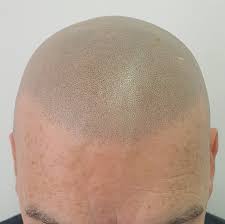
SMP uses micro-needles to deposit pigment into the scalp dermis, creating tiny dots that mimic shaved hair follicles. It does not create real hair; it creates the appearance of increased density or a defined hairline. SMP is suitable for male-pattern baldness, thinning crowns, scar concealment, and adding contrast for low-density hair.
What is a hair transplant?
Hair transplant procedures (commonly FUE or FUT) move healthy hair follicles from a donor site to thinning or bald areas. Transplanted follicles produce real hair that can be cut and styled. Results depend on donor supply, surgeon skill, and individual healing.
Key comparison: cost, downtime, durability
Expect different cost and recovery profiles. SMP usually has lower upfront cost and minimal downtime; touch-ups are required every few years. Hair transplants cost more, involve surgical recovery and variable regrowth timelines, but deliver living hair that can last decades when successful.
Cost and pricing signals
In Dubai, SMP treatment cost in Dubai typically runs lower than a full transplant because SMP uses pigment sessions rather than follicular harvesting and grafting. Pricing varies by clinic and session count; request itemized quotes and view full before-and-after galleries.
Recovery and maintenance
Hair transplant recovery: expect swelling, crusting, and a brief period off work — see hair transplant recovery time Dubai estimates of 7–14 days for basic activity and several months for visible growth. SMP recovery is faster: a few days of redness and a week before normal appearance returns.
SMP vs hair transplant decision checklist (DECIDE model)
- Define goals: visual density (SMP) vs actual hair growth (transplant).
- Evaluate donor availability: adequate donor hair favors transplant.
- Consider downtime: limited downtime favors SMP.
- Inspect realism: view clinic-specific galleries for expected outcomes.
- Discuss risks and longevity: ask about fading, scarring, and need for future sessions.
- Estimate total cost including touch-ups and follow-up care.
Real-world scenario
Example: A 35-year-old professional in Dubai has a receding hairline and limited donor hair. The primary goal is a neat, professional look with minimal clinic downtime. SMP provides a convincing, low-risk visual restoration with same-week return to work. A transplant would add real hair but requires adequate donor supply and 3–6 months to see growth, plus higher cost and recovery time.
Practical tips when comparing clinics and treatments
- Verify practitioner credentials and ask for unedited before-and-after photos of local patients.
- Request a scalp consultation to confirm candidacy — good clinics perform a medical evaluation before quoting.
- Clarify the full cost breakdown: treatment, touch-ups, aftercare, and any medications.
- Check the clinic's infection-control protocols and ask about pigment or graft sourcing.
- Ask about revisions and guarantees in writing so expectations are aligned.
Trade-offs and common mistakes
Trade-offs to weigh
- Immediate appearance vs biological regrowth: SMP gives instant visual density; transplants create hair but take time.
- Cost now vs cost later: SMP touch-ups add long-term cost; a single successful transplant can be more durable but carries higher initial cost.
- Style limitations: SMP best suits closely cropped styles; transplants allow longer hair styling.
Common mistakes
- Choosing a clinic based on price alone, not on documented results.
- Failing to confirm candidacy (e.g., unstable hair loss pattern can affect transplant success).
- Expecting SMP to produce real hair—SMP is cosmetic; it will not grow or change like natural follicles.
Core cluster questions
- How long do SMP results last compared with a hair transplant?
- Who is a better candidate for SMP versus a hair transplant?
- What are realistic recovery timelines for SMP and hair transplant?
- How to compare costs and financing options for hair restoration in Dubai?
- What maintenance and touch-up schedules are common for SMP and transplanted hair?
For clinical standards and guidance on surgical hair restoration, consult the International Society of Hair Restoration Surgery: ISHRS.
How to choose: practical next steps
- Book consultations with at least two experienced clinics and request head-to-head comparisons for the specific goals.
- Bring clear photos and explain preferred hairstyle, budget, and tolerance for downtime.
- Ask for written treatment plans, potential timelines, and follow-up policies.
Final recommendation
Neither option is universally "better" — the right choice depends on whether the priority is immediate visual improvement with minimal downtime (favoring scalp micropigmentation) or long-term biological hair regrowth that can be styled (favoring hair transplant). Use the DECIDE checklist, verify credentials and galleries, and factor in cost, recovery time, and desired appearance before committing.
FAQ
scalp micropigmentation vs hair transplant Dubai: which is better?
It depends on goals. SMP is better for a shaved or closely cropped look and for concealing scars with minimal downtime. Transplants are better when growing—and cutting—real hair is important and adequate donor hair exists.
How long does SMP last before a touch-up is needed?
Most patients require a touch-up every 3–5 years depending on pigment, skin type, sun exposure, and technique.
What is the recovery time after a hair transplant?
Initial recovery usually takes 7–14 days for swelling and crusts to settle; visible growth often appears after 3–6 months and final results at 12–18 months.
Can SMP be combined with a hair transplant?
Yes. SMP can be used to add density appearance or camouflage scars after a transplant. Clinics commonly plan combined approaches when appropriate.
What questions should be asked at a consultation?
Ask about practitioner credentials, complication rates, expected timeline, total costs, follow-up care, and to see full-case galleries of patients with similar hair loss patterns.