Scarless Wound Repair Using Stem Cell-Derived Exosomes: Mechanisms and Evidence
-

- February 23rd, 2026
- 1,242 views

👉 Best IPTV Services 2026 – 10,000+ Channels, 4K Quality – Start Free Trial Now
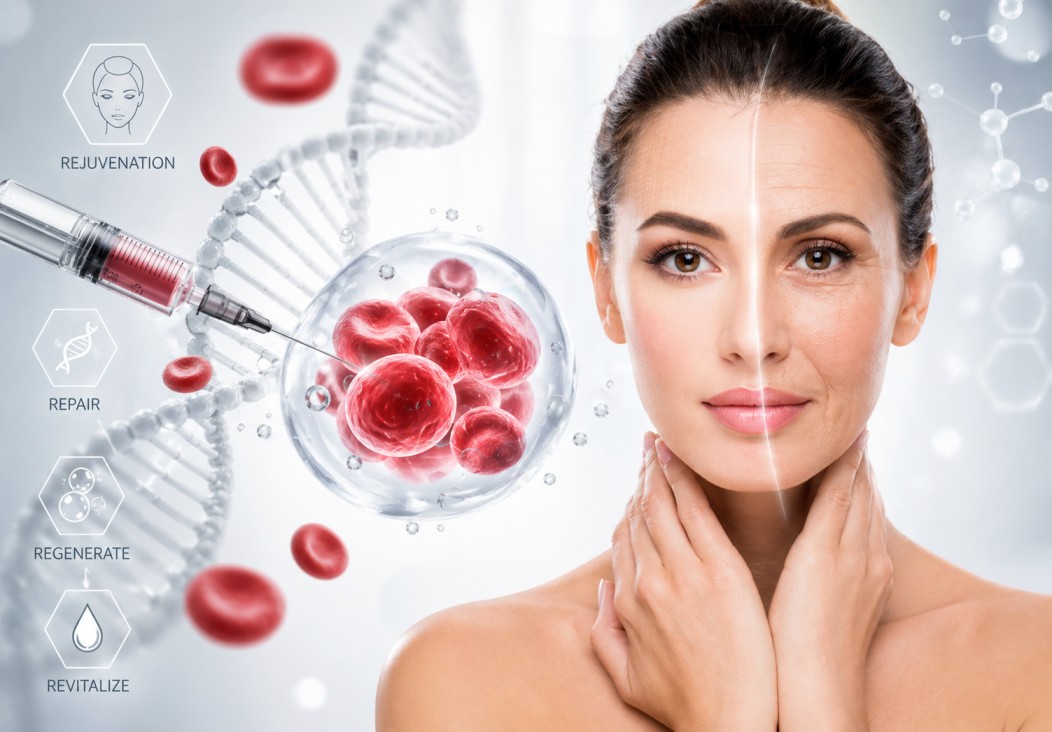
Scarless wound healing is an emerging goal in regenerative medicine, and research increasingly points to stem cell-derived exosomes as a promising agent to reduce fibrosis and improve tissue repair. Exosomes are small extracellular vesicles that carry proteins, lipids, and regulatory RNAs; when derived from stem cells they can modulate inflammation, promote angiogenesis, and influence fibroblast behavior—key processes in scar formation.
- Stem cell-derived exosomes are extracellular vesicles that can influence inflammation, collagen remodeling, and vascular growth.
- Preclinical studies in multiple animal models show reduced scarring and improved tissue architecture after exosome treatment.
- Clinical translation faces challenges in manufacturing, dosing, and regulatory evaluation; early human studies are limited but ongoing.
- Regulatory agencies such as the U.S. Food and Drug Administration (FDA) and research repositories such as the National Institutes of Health (NIH) provide guidance for clinical development.
Scarless wound healing: biological mechanisms with stem cell-derived exosomes
Mechanistically, stem cell-derived exosomes affect several biological pathways associated with scar formation. They carry signaling molecules that can suppress excessive inflammatory responses, shift macrophage polarization toward reparative phenotypes, and downregulate pro-fibrotic signals such as transforming growth factor-beta (TGF-β). By delivering microRNAs, cytokines, and growth factors, exosomes influence fibroblast activity and extracellular matrix deposition, which are central to whether a wound heals with a visible scar or closer to scarless regeneration.
How exosomes influence inflammation
Early wound inflammation sets the stage for repair. Exosomes from mesenchymal stem cells (MSCs) and other progenitor cells can reduce neutrophil infiltration, promote anti-inflammatory macrophage phenotypes (often referred to as M2-like), and lower levels of inflammatory cytokines. This immunomodulatory effect is thought to reduce secondary tissue damage and limit fibrotic signaling cascades.
Collagen remodeling and fibroblast modulation
Scars form when fibroblasts deposit dense, disorganized collagen, particularly type I collagen. Exosome cargo—microRNAs and proteins—can alter fibroblast proliferation, differentiation into myofibroblasts, and matrix metalloproteinase activity to favor more organized collagen remodeling. This can result in tissue architecture that more closely resembles uninjured skin.
Angiogenesis and re-epithelialization
Improved blood vessel formation and faster re-epithelialization reduce hypoxia and persistent inflammation, both drivers of scarring. Exosomes contain pro-angiogenic factors such as VEGF-related signals and can stimulate keratinocyte migration, supporting more complete and functional repair.
Sources, isolation, and characterization of stem cell-derived exosomes
Common stem cell sources
Exosomes used for regenerative aims are commonly derived from mesenchymal stem/stromal cells (MSCs) obtained from bone marrow, adipose tissue, or umbilical cord, and from induced pluripotent stem cell (iPSC)-derived progenitors. Each source yields vesicles with distinct molecular cargo and potency profiles; selection depends on the target tissue, scalability, and safety considerations.
Isolation and quality control
Standardized isolation methods (ultracentrifugation, size-exclusion chromatography, precipitation kits) and characterization techniques (nanoparticle tracking analysis, electron microscopy, proteomic and RNA profiling) are essential for reproducibility. Regulatory-grade production requires defined potency assays, sterility testing, and batch-to-batch consistency to satisfy authorities such as the FDA.
Evidence from preclinical and clinical studies
Animal model results
Multiple animal models—rodent skin wounds, porcine full-thickness wounds, and other organ injury models—report reduced scar size, improved collagen alignment, and better functional outcomes after application of stem cell-derived exosomes. These studies provide mechanistic insight and dose-ranging data that inform human studies.
Early human trials and regulatory considerations
Clinical investigation of exosome-based therapies is at an early stage. Some pilot studies and clinical trials have examined safety and preliminary efficacy for wound healing and tissue repair. Translational work must align with guidance from regulatory agencies, and clinical trial registries (for example, ClinicalTrials.gov) track ongoing studies. For accessible scientific reviews and summaries of exosome biology and therapeutic potential, see the NIH PubMed Central review: NIH PubMed Central review.
Challenges, safety, and future directions
Manufacturing and standardization
Scalable manufacturing that preserves exosome integrity and defined potency remains a major challenge. Regulatory-compliant facilities, validated assays, and robust supply chains are required for clinical adoption.
Safety and immunogenicity
Exosomes are generally less immunogenic than cell therapies, but safety assessment must address contaminating proteins, oncogenic cargo, and unintended biodistribution. Long-term monitoring in clinical studies is necessary to detect rare adverse events.
Path to clinical translation
Future progress depends on standardized biomarkers of scar formation, predictive animal models, randomized controlled trials, and collaboration between academic centers, industry, and regulators. Integration with surgical practices and advanced wound care platforms may accelerate adoption if demonstrated to be safe and effective.
Takeaway
Stem cell-derived exosomes are a scientifically grounded approach to promote functional healing and reduce scarring by modulating inflammation, fibroblast activity, and angiogenesis. While strong preclinical data support their potential for scarless wound healing, clinical translation requires rigorous manufacturing, safety evaluation, and controlled trials guided by regulatory oversight.
FAQ: What is scarless wound healing and are exosomes a realistic path?
Scarless wound healing refers to tissue repair that restores normal architecture with minimal or no visible fibrosis. Exosomes derived from stem cells carry regulatory molecules that can shift repair processes toward regeneration rather than scarring. Current evidence is promising but preliminary; more clinical trials are needed to establish safety and consistent effectiveness.
FAQ: How do stem cell-derived exosomes differ from using stem cells directly?
Exosomes are cell-free products that transmit many of the paracrine signals produced by stem cells without transferring living cells. This reduces risks related to cell engraftment, immune rejection, and tumorigenicity, and can simplify storage and delivery.
FAQ: Are there approved exosome therapies for wound healing?
No regulated, widely approved exosome therapies for wound healing are currently available in major markets. Development is ongoing and subject to regulatory review by agencies such as the FDA and equivalent bodies worldwide.
FAQ: What safety concerns exist with exosome treatments?
Key concerns include product purity, potential for unwanted immune responses, transmission of pathogenic material, and consistency between production batches. Comprehensive preclinical testing and careful clinical monitoring are required.
FAQ: How long until scarless wound healing with exosomes is widely available?
Timelines depend on successful clinical trial outcomes, regulatory approvals, and scalable manufacturing. Widespread clinical availability will likely require several years of coordinated research, trials, and regulatory review.