The Timeless Appeal of Handcrafted Solid Wood Furniture: Why Sheesham Wood Deserves a Place in Every Indian Home
-

- Published Updated
- 3,960 views
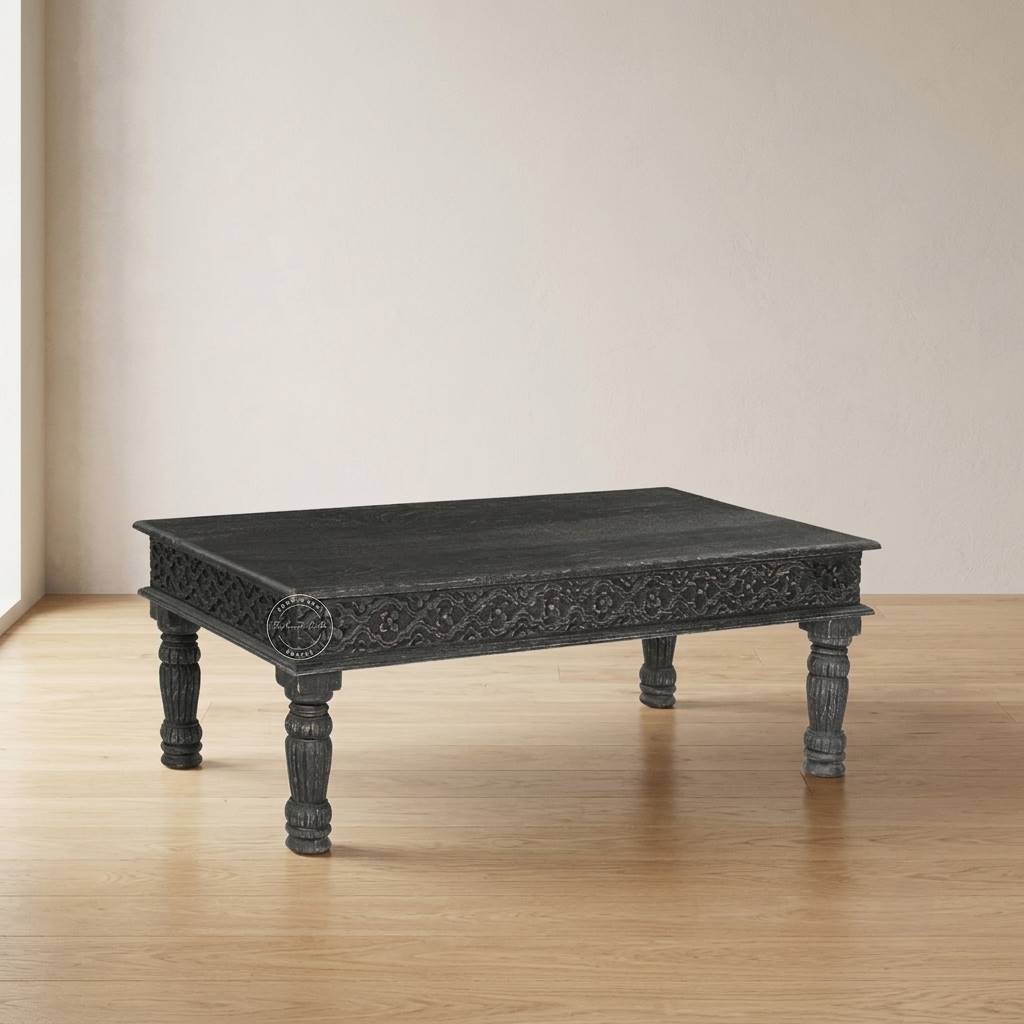
Furniture shopping today often feels like choosing between two extremes — mass-produced pieces that look identical in every home, or expensive "designer" furniture that prioritises trend over durability. Somewhere between these two options sits a category of furniture that has quietly stood the test of time: handcrafted solid wood furniture, and specifically, furniture made from Sheesham wood. Brands like Shekhawati Crafts, a Rajasthan-based furniture maker founded in 1996, have built their entire identity around this one idea — that furniture should be built to last generations, not just seasons.

What Makes Sheesham Wood Different
Sheesham, also known as Indian Rosewood, has been used in Indian furniture-making for centuries, and for good reason. Unlike softer woods that dent, warp, or crack under regular use, Sheesham is dense, naturally resistant to termites and moisture, and develops a richer, deeper grain pattern as it ages. A dining table or bed frame made from Sheesham wood isn't just furniture — it's an investment that can genuinely be passed down. This is part of why solid wood furniture, once seen as old-fashioned compared to engineered wood or MDF alternatives, has seen a strong resurgence among Indian homeowners who are tired of replacing furniture every few years.
Mango wood, another material commonly used alongside Sheesham, offers a slightly different character — a bit more affordable, with a lighter, more rustic grain that suits both modern minimalist interiors and vintage-inspired spaces. Together, these two woods form the backbone of most authentic Indian handcrafted furniture today.
The Craftsmanship Behind Every Piece
What separates handcrafted furniture from factory-line production isn't just the material — it's the process. Skilled artisans in regions like Shekhawati, Rajasthan, have passed down woodworking techniques through generations, techniques that involve hand-carving, traditional joinery, and finishing methods that machines simply can't replicate with the same character. Every knot, grain variation, and subtle imperfection in a handcrafted piece is part of what makes it unique — no two pieces are ever perfectly identical, which is precisely the appeal for buyers who want furniture with personality rather than something that looks like it came off an assembly line.
This is also why furniture from workshops rooted in this tradition tends to age well. A honey-finished center table or a walnut-toned coffee table isn't just chosen for how it looks on day one — it's chosen because the wood will continue to look better as it's used, scratched lightly, and lived with over the years.
Why Living Room Furniture Choices Matter More Than People Think
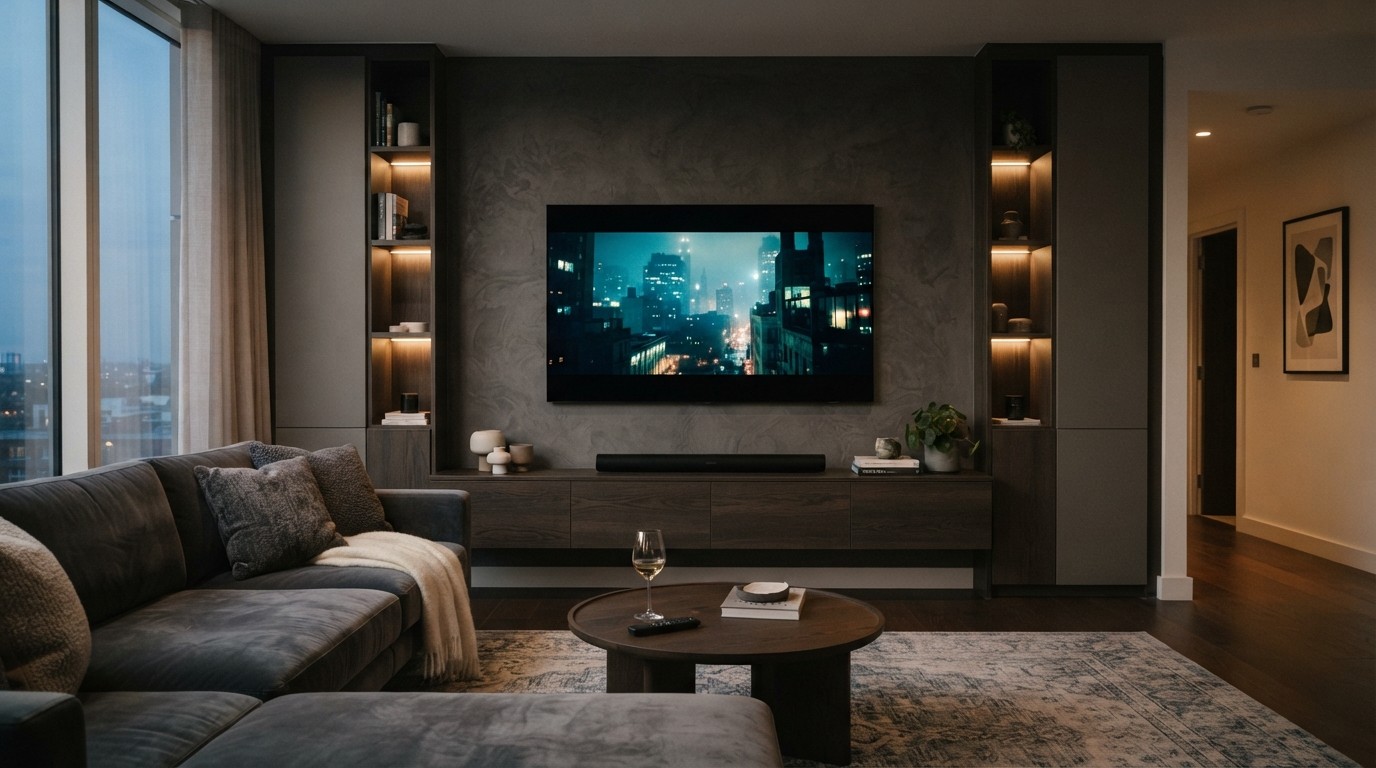
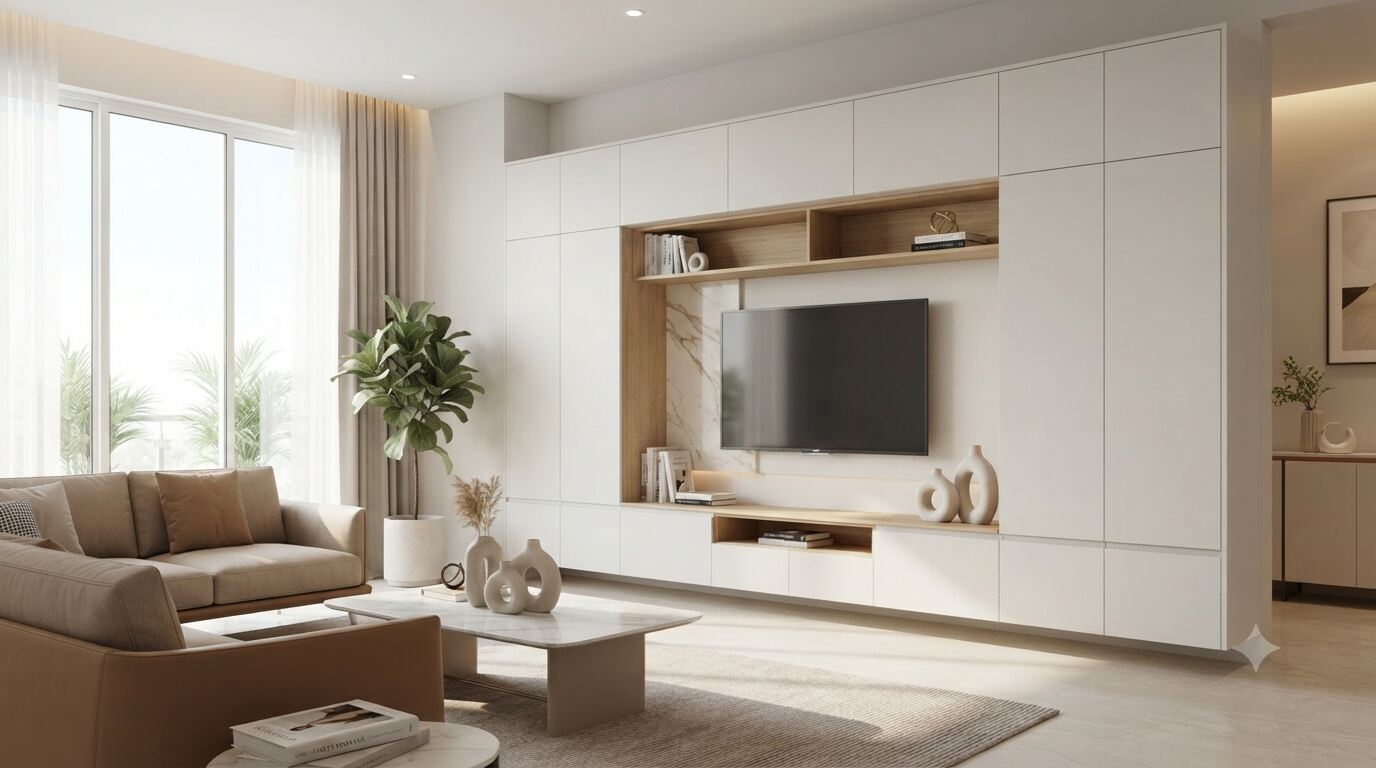
The living room is arguably the most-used space in an Indian home — it's where families gather, guests are received, and daily life happens. This is exactly why pieces like center tables, coffee tables, sofas, and TV cabinets deserve more thought than they often get. A well-chosen center table, for instance, isn't just a surface to rest a cup of chai — it becomes the anchor point of the entire seating arrangement, tying together the sofa, rug, and overall room aesthetic.
Buyers today are also increasingly drawn to functional design — coffee tables with hidden storage, nesting tables that save space in smaller apartments, and foldable or collapsible designs that adapt to how modern Indian homes are actually used. This blend of traditional material with modern functional design is where brands rooted in classic craftsmanship but attuned to contemporary living needs really stand out.

Buying Solid Wood Furniture in India: What to Look For
For anyone considering a switch to solid wood furniture, a few things are worth checking before buying:
First, confirm the wood type explicitly — "solid wood" can sometimes be used loosely, so look for specific mentions of Sheesham, Mango, Teak, or Acacia rather than vague terms. Second, check the finish — natural, honey, walnut, and matte black finishes each suit different interior styles, so it's worth seeing how a finish looks in real lighting rather than just a product photo. Third, consider the maker's history — furniture businesses with decades of hands-on manufacturing experience, physical showrooms, and Pan-India shipping infrastructure tend to have quality control processes that newer, purely online sellers haven't yet built.
A Legacy Built Over Decades
Founded in 1996, Shekhawati Crafts has grown from a local Rajasthan workshop into a Pan-India furniture brand, now offering over 1,000 products through its physical showroom. That kind of scale, built over nearly three decades, reflects something simple: furniture made well doesn't need to reinvent itself every year to stay relevant. It just needs to be made right, the first time.
For homeowners weighing their next furniture purchase — whether it's a single center table or an entire living room set — the choice ultimately comes down to what kind of relationship they want with their furniture. Disposable and replaceable, or built to become part of the home's story for years to come. Solid Sheesham and Mango wood furniture, handcrafted with care, has quietly answered that question for generations of Indian households — and continues to do so today.