Professional Skin Cleansing and Facial Treatments in Riyadh Clinics
-

- February 23rd, 2026
- 1,171 views

Get a free topical map and start building content authority today.
Many people seek skin cleaning at the clinic in Riyadh to address clogged pores, dullness, and uneven texture using professional treatments performed by licensed practitioners. Clinical skin cleansing combines assessment, manual extraction, and targeted procedures such as chemical exfoliation or microdermabrasion to refresh the complexion and reduce visible impurities.
- Skin cleaning at the clinic in Riyadh covers a range of professional facial and cleansing treatments for different skin types.
- Common options include deep cleansing, chemical peels, microdermabrasion, and device-assisted exfoliation.
- Choose a licensed clinic that follows Ministry of Health standards and asks about skin assessment, allergies, and downtime.
Understanding skin cleaning at the clinic in Riyadh
Clinical skin cleaning typically begins with a thorough skin assessment to identify skin type, sensitivity, active conditions (such as acne or rosacea), and any contraindications. Treatments range from gentle professional cleansing for sensitive skin to more intensive procedures that improve texture and clarity. Licensed dermatologists, dermatology-trained clinicians, or certified aestheticians usually perform these services in an accredited clinic setting.
Common procedures and what they do
Deep cleansing and manual extraction
Deep cleansing involves oil-balancing cleansers, steam, and careful manual extraction of comedones (blackheads and whiteheads). This process can provide immediate improvement in pore appearance but may require follow-up maintenance.
Chemical exfoliation (superficial peels)
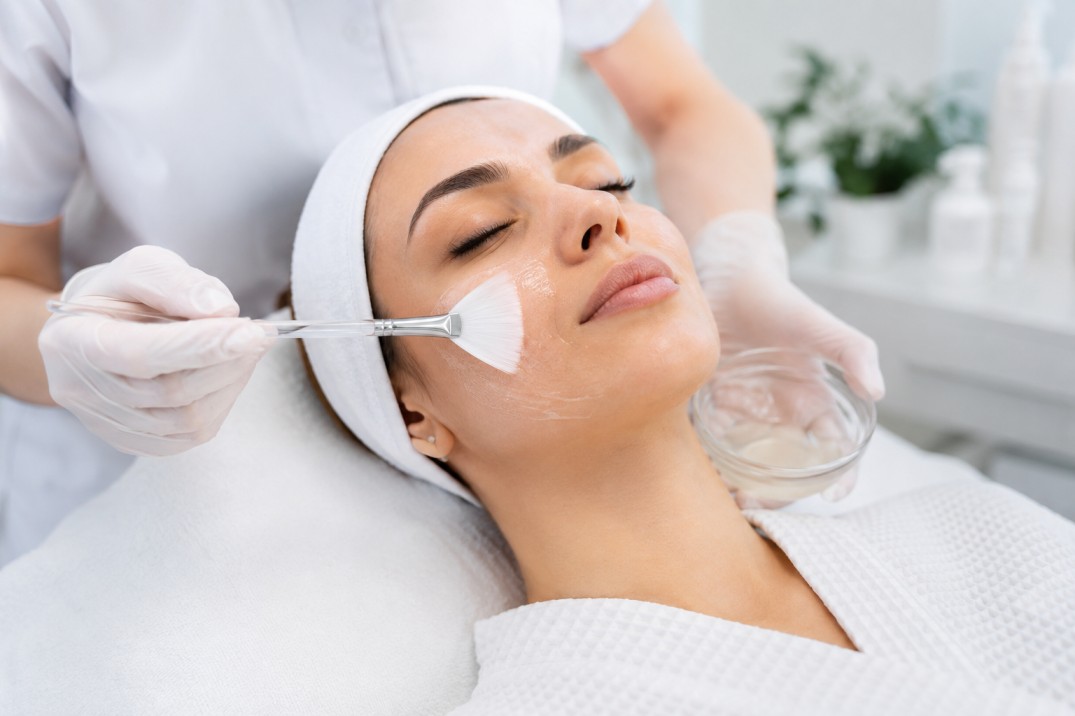
Superficial chemical peels use alpha-hydroxy acids (AHAs) or beta-hydroxy acids (BHAs) to remove dead skin cells and promote cell turnover. These are selected based on skin type and sensitivity, and patch testing may be performed to reduce the risk of irritation.
Microdermabrasion and device-assisted exfoliation
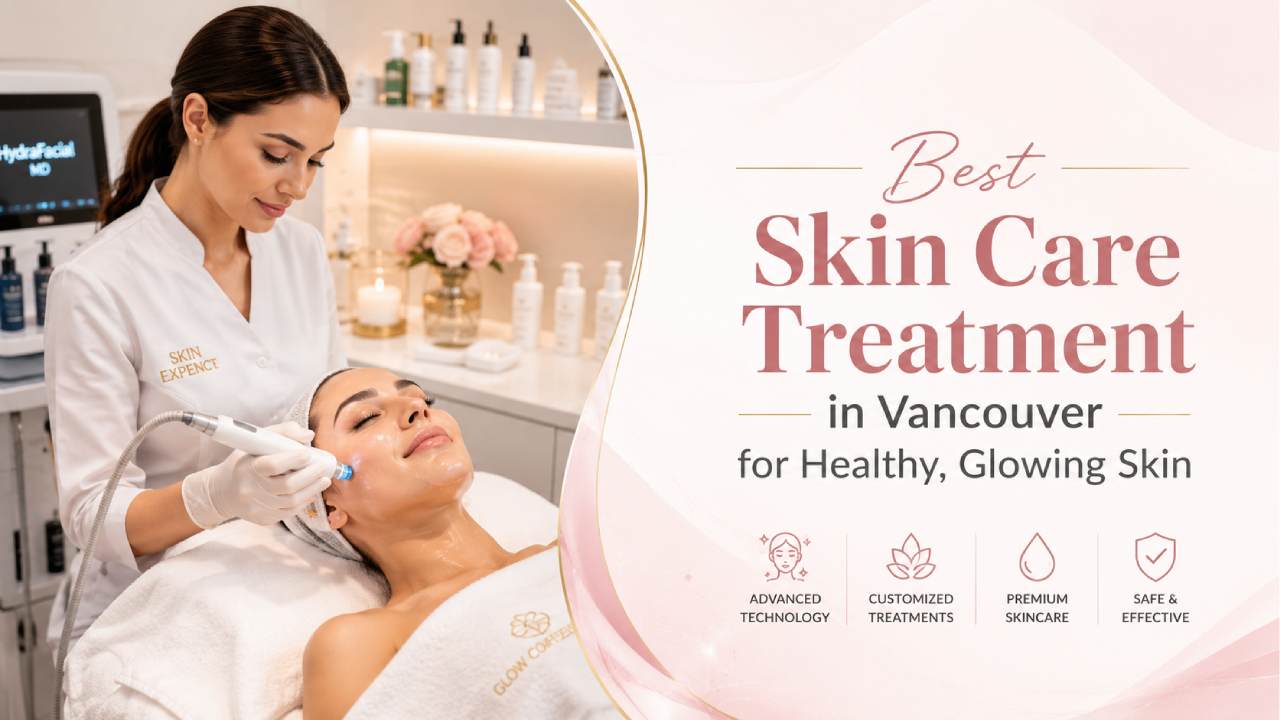
Microdermabrasion mechanically exfoliates the outer layer of skin to improve texture and brightness. Other device-based treatments, such as ultrasonic or hydradermabrasion systems, combine cleansing, exfoliation, and hydration in a single session.
Safety, regulation, and standards
Regulation of clinical skin treatments is important for patient safety. Clinics in Riyadh should comply with Saudi regulatory standards and have licensed practitioners on staff. It is appropriate to verify a clinic’s accreditation and to confirm practitioners’ credentials before booking a procedure. For official guidance and health regulations, consult the national health authority website: Saudi Ministry of Health.
Pre-procedure assessment
A pre-procedure consultation typically covers medical history, current skincare products, allergies, recent sun exposure, and any active skin infections. This assessment helps determine the safest and most effective treatment plan.
Contraindications and precautions
Common contraindications include open wounds, active infections, recent isotretinoin use, and certain photosensitizing medications. Disclosure of medical history and current medications is essential for safe care.
How to choose a clinic in Riyadh
Credentials and hygiene
Select clinics with licensed clinicians and clear hygiene protocols. Ask whether instruments are sterilized, how single-use items are handled, and how waste is managed. Reputation, patient reviews, and visible safety practices contribute to informed choices.
Consultation process and transparency
A reputable clinic provides a consultation that explains expected outcomes, potential side effects, downtime, and a clear cost estimate. Transparent communication about aftercare and follow-up promotes better results.
What to expect during and after treatment
During the appointment
Appointments often start with cleansing, analysis under good lighting (sometimes with magnification), and the selected procedure. Sessions vary from a short 30-minute facial to longer treatments when combined with peels or device work.
Aftercare and recovery
Post-treatment care commonly includes gentle cleansers, moisturizers, and broad-spectrum sun protection. Sensitivity, mild redness, or flaking can occur after exfoliating treatments; clinicians typically provide specific instructions to manage these effects and advise when to seek follow-up care.
Costs and frequency
Costs vary by clinic, treatment type, and session complexity. Treatment frequency depends on the chosen procedure and skin goals; a clinician usually recommends a personalized schedule and maintenance plan. Avoid clinics that guarantee unrealistic results or pressure for unnecessary repeated sessions.
Preparing for a clinic visit
Skin product disclosure
Bring a list of active skincare ingredients currently in use (e.g., retinoids, acids) so clinicians can advise on temporary discontinuation if needed. Avoid intense at-home exfoliation immediately before clinic treatments unless instructed otherwise.
Questions to ask
Ask about practitioner qualifications, expected downtime, sample before-and-after photos for similar skin types, and the clinic’s infection-control measures. Clear answers will help set realistic expectations.
Choosing realistic goals
Professional skin cleaning can improve clarity and texture but results depend on underlying skin conditions, adherence to aftercare, and ongoing protection from sun exposure. A series of treatments combined with appropriate daily skincare typically yields the best long-term outcomes.
Frequently asked questions
How often should someone have skin cleaning at the clinic in Riyadh?
Frequency depends on skin type, the specific procedure, and treatment goals. A clinician can recommend an individualized schedule; common ranges include monthly for maintenance facials and longer intervals for deeper procedures, with adjustments based on response and sensitivity.
Is a consultation required before professional skin cleaning?
Yes. A pre-treatment consultation helps identify skin type, medical history, allergies, and contraindications. Consultations improve safety and optimize treatment selection.
What are typical side effects after clinical cleansing treatments?
Mild redness, temporary sensitivity, and slight flaking are common after exfoliating procedures. More significant reactions are uncommon when treatments are performed by trained professionals following appropriate assessment and patch testing.
How long until results are visible?
Some improvement in brightness and texture can be visible immediately after deep cleansing or microdermabrasion. Longer-term improvements in tone and clarity often appear over several weeks with repeated sessions and consistent skincare.
How to verify a clinic’s reliability?
Check practitioner licenses, clinic accreditation, patient reviews, and adherence to infection-control practices. Requesting information about training and equipment maintenance can also help assess reliability.