Reclaiming Your Night: The Clinical Importance of a Sleep Apnea Assessment
-

- May 13th, 2026
- 7,833 views
Sleep Apnea Evaluation:
Sleep is often the first thing sacrificed in our busy professional lives, but when that sleep is structurally compromised, the consequences extend far beyond simple morning grogginess. Obstructive Sleep Apnea (OSA) is a serious condition where the airway physically collapses during rest, forcing the heart and brain into a state of emergency multiple times per hour. If you find yourself struggling with persistent fatigue, seeking a professional sleep apnea evaluation in Wellesley is the definitive way to move from chronic exhaustion to restorative health.
Identifying the Physiological Indicators of Airway Collapse:
Many people assume that sleep apnea is only a concern for those who snore loudly. While snoring is a primary "red flag," a clinical evaluation looks for a much broader cluster of symptoms that indicate your body is struggling for oxygen.
You might notice a persistent dry mouth upon waking, which often signals chronic mouth breathing due to a blocked nasal or throat passage. Morning headaches are another frequent indicator, caused by the buildup of carbon dioxide in the bloodstream when breathing is shallow. Perhaps the most telling sign is "nocturia," or waking up multiple times to use the bathroom, which is the body’s hormonal response to the heart being under pressure from interrupted breathing.
The Diagnostic Journey: What to Expect During Your Evaluation
A sleep apnea evaluation is a structured, data-driven process designed to uncover the mechanics of your breathing. It is a non-invasive journey that provides your healthcare provider with the evidence needed to create a targeted treatment plan.
1. The Anatomical Airway Screening
The process begins with a focused physical exam. A specialist will examine the "architecture" of your airway, looking for a narrow throat, enlarged tonsils, or a large tongue. They may also measure neck circumference, as extra soft tissue in this area can place mechanical pressure on the windpipe when you lie down to sleep.
2. Objective Sleep Monitoring
The core of the assessment involves monitoring your vitals while you sleep. This is typically done through a sleep study, either in a controlled clinical lab or via a portable home-based kit. These devices record your heart rate, airflow, and blood oxygen saturation. This data allows the physician to see exactly how many times your breathing becomes shallow or stops entirely during a typical night.
Interpreting Your Results: The Apnea-Hypopnea Index
Following the monitoring phase, your specialist will calculate your Apnea-Hypopnea Index (AHI). This number is the cornerstone of your diagnosis, representing the average number of breathing interruptions you experience every hour.
A score under five is generally considered healthy. However, as the numbers climb, so does the severity. A score between five and fifteen is classified as mild, fifteen to thirty as moderate, and anything above thirty is severe. Knowing your specific score is vital because it determines whether your treatment should focus on lifestyle changes, dental appliances, or advanced respiratory support.
The Systemic Impact: Protecting Your Heart and Brain
Undergoing a sleep apnea evaluation is an act of preventative medicine. Every time your breathing stops, your oxygen levels plummet, and your brain sends a surge of adrenaline to wake you up and restart the process.
This repeated "fight or flight" response puts immense strain on your cardiovascular system. Over time, untreated sleep apnea is a major contributor to high blood pressure, irregular heart rhythms, and an increased risk of stroke.
Exploring Modern, Comfortable Solutions
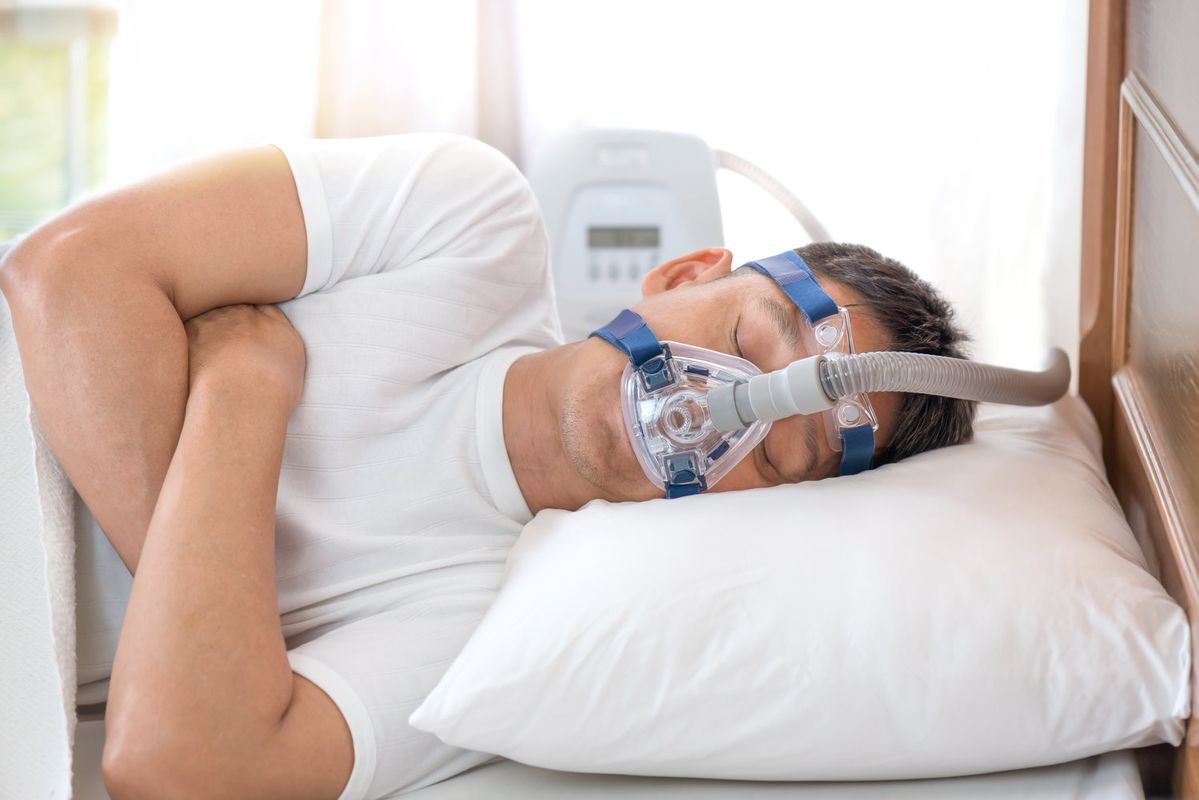
The final stage of a sleep apnea evaluation is the development of a treatment plan that fits your lifestyle. Modern medicine has moved far beyond the loud, bulky machines of the past.
For many, Continuous Positive Airway Pressure (CPAP) remains the gold standard, providing a quiet, gentle stream of air to keep the airway open. Others find success with Oral Appliance Therapy, which involves a custom-fit mouthpiece that repositions the jaw to prevent the tongue from blocking the throat. In some cases, simple positional therapy or minor adjustments to nasal passages can provide the relief needed to ensure a full night of oxygen-rich sleep.
Conclusion
A professional sleep apnea evaluation is the essential bridge between chronic fatigue and a more vibrant, energized life. By utilizing clinical data and expert oversight, you can address the root cause of your sleep issues and protect your long-term wellness. If you suspect your rest is being compromised, don't wait for your symptoms to worsen—take the first step toward a healthier tomorrow by scheduling an assessment today.