Sleep Lean Review: What the Evidence Says and Safety Checklist
-
- Published Updated
- 413 views
Sleep Lean review: a user-focused evaluation and safety checklist
This Sleep Lean review explains what Sleep Lean products claim, how such supplements are typically formulated, and practical steps to evaluate safety and effectiveness. Consumers are frequently asking whether Sleep Lean is a legitimate aid or a marketing trick — this guide breaks down the evidence, risks, and a clear evaluation framework.
- Most claims about sleep supplements and weight loss rely on indirect evidence: improving sleep can support weight control, but supplements alone rarely cause major fat loss.
- Evaluate Sleep Lean by ingredients, dosing, clinical evidence, and safety with medications.
- Use the 3R Evaluation Framework (Research, Regulations, Real-world evidence) and the SAFE Checklist below before trying a new supplement.
How Sleep Lean products are marketed and common claims
Manufacturers typically position Sleep Lean as a sleep-support formula that also helps reduce late-night cravings, supports metabolic health, or boosts fat burning during sleep. Claims combine sleep science with appetite regulation, but the link between any specific supplement and meaningful weight loss is rarely proven in large clinical trials.
How Sleep Lean works: ingredients and mechanisms
Understanding how Sleep Lean works requires looking at common ingredient categories: sleep aids (melatonin, valerian), calming amino acids (GABA, L-theanine), and metabolic or appetite-related botanicals (chromium, green tea extract). If a formula targets sleep and appetite at once, mechanisms may include improved sleep architecture, reduced nighttime eating, and modest metabolic effects from stimulant-free botanicals.
Typical active ingredients
- Melatonin — regulates the sleep-wake cycle.
- L-theanine or GABA — promote relaxation without sedation.
- Chromium or bitter orange — marketed for appetite or metabolic support (evidence varies).
- Herbal extracts (valerian, passionflower) — mixed evidence for sleep improvement.
Evidence and real-world effectiveness
Clinical trials for combined sleep-plus-weight supplements are limited. Improving sleep quality can help regulate hunger hormones (leptin, ghrelin) and insulin sensitivity, which supports weight management as an adjunct to diet and exercise. However, a single supplement like Sleep Lean is unlikely to produce large, sustained weight loss in isolation.
Real-world example
Scenario: A 38-year-old person with short sleep (5–6 hours/night), evening snacking, and no contraindicating medications tries a sleep-support supplement containing melatonin (1 mg), L-theanine (100 mg), and chromium (100 mcg). After improving sleep hygiene, the person reports fewer late-night snacks and a modest 3–4 lb weight reduction over 3 months combined with small diet changes. This outcome reflects multi-factor behavior change, not a single-pill effect.
Safety, regulations, and key warnings
Dietary supplements in many countries are regulated differently than drugs. Safety considerations include interactions with prescription medications, variability in ingredient quality, and inaccurate labeling. Consult trusted resources such as the NIH Office of Dietary Supplements for general guidance when evaluating claims and ingredient safety: NIH Office of Dietary Supplements.
Common safety issues
- Drug interactions (e.g., melatonin with blood thinners or sedatives).
- High-dose botanical concerns (some extracts can affect liver enzymes).
- Unlisted ingredients or inconsistent dosing across batches.
Checklist: 3R Evaluation Framework for Sleep Lean or similar products
A named framework helps make repeatable decisions. Use the 3R Evaluation Framework before trying any supplement:
- Research — Check peer-reviewed studies or clinical trials for each active ingredient and for the finished product if available.
- Regulations — Verify third-party testing (USP, NSF) and transparent labeling. Confirm no banned or prescription-only ingredients.
- Real-world evidence — Look for user reports that include dosing details and side effects. Prefer data from clinical settings over anonymous testimonials.
SAFE Checklist (quick pre-purchase review)
- S — See ingredient list and doses.
- A — Ask a clinician about interactions with current medications.
- F — Find third-party testing or GMP statements.
- E — Expect modest effects and pair with sleep hygiene and diet changes.
Practical tips for deciding whether to try Sleep Lean
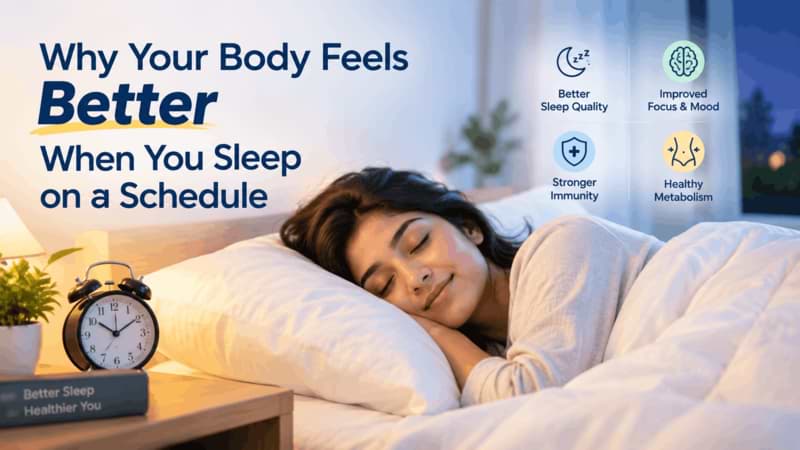
- Improve sleep habits first: consistent schedule, reduced screens, and a cool, dark bedroom. Supplements are adjuncts, not primary solutions.
- Start with the lowest reasonable dose and track sleep and appetite for 2–4 weeks. Use a sleep diary or app to document changes.
- Check for third-party testing or Certificates of Analysis (COA) and confirm ingredient doses match published studies where possible.
- Discuss use with a healthcare provider if on medications, pregnant, breastfeeding, or managing chronic conditions.
Trade-offs and common mistakes
Trade-offs include expecting rapid weight loss versus the realistic benefit of improved sleep quality. Common mistakes:
- Assuming a supplement replaces sleep hygiene or calorie control.
- Ignoring potential interactions with prescription drugs.
- Relying on testimonials and marketing claims without checking ingredient evidence.
Core cluster questions (use for internal linking or follow-up articles)
- Can improving sleep alone cause weight loss?
- What are the most evidence-backed ingredients for sleep support?
- How to check for supplement quality and third-party testing?
- Which prescription medications interact with sleep supplements?
- What behavioral changes give the biggest impact on nighttime eating?
Frequently asked questions
Is this Sleep Lean review reliable and evidence-based?
This review summarizes common ingredient categories, real-world considerations, and regulatory context. It does not replace clinical trials for a specific branded formula. Use the 3R Evaluation Framework and consult healthcare professionals for personalized advice.
Does Sleep Lean review suggest the supplement will cause significant weight loss?
Most credible evidence indicates sleep improvement can support weight management, but Sleep Lean review findings do not show that supplements alone produce major or sustained fat loss without concurrent diet and activity changes.
What are the main Sleep Lean side effects to watch for?
Common issues include daytime drowsiness (especially with higher sedative herb doses), digestive upset, or interactions with medications. Report any adverse reactions to a clinician promptly.
How should Sleep Lean be combined with lifestyle changes?
Pair any sleep-support supplement with consistent bedtimes, reduced evening stimulants (caffeine, alcohol), and strategies to limit late-night eating for the best chance of sustained results.
When should a healthcare provider be consulted?
Ask a clinician before starting a supplement when taking prescription medications, if pregnant or breastfeeding, or if managing chronic conditions such as diabetes, heart disease, or psychiatric disorders.