How to Use a Sleep Tracker for Insomnia: A Practical Guide
-

- Published Updated
- 334 views

A sleep tracker for insomnia can reveal patterns that are hard to see from memory alone and help prioritize behavior changes, clinician conversations, or further testing. Trackers vary in sensors, accuracy, and clinical relevance; understanding what they actually measure is essential before relying on their reports.
- Use a sleep tracker to identify timing, duration, and variability, not to self-diagnose complex sleep disorders.
- Follow a decision checklist (SLEEP DECIDE) to pick a device and set realistic expectations.
- Combine tracker data with sleep diaries and clinical advice for best results.
How a sleep tracker for insomnia helps
What trackers actually measure
Most consumer trackers estimate sleep using movement (actigraphy), heart rate, and sometimes breathing or oxygen metrics. These devices infer sleep stages and total sleep time from patterns in those signals. Clinical standards such as polysomnography (used by sleep clinics) measure brain waves, eye movements, and muscle tone; consumer devices do not replace that testing.
What insights matter for insomnia
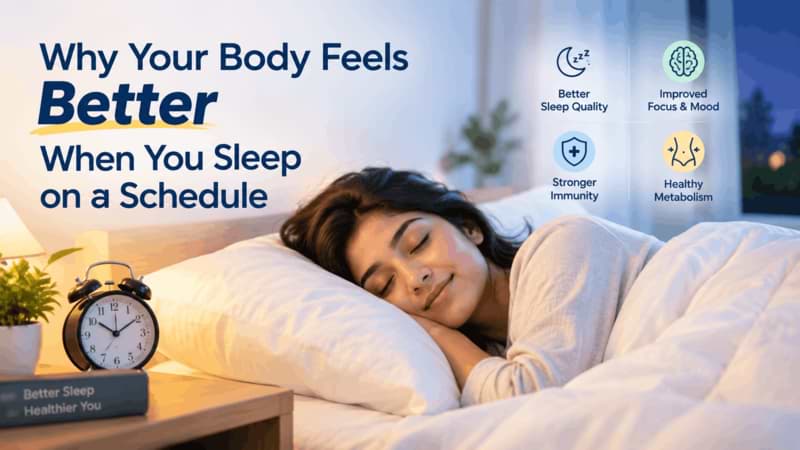
For insomnia, useful outputs include sleep onset latency (how long it takes to fall asleep), wake after sleep onset (nighttime awakenings), total sleep time, and night-to-night variability. Tracking circadian timing—bedtime and wake time consistency—can highlight behaviors that worsen insomnia.
TRACKER CHOICE FRAMEWORK: SLEEP DECIDE
Use a named checklist to choose and use a device: the SLEEP DECIDE framework.
- Sensors: Check which signals are recorded (accelerometer, HR, SpO2).
- Longitudinal data: Ensure the device syncs and stores multi-night trends.
- Export: Confirm the ability to export raw or summary data for clinicians.
- Evidence: Look for validation studies or independent accuracy reports.
- Process compatibility: Match the tracker to daily routines (comfortable to wear, bedside vs wearable).
- Dashboard clarity: Choose clear visualizations for sleep timing and variability.
- Ease of use: Minimal setup helps consistent use.
- Clinical alignment: Prefer devices that report the metrics relevant for insomnia (sleep onset, WASO).
- Integration: Ability to combine with sleep diary or therapy apps.
- Data security: Review privacy and data-sharing policies.
- Expectations: Know limitations—trackers are screening tools, not diagnoses.
Practical steps to start using a sleep tracker
- Pick a tracker using the SLEEP DECIDE framework and ensure comfort for nightly wear.
- Record a baseline: use the tracker plus a simple sleep diary for 2 weeks to capture patterns.
- Sync nightly and review weekly trends rather than obsessing over single nights.
- Note factors in the diary (caffeine, screen time, medication, naps) to correlate with changes.
- Share exported summaries with a clinician if insomnia persists or symptoms worsen.
Real-world example
Example scenario: A person reports chronic difficulty falling asleep and waking early. After two weeks of combined sleep diary and tracker data, the results show short sleep onset latency on some nights but frequent awakenings around 3–4 a.m. Variability in bedtime is large—often more than two hours difference across nights. The pattern suggests that inconsistent sleep schedule and possible circadian misalignment contribute. The tracker helped target treatment: consistent sleep-wake schedule and cognitive behavioral therapy for insomnia (CBT-I) were recommended by the clinician, informed by recorded patterns.
Trade-offs and common mistakes
- Overreliance: Treat tracker output as a screening tool, not a diagnosis. Polysomnography remains the standard for many sleep disorder diagnoses.
- Chasing numbers: Obsessing over nightly variations increases stress and can worsen insomnia.
- Misinterpreting sleep stages: Consumer sleep-stage estimations are approximations and differ from clinical measures.
- Ignoring context: Metrics mean little without behavior notes—use a diary to add context.
Practical tips to get useful data
- Use a simple sleep diary alongside the tracker for at least two weeks to validate patterns.
- Prioritize consistent bedtime and wake time; even partial alignment can reduce variability that fuels insomnia.
- Export weekly summaries and highlight recurring problems (e.g., consistent 30–45 minute wake after sleep onset).
- Limit changes to one variable at a time (bedtime, caffeine, evening screen use) to see what helps.
Evidence and best practices
Consumer devices are useful for monitoring trends and supporting behavioral change, but clinical guidelines from sleep medicine organizations note that validated tests are required for diagnosing conditions like sleep apnea or narcolepsy. For basic education about sleep health and official recommendations, consult public health resources such as the CDC on healthy sleep: CDC: About Sleep.
FAQ
Is a sleep tracker for insomnia useful?
Yes—when used as a behavior-monitoring and trend tool. Trackers help identify timing, variability, and recurring wake periods but do not replace clinical testing when a sleep disorder is suspected.
How accurate are consumer sleep trackers?
Accuracy varies by device and metric. Total sleep time and bedtime/wake time are generally more reliable than detailed sleep stage data. Validation studies differ between models.
Can a tracker diagnose sleep apnea or other disorders?
No. Consumer trackers can indicate possible breathing disturbances if they measure SpO2 or respiratory patterns, but diagnostic confirmation requires clinical testing such as polysomnography.
How long should tracking continue before making changes?
Collect at least two weeks of combined tracker and diary data to identify consistent patterns; use that baseline before changing routines or discussing treatment with a clinician.
What should be shared with a sleep clinician from the tracker?
Share exported weekly summaries, notes from the sleep diary, and clear examples of typical nights and problem nights. Clinicians can interpret data within clinical context and recommend next steps.