Calf Reduction in Riyadh: Safe Surgical and Non-Surgical Options Compared
-

- March 01st, 2026
- 534 views

FREE SEO Topical Map Generator: Find Your Next Content Ideas
Calf reduction in Riyadh is a common request for people seeking slimmer lower legs and improved proportions. This guide compares the main surgical and non-surgical methods, explains safety and recovery, and provides a practical checklist for choosing a qualified clinic.
Detected intent: Commercial Investigation
Top options: selective gastrocnemius muscle reduction (surgical), liposuction for fatty calves, botulinum toxin (Botox) for muscle slimming, and radiofrequency/laser-assisted fat reduction. Key considerations: anatomy, surgeon experience, safety standards, realistic expectations, and recovery time.
Calf reduction in Riyadh: how options differ
Understanding the difference between methods is essential before scheduling a consultation. The main approaches fall into three categories: surgical muscle modification, liposuction-based fat removal, and minimally invasive neuromodulator or energy-based treatments. Related terms include gastrocnemius reduction, soleus modification, calf liposuction, lower-leg contouring, and selective neurectomy.
Common procedures and how they work
Surgical muscle reduction (partial gastrocnemius resection or intramuscular reduction)
Technique: A surgeon reduces bulk by resecting or modifying part of the gastrocnemius muscle or performing a selective neurectomy to weaken overactive muscle fibers. Intended outcome: permanent slimmer calf contour when muscle size is the primary cause of fullness.
Calf liposuction and liposculpture
Technique: Tumescent liposuction or microcannula liposuction removes subcutaneous fat from the lower leg. Best for cases where excess fat, not muscle, causes the appearance of large calves.
Botulinum toxin (muscle slimming) and non-surgical energy treatments
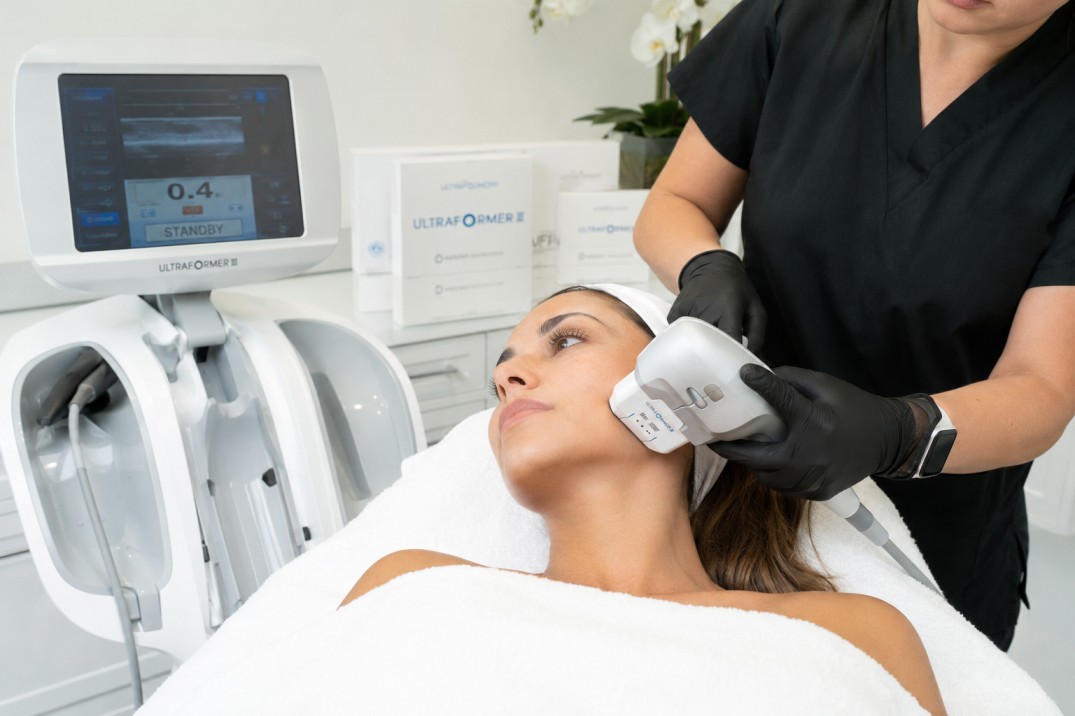
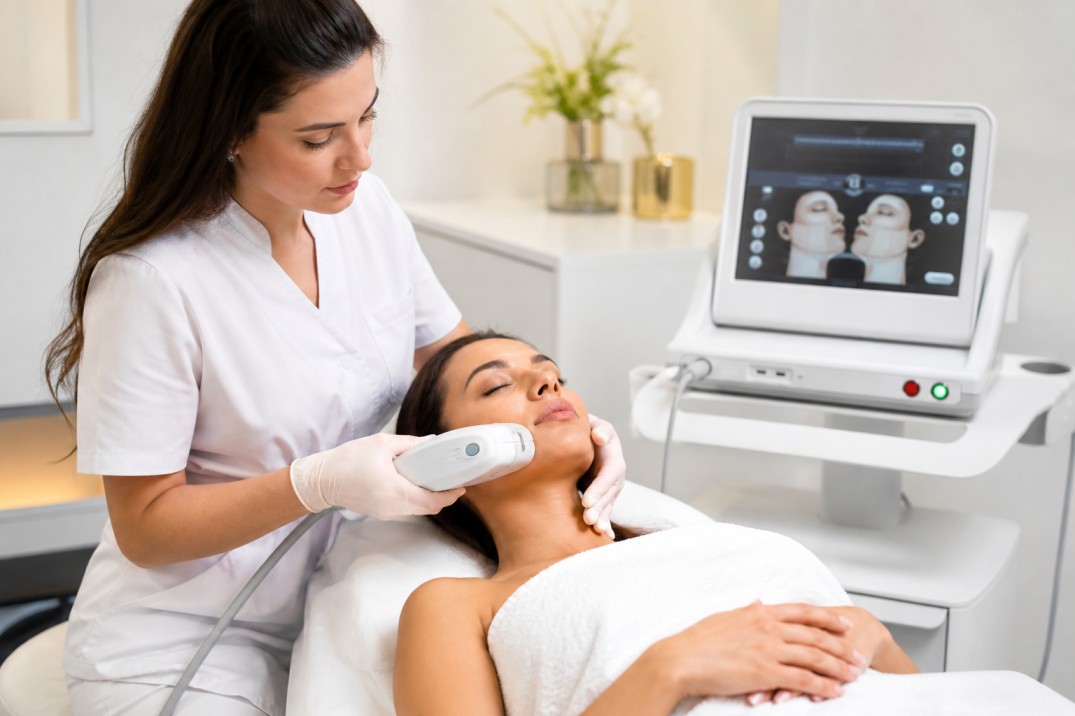
Technique: Repeated injections of botulinum toxin into the gastrocnemius reduce muscle activity and volume over weeks; radiofrequency or high-intensity focused ultrasound reduce fat and tighten skin. Outcomes are typically temporary (Botox several months) and require maintenance.
Choosing between options: a simple decision framework (CALF-SAFE Checklist)
Use this quick framework at consultations to evaluate options and risks.
- Cause: Identify whether muscle, fat, or both are the main contributors.
- Anatomy: Confirm nerve and vascular anatomy with clinical exam or imaging if needed.
- Lead clinician: Verify surgeon qualifications, board certification, and experience with lower-leg contouring.
- Function: Assess gait and calf strength; avoid procedures that risk functional loss.
- -
- Safety: Confirm facility accreditation and perioperative protocols.
- Alternatives: Review non-surgical options and realistic outcomes.
- Follow-up: Plan for recovery, compression, and scar care.
- Expectations: Document desired measurements and photographic goals.
Real-world scenario
Example: A 34-year-old office worker in Riyadh notices wide calves that do not slim with exercise. Clinical assessment shows strong gastrocnemius muscles and a small fat layer. After reviewing the CALF-SAFE Checklist, the specialist recommends discussing muscle-reduction surgery and explains the trade-offs: permanent change but longer recovery and potential temporary weakness versus Botox injections that require repeat treatments but preserve function and have minimal downtime.
Costs, recovery, and typical timelines
Costs vary by method and clinic. Surgical muscle reduction and liposuction typically require general or regional anesthesia, one to two weeks of limited activity, and several weeks for swelling to settle. Non-surgical options (Botox, radiofrequency) have shorter recovery (days) but often require repeat sessions. Riyadh clinic pricing depends on facility level, surgeon experience, and included follow-up care.
Safety standards and professional guidance
Follow recognized safety guidance when selecting a clinic and procedure. Confirm facility accreditation and that the treating surgeon follows international operative safety standards. For general information on professional standards and patient safety in cosmetic procedures, consult an established plastic surgery organization for best-practice summaries: American Society of Plastic Surgeons (ASPS).
Practical tips before booking a procedure
- Seek a specialist with documented lower-leg contouring experience and before/after photos for the same procedure.
- Request a clear breakdown of costs, anesthesia plan, and follow-up schedule including complication management.
- Ask for a gait and strength assessment to reduce the risk of functional impairment after muscle-targeted treatments.
- Consider trial non-surgical options (Botox) when unsure — results are reversible and clarify whether muscle size is the main issue.
Trade-offs and common mistakes
Trade-offs:
- Durability vs downtime: Surgical muscle reduction is longer-lasting but needs more recovery; Botox and energy treatments need maintenance.
- Cosmetic contour vs function: Aggressive muscle resection can alter calf strength or gait if not carefully planned.
- Fat removal vs skin laxity: Removing subcutaneous fat with liposuction can reveal loose skin; combining skin-tightening techniques may be necessary.
Common mistakes to avoid:
- Choosing a clinic based only on price without verifying clinical outcomes and safety records.
- Assuming one method fits all—failure to identify whether muscle or fat is the main factor leads to poor results.
- Neglecting post-procedure rehabilitation and compression, which slows recovery and affects final contour.
Core cluster questions
- How to determine if calf size is due to muscle or fat?
- What are recovery times for calf liposuction versus muscle reduction?
- How long does botulinum toxin last for calf slimming?
- What are the functional risks of gastrocnemius surgery?
- Which specialists perform calf reduction procedures?
Practical preparation and aftercare
Follow these actionable steps to improve outcomes and safety:
- Obtain preoperative photos and a written treatment plan with expected measurements and risks.
- Plan for at least one caregiver for the first 24–48 hours after surgical procedures and arrange work leave.
- Use prescribed compression garments as instructed to control swelling and promote contouring.
- Attend scheduled follow-up visits and report any unexpected pain, numbness, or wound concerns immediately.
Frequently asked questions
Is calf reduction in Riyadh safe?
When performed by a qualified, experienced specialist in an accredited facility with appropriate anesthesia and postoperative care, calf reduction procedures have acceptable safety profiles. Verify facility accreditation, surgeon credentials, and documented outcomes before proceeding.
Which is better for fat calves: liposuction or non-surgical treatments?
Liposuction provides immediate fat removal and more predictable contouring for significant fatty deposits. Non-surgical fat reduction and radiofrequency treatments can reduce mild fat but usually require multiple sessions and have less dramatic results.
How long does Botox for calf slimming last?
Botulinum toxin injections typically reduce muscle volume over several weeks and effects last approximately 3–6 months depending on dose and individual response; repeat sessions are needed to maintain the result.
Will surgery affect calf strength or walking?
Properly performed selective muscle modification seeks to preserve function. Over-aggressive resection or nerve injury can reduce strength or alter gait; thorough preoperative assessment and conservative technique reduce these risks.
How to choose the right clinic in Riyadh?
Check surgeon certification, experience specific to lower-leg procedures, facility accreditation, before/after galleries, and clear written consent documents. Ask for references and confirm the postoperative support plan.