Smart Home Market Potential: Emerging Technologies, Consumer Demand, and Future Growth Opportunities
-

- Published Updated
- 81 views
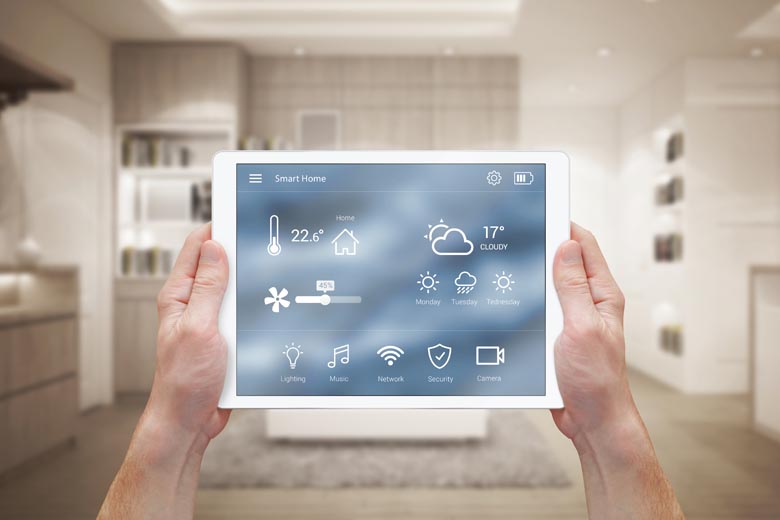
The smart home market is gaining momentum as households increasingly adopt connected technologies to improve convenience, security, energy efficiency, and everyday living. Smart devices that once appeared to be luxury additions are becoming practical solutions for modern homes. From intelligent lighting and automated thermostats to connected appliances and advanced security systems, these technologies are changing how people interact with their living spaces.
The potential of the smart home market extends beyond individual devices. The growing integration of artificial intelligence, voice assistants, wireless connectivity, and automation platforms is creating opportunities for more responsive and interconnected residential environments. Consumers are increasingly interested in systems that simplify daily routines, reduce unnecessary energy consumption, and provide greater control over household activities.
As digital infrastructure improves and connected products become more accessible, manufacturers, technology providers, homebuilders, and service companies have opportunities to expand their presence. Future growth will depend on affordability, compatibility, data protection, and the ability to deliver meaningful benefits to a wider range of households.
Growing Consumer Interest in Connected Living
One of the strongest factors supporting market potential is the growing preference for convenient and personalized living experiences. Consumers are looking for technologies that reduce repetitive tasks and allow them to manage household functions through smartphones, voice commands, or automated schedules.
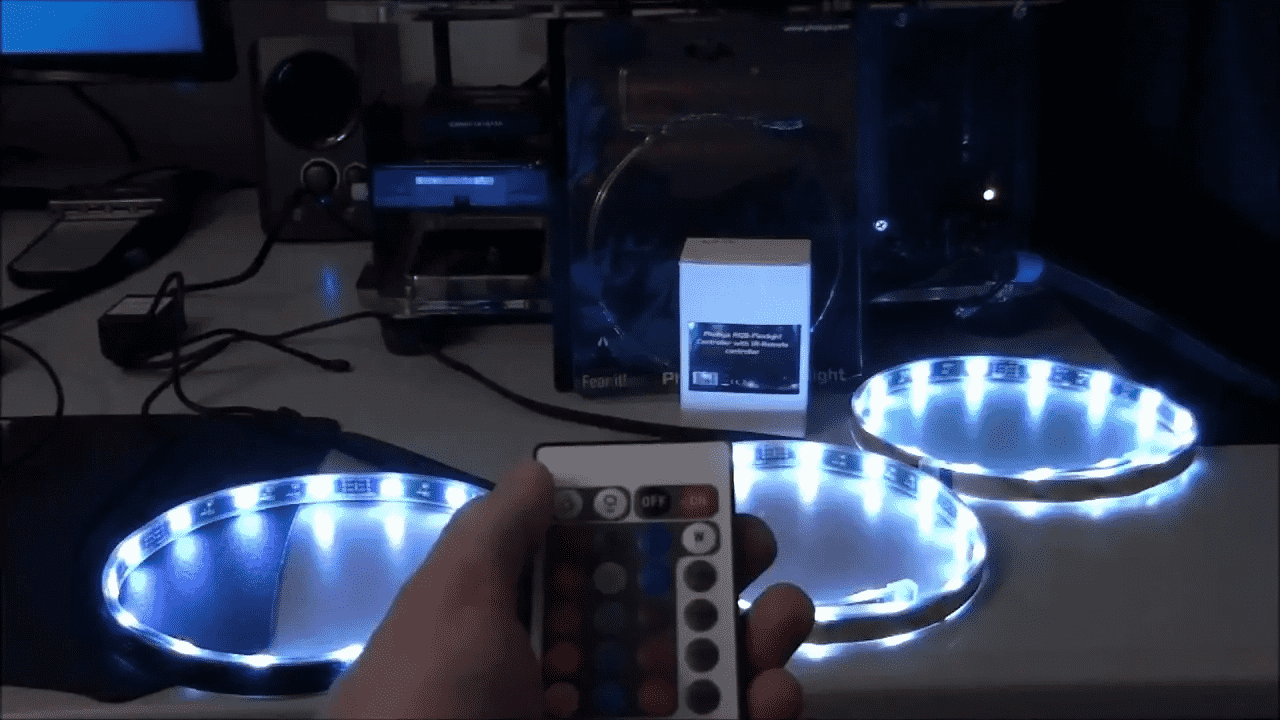
Smart lighting systems can adjust brightness according to user preferences, while connected thermostats can modify indoor temperatures based on occupancy and programmed settings. Smart plugs and appliances provide additional control over electricity usage and operating schedules.
These applications appeal to different consumer groups, including working professionals, families, older adults, and technology-oriented homeowners. As product interfaces become easier to understand, adoption may extend beyond consumers who have extensive technical knowledge.
The increasing availability of affordable entry-level devices also creates opportunities for gradual adoption. Rather than investing in a complete home automation system, consumers can begin with a smart speaker, security camera, or lighting product and expand their setup over time.
Artificial Intelligence Expands Market Opportunities
Artificial intelligence is creating new possibilities for intelligent home management. Traditional automation systems generally follow predefined instructions, whereas AI-enabled solutions can use available information and usage patterns to provide more adaptive experiences.
For example, intelligent systems may learn preferred lighting schedules, recognize recurring household routines, or recommend adjustments that improve comfort and efficiency. Connected security products can also use advanced detection capabilities to distinguish between different types of movement, potentially reducing unnecessary alerts.
The integration of AI with voice assistants offers further potential. Homeowners may increasingly manage several devices through conversational commands instead of navigating separate applications. This can make connected environments more accessible and reduce the complexity associated with managing multiple technologies.
However, AI adoption must deliver practical value. Consumers are unlikely to maintain expensive subscriptions or purchase advanced devices simply because they include intelligent features. Manufacturers that demonstrate reliable performance, transparent data practices, and measurable convenience will be better positioned to convert interest into sustained demand.
Energy Efficiency Creates Additional Growth Potential
Energy management represents an important opportunity for the smart home market. Rising interest in responsible electricity consumption encourages households to explore technologies that help monitor usage and manage appliances more effectively.
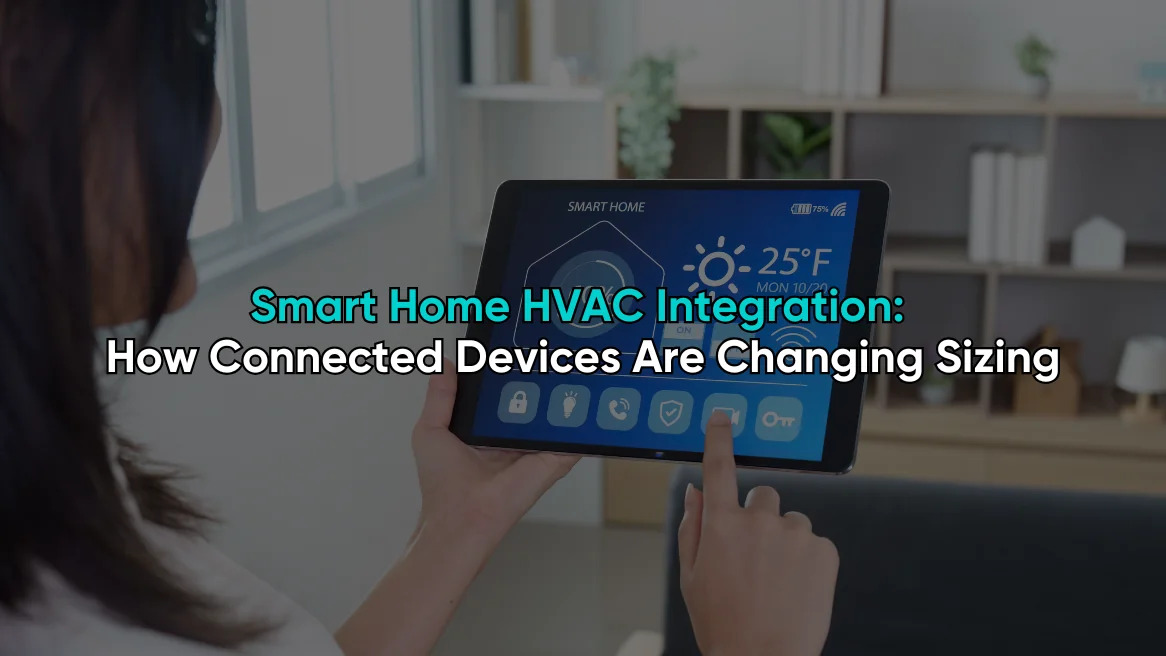
Smart thermostats, connected lighting, energy-monitoring plugs, and automated power controls can help consumers identify unnecessary consumption and adjust household routines. When combined with suitable heating, cooling, or renewable energy systems, these technologies may support more coordinated energy management.
Smart homes can also complement electric vehicle charging and residential battery storage. Connected systems may coordinate selected household activities with available electricity or user-defined schedules, depending on the capabilities of the equipment and the local energy infrastructure.
The benefits vary according to household conditions, device quality, climate, electricity tariffs, and consumer behavior. Nevertheless, the ability to combine comfort with better resource management creates a compelling value proposition.
Manufacturers can strengthen this opportunity by providing clear energy reports, simple controls, and understandable recommendations. Demonstrating potential savings without exaggerating results will be essential to building consumer confidence.
Security and Remote Monitoring Drive Adoption
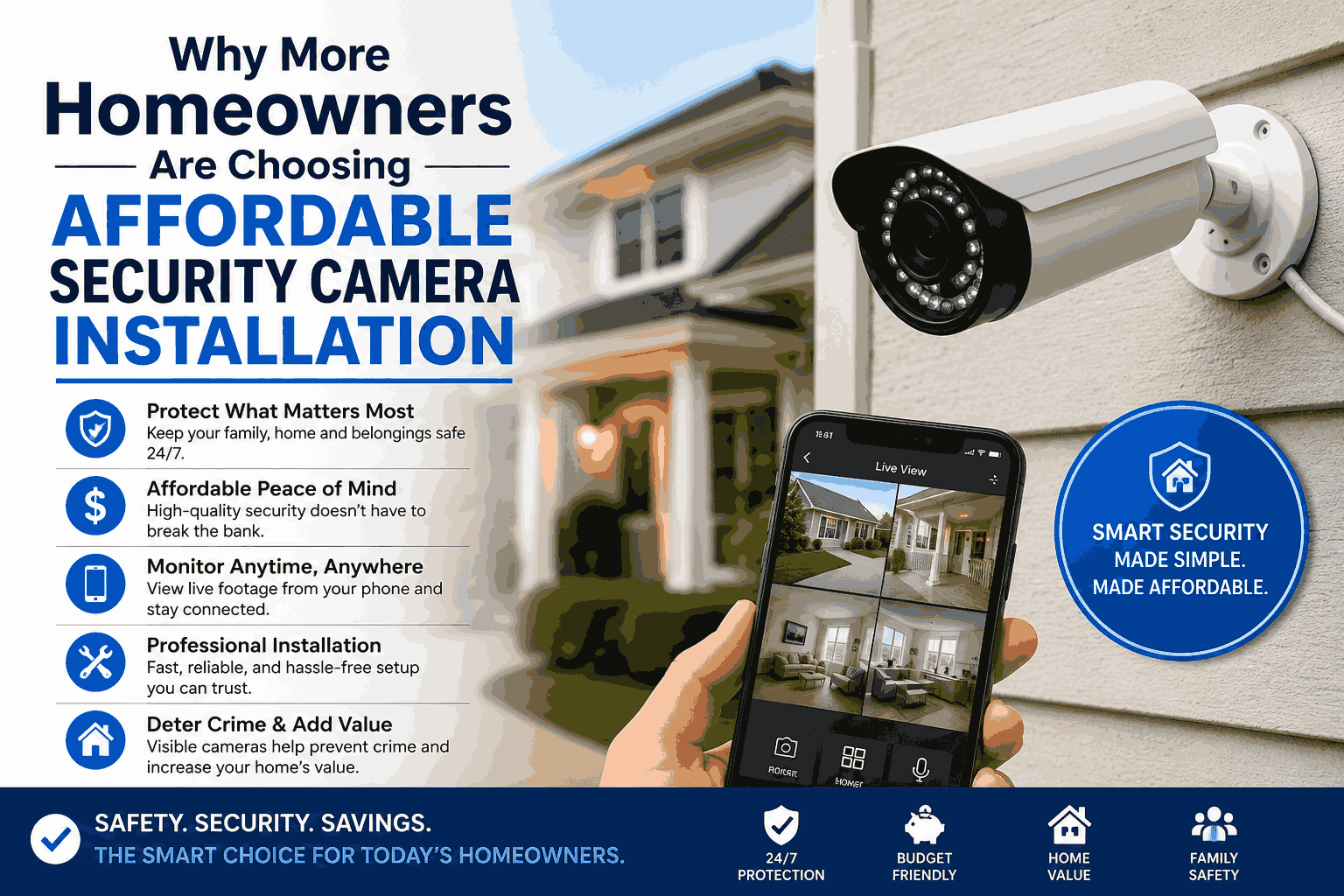
Residential security remains another important area of opportunity. Smart locks, video doorbells, motion sensors, surveillance cameras, and connected alarm systems allow homeowners to monitor selected aspects of their properties remotely.
These technologies can provide notifications when unexpected activity occurs, support visitor identification, and enable remote access management. For households with frequent deliveries, changing schedules, or multiple occupants, such capabilities can offer greater flexibility.
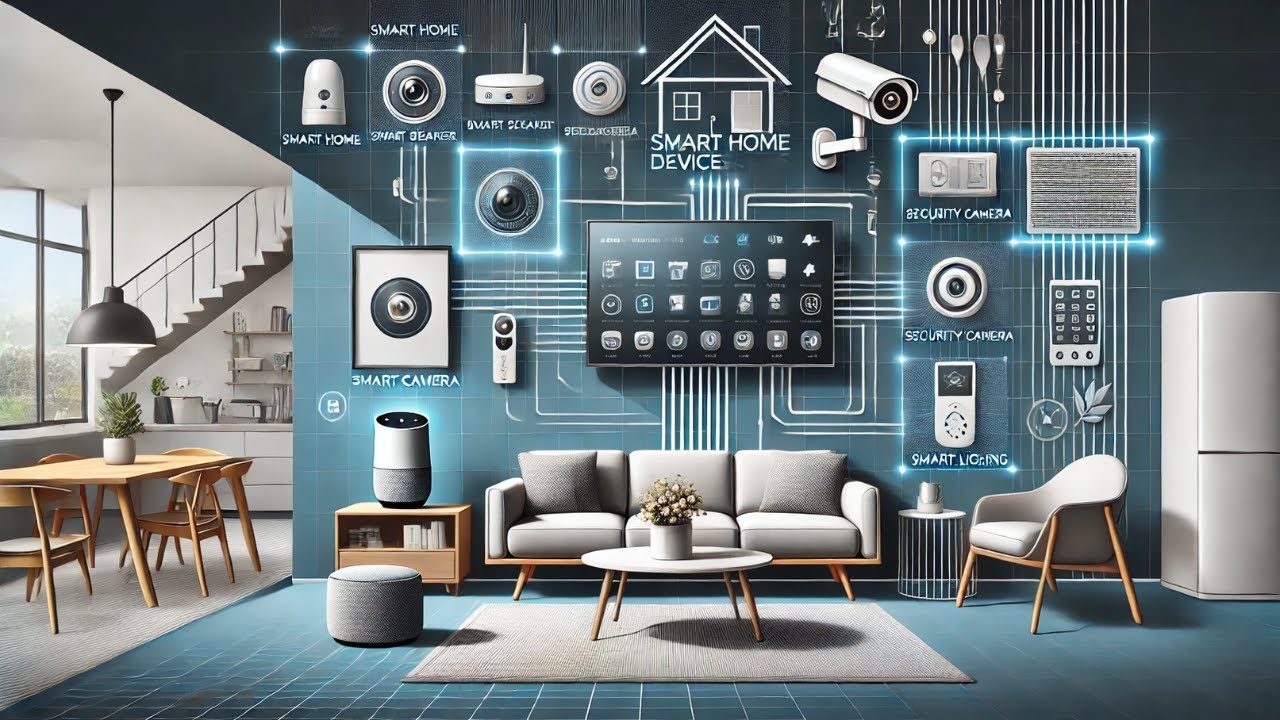
The market potential also includes integrated security packages that connect cameras, locks, sensors, and lighting through a unified platform. Coordinated systems may allow lights to activate when a sensor detects activity or notify homeowners when a door is left unlocked.
At the same time, security products must protect the digital environment they are intended to safeguard. Strong authentication, timely software updates, encrypted communications, and clearly communicated privacy settings are essential. Companies that treat cybersecurity as a core product feature can build stronger relationships with customers and differentiate themselves in a competitive market.
Affordable Products and Emerging Consumer Segments
Although demand for smart home technology is expanding, purchase decisions remain influenced by product prices, installation costs, and perceived usefulness. The potential to reach price-conscious households is therefore significant.
Affordable smart bulbs, plugs, sensors, and entry-level cameras allow consumers to experience connected living without making substantial initial investments. Simplified installation and straightforward mobile applications can further reduce barriers to adoption.
Opportunities also exist in rental housing, apartments, residential communities, and newly constructed homes. Property developers may integrate connected access systems, energy controls, and selected automation features into residential projects. Landlords can explore devices that improve property management, provided that tenant privacy and access rights are respected.
In addition, products designed for accessibility may serve people who benefit from voice-controlled lighting, automated reminders, remote door management, or simplified appliance operation.
Companies that develop flexible products for different housing types and budgets can reach broader customer groups. Offering modular solutions, clear warranties, and dependable customer support may encourage adoption among consumers who remain cautious about connected technology.
Challenges That Could Limit Market Potential
Despite its opportunities, the smart home market faces several challenges. Device compatibility remains a concern because consumers may own products from different manufacturers that do not work seamlessly together. Inconsistent connectivity and complicated setup procedures can undermine the convenience these products promise.
Privacy is another significant issue. Connected devices may collect information about household routines, device usage, or user interactions. Consumers need clear explanations of what information is collected, how it is stored, and whether it is shared with third parties.
Product costs can also restrict adoption, particularly when advanced systems require professional installation, recurring subscriptions, or additional hardware. Furthermore, unreliable internet access and limited technical support may reduce the usefulness of connected devices in some locations.
Manufacturers can address these barriers through greater interoperability, transparent pricing, stronger security practices, and longer software-support commitments. Designing products that continue to provide essential functions during connectivity interruptions can also improve reliability.
Future Outlook for Smart Home Market Potential
The future potential of the smart home market will increasingly depend on how effectively companies combine automation, artificial intelligence, energy management, and residential security into accessible solutions. Standalone devices will remain relevant, but integrated experiences may become more attractive as consumers seek simpler ways to control multiple household functions.
Partnerships among device manufacturers, telecommunications providers, software developers, energy companies, and residential builders could create additional opportunities. Shared standards and improved interoperability may reduce fragmentation and make connected products easier to install and maintain.
Subscription services, remote monitoring, predictive maintenance, and personalized automation may provide new revenue opportunities. However, long-term success will require companies to balance commercial objectives with affordability, reliability, privacy, and customer trust.
Overall, the smart home market has considerable potential as connected technologies become more practical and household expectations evolve. Businesses that focus on solving everyday problems, improving compatibility, protecting consumer information, and demonstrating clear value are well positioned to explore emerging opportunities. Continued innovation, supported by dependable infrastructure and customer-focused product development, will help determine how broadly smart living technologies become integrated into residential life.