Social Media Marketing in Miami: Why It Matters for Local Businesses
-

- Published Updated
- 1,767 views
Social media marketing in Miami plays a central role for businesses, nonprofits, and public agencies looking to reach diverse audiences across tourism, Hispanic markets, and local communities. Effective online engagement combines local knowledge, platform tactics, and measurement to support brand awareness, foot traffic, and customer retention.
- Social media connects Miami businesses to tourists, residents, and multilingual communities.
- Local targeting, content tailored for platforms, and analytics improve return on investment.
- Compliance with advertising and privacy rules (e.g., Federal Trade Commission guidance) is important.
- Investment in community-focused content and influencer partnerships can boost visibility.
Why social media marketing in Miami matters
Miami is a multicultural urban center with strong tourism and hospitality sectors, a vibrant small-business ecosystem, and distinct neighborhood markets across Miami-Dade County. Social media marketing enables precise audience targeting, rapid content distribution, and measurable outcomes in this fast-moving environment. Platforms such as Facebook, Instagram, TikTok, and YouTube help businesses promote events, seasonal offers, and culturally relevant campaigns that resonate with both visitors and residents.
Key benefits for local businesses
Targeted reach and audience segmentation
Social platforms provide tools for demographic, geographic, and interest-based targeting. For Miami-based organizations, this supports outreach to tourists during peak seasons, to specific neighborhoods, or to language communities (e.g., Spanish- and Haitian Creole-speaking audiences). Combining social targeting with local SEO and location-based advertising increases relevance for searches and maps.
Cost-effective visibility and customer acquisition
Paid social campaigns can scale from small budgets to larger investments, making them accessible for small and mid-sized firms. Organic strategies—regular posts, community engagement, and user-generated content—also build credibility with lower upfront cost. Measured properly with analytics, campaigns can be optimized for conversions such as reservations, ticket sales, or newsletter sign-ups.
Real-time engagement and reputation management
Social media enables instant responses to customer inquiries, rapid handling of feedback, and public demonstration of customer service. In a service-oriented market like Miami, timely engagement can influence reviews, repeat visits, and local word-of-mouth.
Local data and audience insights
Using demographic and tourism data
Understanding local demographics helps tailor messaging and creative assets. Public sources such as the U.S. Census Bureau provide population, language, and economic indicators for Miami-Dade County, which can guide content planning and ad targeting. For official demographic statistics, consult the U.S. Census Bureau's QuickFacts for Miami-Dade County: U.S. Census Bureau — Miami-Dade County QuickFacts.
Seasonality and tourism patterns
Tourism calendars, local festival schedules, and cruise/airport traffic influence campaign timing. Aligning promotions with peak visitor times and major events increases campaign efficiency and relevance.
Strategies and tactics that work in Miami
Localized content and multilingual messaging
Create content that reflects Miami’s neighborhoods, cultural events, and languages. Multilingual captions, culturally relevant imagery, and local influencers help reach diverse audiences across Greater Miami and the Beaches.
Influencer and partnership marketing
Collaborations with local creators, hospitality partners, and tourism organizations amplify reach. Clear disclosure practices and adherence to advertising guidelines from regulators such as the Federal Trade Commission (FTC) are necessary when running influencer promotions.
Visual storytelling and short-form video
Short videos, behind-the-scenes clips, and visually driven posts perform well for lifestyle and hospitality brands. Platforms that prioritize short-form video can increase discoverability among tourists and younger residents.
Measurement and optimization
Key performance indicators
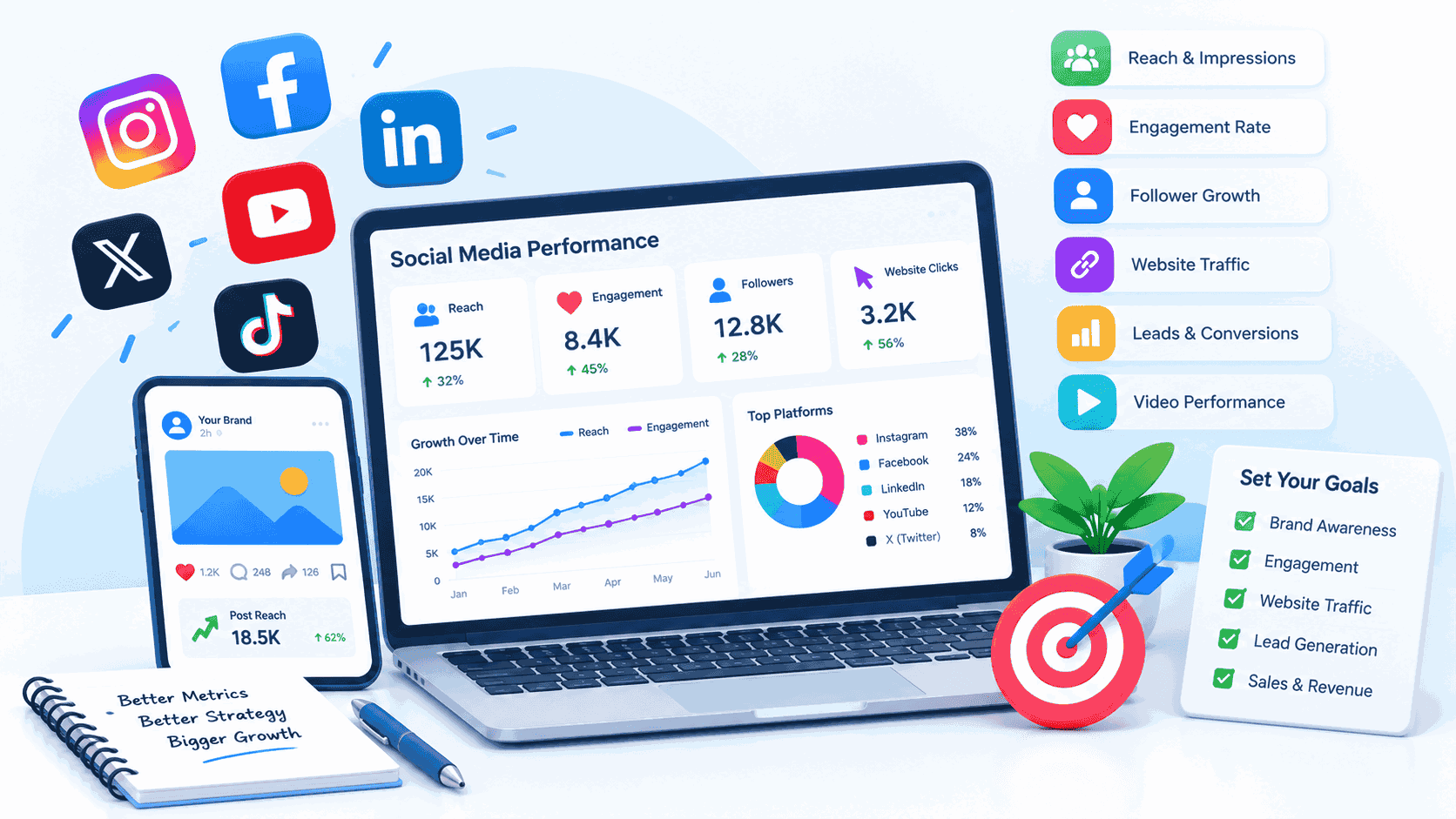
Track metrics that align with business goals: impressions and reach for awareness, click-through rate and landing page conversions for acquisition, and engagement or repeat interactions for loyalty. Use A/B testing and conversion tracking to compare creative elements and targeting approaches.
Attribution and cross-channel reporting
Combine social analytics with website and point-of-sale data to understand how social interactions translate into in-store visits or online sales. Attribution models and tools can clarify which campaigns drive the most value.
Regulatory and ethical considerations
Privacy and advertising rules
Comply with data protection and advertising regulations, provide transparent disclosures for sponsored content, and follow platform-specific policies. The FTC provides guidance on endorsements and native advertising that apply to social campaigns.
Accessibility and inclusivity
Design posts with accessibility in mind: add captions to videos, include image descriptions, and ensure readable contrasts. Inclusive content broadens reach and improves user experience across diverse Miami communities.
Implementation checklist
- Define clear business goals and audience segments.
- Develop a content calendar aligned with local events and tourism cycles.
- Allocate budget between organic efforts, paid campaigns, and influencer partnerships.
- Set up analytics and conversion tracking across platforms and web properties.
- Review legal guidelines and ensure transparent disclosures and privacy practices.
Frequently asked questions
How can small businesses use social media marketing in Miami effectively?
Small businesses should focus on localized content, community engagement, and targeted ads with clear calls to action. Prioritize platforms where the target audience spends time, use bilingual messaging if relevant, and measure results to refine campaigns.
Which social platforms are best for reaching Miami tourists and residents?
Platform choice depends on objectives: visually driven platforms and short-form video apps work well for tourism and hospitality, while community groups and search-integrated platforms help local discovery. Testing across a few platforms reveals where engagement is strongest.
What budget is needed for effective social media marketing in Miami?
Budgets vary by industry and goals. Small organic efforts can begin with minimal spend, while paid campaigns and influencer partnerships require larger investments. Start with clear KPIs and scale budgets based on measured performance.
How soon can results be expected from social media marketing?
Some outcomes, like increased engagement, can appear within days; customer acquisition and measurable revenue impacts may take weeks to months depending on targeting, creative quality, and seasonal factors.
Are there privacy or advertising rules to consider for Miami campaigns?
Yes. Follow federal guidance on endorsements and disclosures (FTC), platform advertising policies, and applicable privacy laws for data collection and targeting. Transparent practices build trust and reduce regulatory risk.