Soft Skills That Drive Career Success in 2024: Essential Competencies Employers Value
-

- March 16th, 2026
- 1,331 views
Soft skills shape how people communicate, solve problems, and adapt to change. In 2024, employers continue to list soft skills among the most important attributes for hiring, promotion, and effective teamwork. This article explains why soft skills drive career success in 2024, which competencies matter most, and practical ways to develop and demonstrate them.
- Soft skills—such as communication, emotional intelligence, adaptability, and collaboration—are critical to career advancement across industries.
- Employers evaluate soft skills through interviews, performance reviews, and work samples; 360 feedback and microcredentials can provide evidence of growth.
- Practical development strategies include deliberate practice, mentorship, cross-functional projects, and structured reflection.
Why soft skills matter in 2024
Market shifts, hybrid work models, and accelerating automation have increased the premium on interpersonal and cognitive competencies. Employers and workforce analysts cite communication, teamwork, critical thinking, and emotional intelligence as central to productive collaboration and leadership. Official reports from international organizations and labor studies emphasize that technical skills are easier to automate or outsource, while soft skills are more resilient and transferable across roles and sectors.
Core soft skills employers seek
Communication
Clear verbal and written communication supports cross-team alignment, client relationships, and stakeholder reporting. Effective communicators tailor messages to audiences, use active listening, and provide constructive feedback.
Emotional intelligence
Emotional intelligence (self-awareness, self-regulation, empathy) improves conflict resolution, team cohesion, and leadership effectiveness. It helps people interpret social cues and manage stress in fast-paced environments.
Adaptability and resilience
Adaptability includes learning new processes, shifting priorities, and adjusting to hybrid or remote workflows. Resilience supports long-term performance through setbacks and organizational change.
Collaboration and teamwork
Cross-functional collaboration requires negotiating goals, coordinating tasks, and building trust. Strong teamwork skills include role clarity, accountability, and the ability to synthesize diverse perspectives.
Problem solving and critical thinking
Employers value structured problem solving: defining problems, analyzing data, generating options, and testing solutions. Critical thinking supports decision-making under uncertainty and improves outcomes over time.
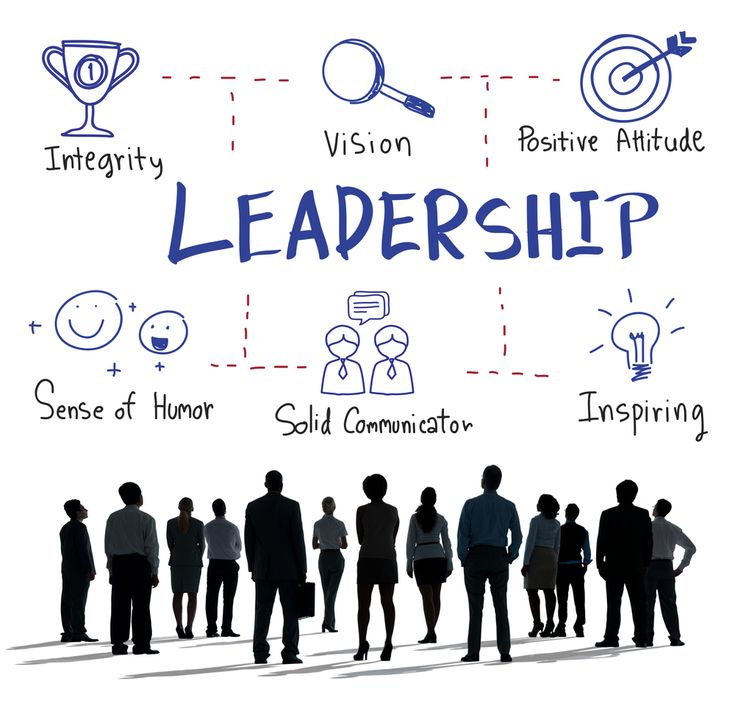
Leadership and influence
Leadership is not limited to managers. Influence, coaching, and the ability to inspire others are valuable at all levels and accelerate career progression.
How employers assess soft skills
Behavioral interviews and situational questions
Structured interviews with behavioral prompts (for example, STAR—Situation, Task, Action, Result) reveal past actions and approaches to interpersonal challenges.
Work samples and simulation tasks
Case studies, role plays, and collaborative tasks during hiring or assessment centers provide direct evidence of teamwork, communication, and problem-solving ability.
Performance reviews and 360 feedback
Ongoing evaluation from managers, peers, and direct reports helps track development. Many organizations use 360-degree feedback to measure competencies like leadership and collaboration.
Practical ways to develop and demonstrate soft skills
Deliberate practice and microlearning
Create small, repeatable exercises focused on one skill—presenting to a team to improve public speaking, or leading a short cross-team meeting to practice facilitation. Microlearning modules and targeted workshops can support steady progress.
Seek structured feedback and coaching
Request specific feedback after projects and use it to set measurable goals. Mentorship and coaching programs accelerate development through modeled behavior and accountability.
Apply skills in real work contexts
Volunteer for cross-functional initiatives, lead a meeting, or contribute to conflict resolution efforts. Demonstrable experience in actual work settings often outweighs theoretical courses.
Document evidence in career materials
Translate soft-skill achievements into concrete examples for resumes, portfolios, and interviews: include outcomes, metrics, and direct quotes from feedback when possible.
Measuring impact and long-term benefits
Organizations that track employee engagement, retention, and promotion rates frequently find correlations between strong soft skills and improved performance metrics. Higher-quality collaboration reduces rework, improves client satisfaction, and supports innovation. For broader labor-market analysis and trends related to workforce skills demand, consult the World Economic Forum's Future of Jobs Report for contextual data and projections (World Economic Forum).
Sector differences and implications
Technology and digital roles
Technical proficiency is necessary, but product management, stakeholder communication, and cross-discipline collaboration determine which teams ship successful products.
Healthcare and human services
Empathy, clear communication, and teamwork directly affect patient outcomes and service quality.
Finance and professional services
Client-facing skills, negotiation, and ethical judgment complement analytical expertise and support client trust.
Education and public sector
Adaptability and stakeholder engagement support policy implementation, program delivery, and community relations.
Practical checklist for career planning
- Identify two priority soft skills to strengthen in the next 6 months.
- Create measurable goals (e.g., lead 3 cross-functional meetings, solicit feedback after each).
- Track progress with evidence: meeting notes, feedback excerpts, project outcomes.
- Share development gains in performance reviews and update career materials.
Conclusion
Soft skills remain essential for career success in 2024. They complement technical expertise and often determine who leads projects, earns promotions, and adapts to changing roles. A deliberate approach—practice, feedback, and real-world application—helps professionals build the competencies that employers value most.
FAQ
What are the most important soft skills for career advancement?
Top soft skills include communication, emotional intelligence, adaptability, collaboration, problem solving, and leadership. The relative importance depends on role and industry, but these competencies consistently appear in employer surveys and workforce reports.
How can individuals demonstrate soft skills on a resume or in an interview?
Use concise, outcome-focused examples: describe the situation, the actions taken, and measurable results. Include performance review highlights, client feedback, or metrics that link behavior to business outcomes.
How long does it take to improve soft skills?
Improvement timelines vary by skill and effort. Noticeable progress can appear within months with targeted practice and feedback; sustained mastery often requires ongoing application and reflection over a year or more.
Are soft skills trainable through online courses?
Online courses can provide frameworks and exercises, but transfer to workplace performance requires deliberate practice, real-world application, and feedback from colleagues or mentors.
Do employers prioritize soft skills over technical skills?
Employers typically seek a balance: technical skills perform task-specific work, while soft skills enable collaboration, leadership, and adaptation. In many hiring and promotion decisions, soft skills tip the scale when technical competence is comparable.
How do soft skills influence remote and hybrid work?
In remote and hybrid settings, clarity in written communication, time management, empathy, and virtual collaboration skills become especially important for maintaining productivity and team cohesion.