Battery Price in Pakistan 2026: Complete Solar Battery Guide
-

- Published Updated
- 3,349 views
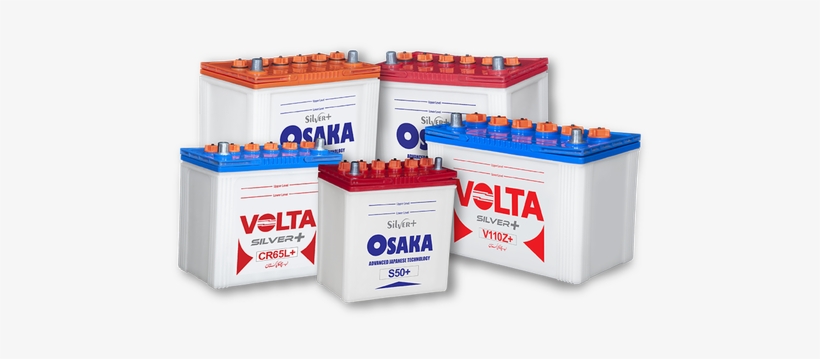
The Battery price in pakistan depends on battery type, capacity, technology, brand, warranty, and market conditions. For homeowners and businesses, choosing the right battery is an important part of building a reliable solar system. Solar App helps customers in Pakistan understand different battery options and select solutions according to their energy needs, backup requirements, and budget.
Solar batteries store electricity generated by solar panels so it can be used when sunlight is unavailable. This makes batteries particularly useful for homes and businesses that want backup power during load shedding or want to use stored solar energy during the evening.
The market now offers several battery technologies, including lead acid, tubular, gel, AGM, and lithium batteries. Lithium batteries have become increasingly popular because of their longer cycle life, higher usable capacity, compact design, and lower maintenance requirements.
However, there is no single battery that is suitable for everyone. The best option depends on your solar system size, daily electricity consumption, required backup time, available space, and budget.
What Is a Solar Battery?
A solar battery stores electrical energy for later use. During the day, solar panels generate electricity. The available power can be used directly by appliances, while extra energy can be stored in the battery when the system is designed for battery charging.
When solar production decreases or the electricity grid goes offline, stored energy can be used to power selected appliances.
A solar battery can therefore improve energy independence and provide backup power when solar panels are not producing enough electricity.
The battery works together with other system components, especially the solar inverter. The inverter manages the flow of electricity between the solar panels, battery, grid, and electrical loads.
Battery Price in Pakistan in 2026
Battery prices in Pakistan vary widely depending on technology and capacity.
Traditional lead acid and tubular batteries are generally more affordable at the initial purchase price. Lithium batteries usually have a higher upfront cost but can provide a longer service life and greater usable energy.
As a general market guide, smaller lead acid batteries can start from approximately Rs. 20,000 to Rs. 40,000, while larger tubular batteries can cost around Rs. 40,000 to Rs. 70,000 or more.
Lithium battery prices vary significantly depending on capacity and manufacturer. A 5 kWh lithium battery can commonly fall within a range of approximately Rs. 250,000 to Rs. 400,000, while larger 10 kWh systems can cost substantially more.
These are general market ranges. Actual prices can change based on brand, battery chemistry, availability, warranty, exchange rates, and supplier.
Main Types of Solar Batteries
Understanding battery types can help buyers make better decisions.
Lead Acid Batteries
Lead acid batteries are among the traditional options used for backup power and solar systems.
They are relatively affordable and widely available. However, they are heavier and generally require more maintenance than modern lithium batteries.
Their usable capacity is also lower because repeatedly discharging lead acid batteries too deeply can reduce their lifespan.
For users with a limited budget and moderate backup requirements, lead acid technology can still be a practical option.
Tubular Batteries
Tubular batteries are commonly used in backup systems in Pakistan.
They are a type of lead acid battery designed for applications where regular charging and discharging are required.
Tubular batteries are available in different capacities and are often selected for homes that need backup during electricity outages.
Their lower upfront cost makes them attractive to budget conscious customers. However, they require more physical space than lithium batteries and may need regular maintenance depending on the battery type.
AGM Batteries
AGM stands for Absorbent Glass Mat. These batteries are sealed lead acid batteries that use an absorbent material to hold the electrolyte.
AGM batteries can be useful in certain backup and solar applications because they are sealed and generally require less maintenance than conventional flooded batteries.
However, they can still have a shorter cycle life than many modern lithium solutions when used frequently.
Gel Batteries
Gel batteries use a gel based electrolyte and are designed to provide reliable deep cycle performance.
They are generally sealed and can be suitable for solar backup applications.
Gel batteries can be a useful choice where maintenance requirements need to be reduced, although their performance and cost should be compared with lithium alternatives before purchase.
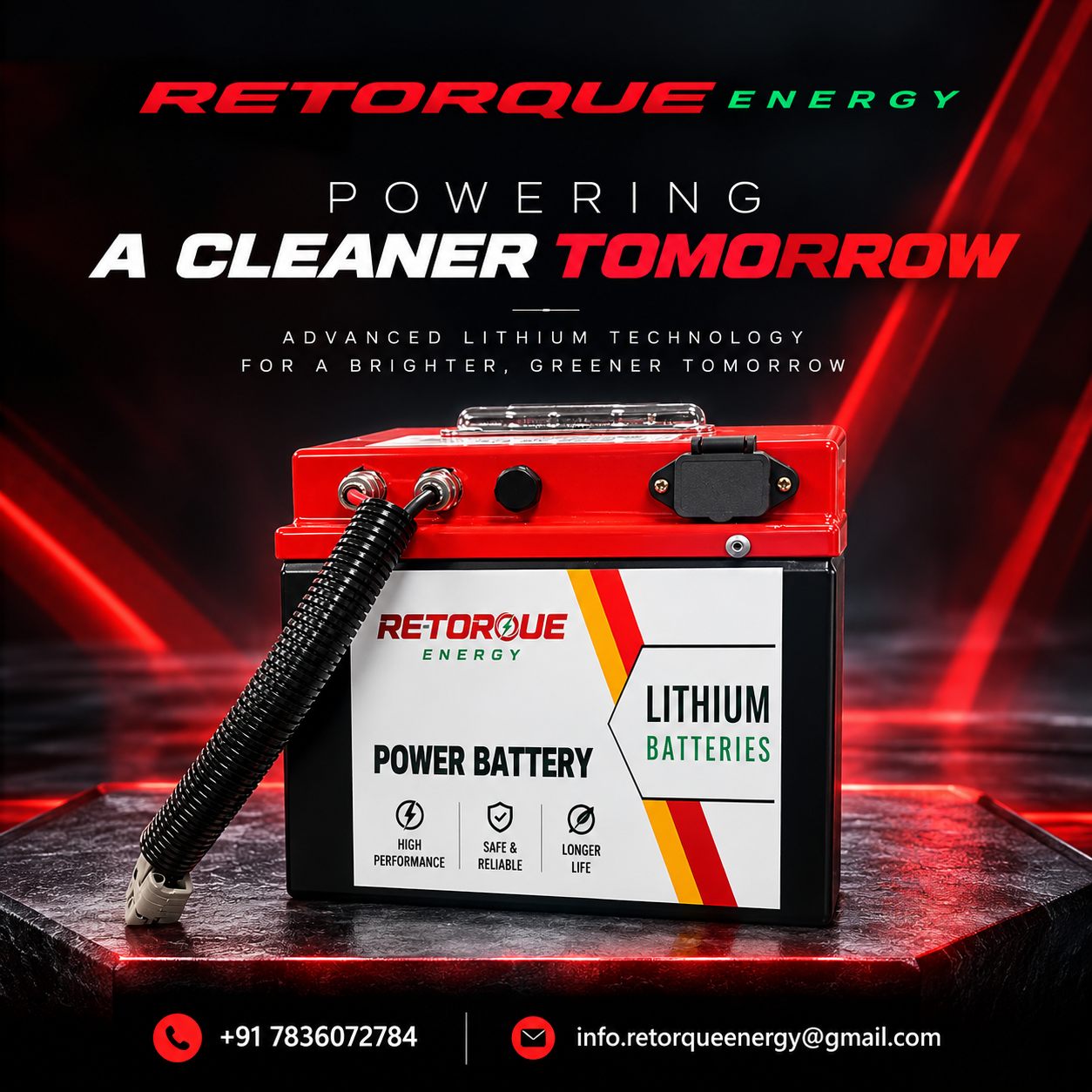
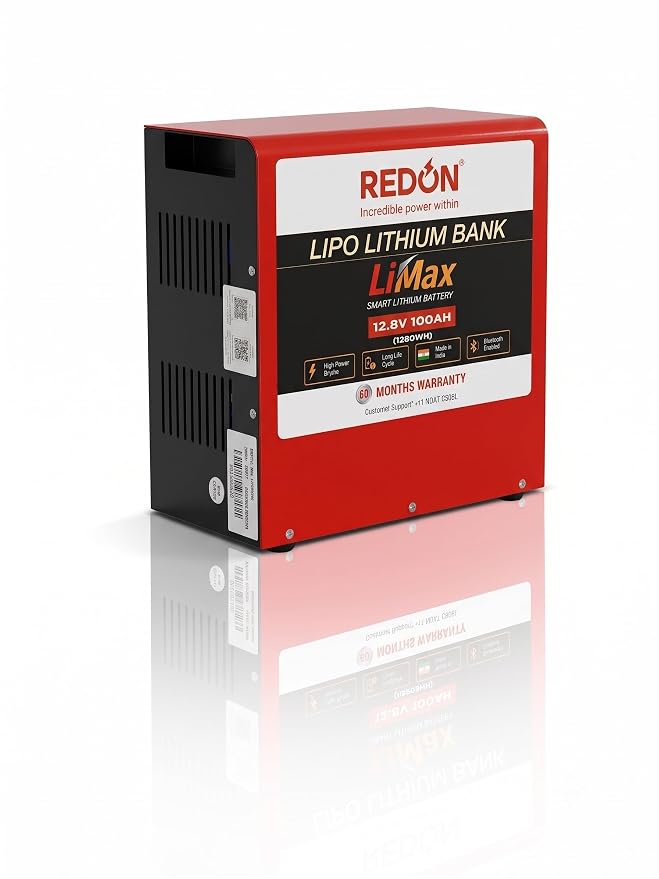
Lithium Batteries
Lithium batteries have become increasingly popular for modern solar systems.
Lithium iron phosphate, commonly known as LiFePO4, is widely used for energy storage because of its safety characteristics, long cycle life, and ability to provide a high usable depth of discharge.
Lithium batteries are generally more expensive at the time of purchase. However, their longer operating life can make them cost effective over many years.
Lithium Battery Price in Pakistan
Lithium battery pricing depends heavily on storage capacity.
Common residential options include 5 kWh, 10 kWh, and larger battery systems.
A 5 kWh lithium battery can provide useful backup for essential household loads. A 10 kWh battery can provide more energy and may be suitable for homes with greater electricity consumption or businesses with larger backup requirements.
The Battery price in pakistan for lithium models is higher than traditional lead acid batteries because lithium systems use advanced battery cells, battery management systems, and other components designed for long term energy storage.
When comparing lithium batteries, customers should check usable capacity rather than looking only at the advertised capacity.
What Is Battery Capacity?
Battery capacity tells you how much energy the battery can store.
It is commonly measured in ampere hours for many traditional batteries and kilowatt hours for modern energy storage systems.
For example, a 5 kWh battery theoretically stores 5 kilowatt hours of energy. However, the actual usable energy depends on the battery's recommended depth of discharge and system efficiency.
This is why two batteries with similar advertised capacity may provide different amounts of usable energy.
What Is Depth of Discharge?
Depth of discharge, commonly called DoD, describes how much of a battery's stored energy can be used before it needs to be recharged.
A battery with a higher recommended depth of discharge can provide more usable energy from its total capacity.
Lithium batteries often allow a higher usable depth of discharge than traditional lead acid batteries.
This is one reason why a smaller lithium battery can sometimes provide comparable usable energy to a larger lead acid battery.
How Many Batteries Do You Need for a Solar System?
The number of batteries depends on your required backup capacity.
For example, a small home may only need enough storage to operate lights, fans, WiFi equipment, a refrigerator, and other essential appliances.
A larger property with multiple air conditioners, water pumps, refrigerators, and other high consumption appliances may require significantly more battery storage.
Battery requirements should therefore be calculated based on actual load consumption rather than choosing a battery based only on the solar panel capacity.
Battery Size for a 5 kW Solar System
A 5 kW solar system does not automatically require a specific battery size.
The correct battery depends on whether the system is designed for backup, self consumption, or both.
A homeowner may choose a 5 kWh battery for essential loads, while another household may require 10 kWh or more because of higher evening consumption.
The inverter must also support the selected battery. Battery voltage, communication protocols, charging limits, and compatibility should be checked before installation.
Battery Size for a 10 kW Solar System
A 10 kW solar system can support a larger energy load, but the battery should still be selected according to actual consumption.
For a commercial property, the battery may be sized around critical equipment and operating requirements.
Businesses may need backup for computers, networking equipment, security systems, lighting, refrigeration, machinery, or other essential loads.
A professional energy assessment can determine how much battery storage is actually needed.
Lithium vs Tubular Battery
Lithium and tubular batteries have different advantages.
Lithium batteries generally offer longer cycle life, higher usable capacity, faster charging, lower maintenance, and a more compact design.
Tubular batteries generally have a lower upfront cost and are widely available in Pakistan.
For users with frequent charging and discharging requirements, lithium can provide better long term value.
For users with a limited budget and less frequent backup requirements, tubular batteries may remain a practical choice.
The right option depends on the user's priorities.
Important Factors When Buying a Solar Battery
Price should not be the only factor when selecting a battery.
Battery Capacity
Make sure the capacity is sufficient for your required backup time.
Usable Capacity
Check how much of the advertised capacity can actually be used.
Cycle Life
Cycle life indicates how many charge and discharge cycles the battery can provide under specified conditions.
A higher cycle life can be particularly important for solar systems that charge and discharge the battery every day.
Warranty
Check both the warranty period and warranty conditions.
A battery with a longer warranty may provide greater confidence for a long term solar investment.
Charging Speed
Some batteries can accept higher charging rates than others. This can be useful when solar production is strong and you want to recharge the battery quickly.
Inverter Compatibility
Always confirm that the battery is compatible with the solar inverter.
Lithium batteries may require communication between the battery management system and inverter for proper operation.
Solar Battery Backup Time
Backup time depends on battery capacity and electricity consumption.
For example, a 5 kWh battery cannot provide the same backup duration for a small load and a large load.
If your appliances consume 500 watts continuously, a 5 kWh battery could theoretically provide several hours of energy before accounting for system losses and battery operating limits.
If the load increases to 2,000 watts, the backup duration becomes much shorter.
This is why customers should identify which appliances they want to run during a power outage.
How to Calculate Required Battery Capacity
A simple calculation can help estimate the required storage.
First, list the appliances you want to operate during backup.
Next, calculate their combined power consumption.
Then estimate how many hours you want to run them.
For example, if your essential loads consume 1 kW and you need approximately five hours of backup, you would need around 5 kWh of usable energy.
Additional capacity may be required to account for inverter losses, battery limitations, and future requirements.
Battery Maintenance in Pakistan
Battery maintenance depends on the technology.
Flooded lead acid batteries may require water level checks and regular maintenance.
Tubular batteries can also require attention depending on their construction and usage.
Sealed AGM and gel batteries generally require less maintenance.
Lithium batteries require significantly less routine maintenance, although the battery management system and installation environment should still be monitored.
Keeping batteries in a suitable, well ventilated environment can also help maintain safe and reliable operation.
Temperature and Battery Performance
Pakistan experiences high temperatures during summer, and temperature can affect battery performance and lifespan.
Excessive heat can accelerate battery degradation, especially when batteries are installed in poorly ventilated areas.
A suitable installation location should protect the battery from direct sunlight and extreme heat.
Lithium batteries also have recommended operating temperature ranges. Installation should follow the manufacturer's requirements.
Solar Battery for Home
Homeowners should first identify their essential electricity loads.
Lights, fans, refrigerators, WiFi equipment, security systems, and selected appliances may be prioritized during outages.
If the goal is complete home backup, substantially more battery storage may be required.
For this reason, homeowners should decide whether they want essential backup or whole home backup before purchasing a battery.
Solar Battery for Business
Businesses often need reliable electricity because outages can affect operations and productivity.
Offices may need backup for computers, internet systems, lighting, and security equipment.
Shops may need refrigeration, point of sale equipment, lights, and other essential systems.
Factories may have significantly higher energy requirements and may need specialized commercial battery storage.
A properly designed energy storage system can help businesses manage power interruptions and make better use of solar energy.
Battery Price and Total Solar System Cost
The cost of a solar battery is only one part of a complete energy storage system.
The total investment may include the battery, solar inverter, solar panels, mounting equipment, cables, protection devices, installation, monitoring equipment, and other components.
A lower battery price does not necessarily mean a lower total cost over the system's lifetime.
For example, a cheaper battery may have a shorter cycle life or lower usable capacity. A more expensive battery may provide longer service and greater usable energy.
Therefore, buyers should compare the total value rather than the initial price alone.
How to Choose the Right Battery
Start with your electricity consumption.
Determine how much energy you use during the evening and how much backup you need during outages.
Then decide whether you prefer a lower initial investment or a longer term storage solution.
For frequent daily cycling, lithium technology can be attractive because of its cycle life and usable capacity.
For occasional backup with a tighter budget, tubular or other lead acid options may be worth considering.
The inverter and battery should always be evaluated together.
Common Battery Buying Mistakes
One common mistake is choosing a battery only because it has a low price.
Another is comparing batteries based only on ampere hours without considering voltage and usable energy.
Some buyers also overlook warranty conditions and cycle life.
Buying an incompatible battery can create technical problems and reduce system performance.
It is also important not to install a battery in an unsuitable location. Excessive heat, poor ventilation, moisture, and incorrect wiring can affect safety and performance.
Why Choose Solar App?
Solar App helps customers understand solar energy solutions and make better decisions based on their individual requirements.
Instead of focusing only on the upfront Battery price in pakistan, customers can compare storage capacity, battery technology, usable energy, warranty, cycle life, and inverter compatibility.
This approach helps homeowners and businesses select an energy storage solution that fits their actual requirements.
Solar App can support customers who are exploring solar systems for homes, offices, commercial properties, and other applications across Pakistan.
Is a Solar Battery Worth It in Pakistan?
A solar battery can be a valuable addition for users who need backup power or want to use more of their solar energy after sunset.
The value depends on electricity consumption, outage frequency, battery cost, solar production, and the expected operating life of the system.
For users who mainly want to reduce daytime electricity bills and have reliable grid electricity, a battery may not always be necessary.
For users who experience frequent outages or need reliable backup, battery storage can provide significant benefits.
Final Thoughts
The Battery price in pakistan varies according to technology, capacity, brand, warranty, and market conditions. Traditional tubular and lead acid batteries generally have a lower upfront cost, while lithium batteries offer advantages such as longer cycle life, higher usable capacity, and lower maintenance.
Choosing the right battery requires more than comparing prices. Buyers should consider backup requirements, usable capacity, depth of discharge, cycle life, charging speed, warranty, temperature, and inverter compatibility.
For homeowners and businesses in Pakistan, the right battery can improve energy reliability and make better use of solar power.
Solar App can help customers understand different energy storage options and plan a solar solution according to their electricity requirements and long term goals.
FAQs
What is the current battery price in Pakistan?
Battery prices vary by type and capacity, with traditional batteries generally costing less than modern lithium models.
Which battery is best for solar systems?
Lithium iron phosphate batteries are a popular modern choice because of their long cycle life and high usable capacity.
Is a lithium battery better than a tubular battery?
Lithium batteries generally offer longer life and lower maintenance, while tubular batteries have a lower initial cost.
How long can a solar battery provide backup?
Backup time depends on battery capacity and the total electricity consumption of the connected appliances.
How much battery storage does a home need?
The required storage depends on your essential loads, electricity usage, and desired backup duration.
Can any battery work with a solar inverter?
No, the battery must be compatible with the inverter's voltage, charging requirements, and communication system.