Solar System Installation in Karachi: What It Takes to Get It Right
-

- Published Updated
- 5,138 views
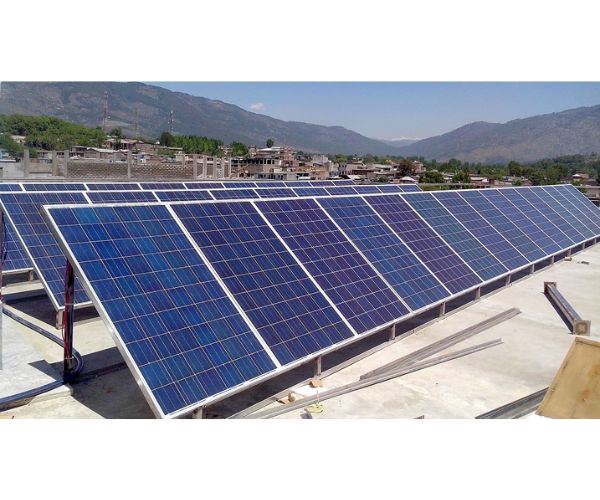
Karachi doesn't make life easy for its power grid. Between relentless summer heat, rising K-Electric tariffs, and load-shedding that still hits large parts of the city, it's no surprise that solar has stopped being optional for a lot of households and businesses here it's become the more sensible way to run a home or an operation. But Karachi's climate and infrastructure also mean solar system installation here isn't quite the same job as it would be in a milder city. Rooftop heat, dust, salt air near the coast, and inconsistent grid voltage all factor into how a system should be designed.
At Elite Services, most of the calls we get start the same way: someone is tired of their K-Electric bill climbing every quarter, or tired of running a generator every time the power drops. What follows is what actually matters when you're getting solar installed in this city specifically not generic advice that could apply anywhere.
Why Karachi's Conditions Change the Solar System Installation Approach
Panels in Karachi deal with more heat stress than panels almost anywhere else in Pakistan. High rooftop temperatures reduce panel efficiency if the system isn't designed with proper ventilation and mounting clearance underneath the panels. Homes closer to the coast also face faster corrosion on mounting structures and connectors if marine-grade materials aren't used from the start.
Then there's the voltage instability that comes with K-Electric's grid, particularly in older neighborhoods. A solar system installation that doesn't account for this can see inverter stress or shortened equipment life. None of this is a reason to avoid solar — it just means the installer needs to actually understand Karachi's specific conditions rather than applying a one-size-fits-all setup.
How Elite Services Approaches Every Installation
We don't quote a system without seeing the roof first. A technician visits the property, checks structural condition, shading from neighboring buildings (common in dense areas like Gulshan or PECHS), and roof orientation relative to the sun's path. From there, we size the system against your actual K-Electric consumption history rather than guessing, so you're not paying for capacity you'll never use or stuck short during peak summer load.
Component selection is where a lot of Karachi installations quietly fail. We use panels and inverters rated for high-heat performance, marine-resistant mounting hardware for coastal or humid areas, and wiring sized to handle the voltage fluctuations common across the city's grid. Once mounted and wired, every system goes through load testing under real conditions before we hand it over — not just a quick switch-on check.
Net Metering and the Real Payback Timeline
One thing that changes the economics of solar system installation in Karachi is NEPRA's net metering policy, which lets you sell excess power back to K-Electric through your existing meter. For homes and businesses with daytime consumption, this can meaningfully shorten the time it takes for the system to pay for itself. Elite Services handles the net metering application and K-Electric coordination as part of the installation process, since navigating that paperwork on your own can otherwise add weeks to the timeline.
Keeping a System Running Through Karachi Summers
Dust accumulation is faster here than in most cities, and it directly cuts panel output if left unmanaged. We recommend a cleaning cycle roughly every four to six weeks during dry months, more often near construction sites or main roads. Beyond that, an annual inverter and connection check catches most issues before they turn into performance loss — something we build into our post-installation support rather than leaving clients to figure out on their own.
Frequently Asked Questions
Is solar system installation in Karachi worth it given the heat?
Yes, as long as the system is designed for it. High-heat-rated panels and proper mounting clearance offset the efficiency loss that comes with rooftop temperatures in Karachi, which is standard practice in every installation Elite Services carries out.
How does net metering work with K-Electric?
Once your system is installed and registered under NEPRA's net metering policy, a bidirectional meter tracks both the power you draw from the grid and the excess you send back, reducing your net bill.
Can solar power a home through load-shedding without batteries?
Only while the sun is out and the grid is functioning for the inverter to sync with, unless the system includes battery storage. For full backup during outages, we design hybrid systems with batteries as part of the setup.
How long does installation take once Elite Services starts the project?
Most residential systems in Karachi are physically installed within two to four days, with net metering approval typically adding a few additional weeks depending on K-Electric's processing time.
What size system does a typical Karachi household need?
It depends entirely on monthly consumption, but our team sizes every system against your actual K-Electric billing history during the site visit, rather than offering a generic estimate upfront.
If you're in Karachi and tired of unpredictable bills or unreliable power, Elite Services can assess your property and give you a real, numbers-based plan for what solar would look like at your home or business.