Small Steam Turbine Manufacturers: What Fits in a 500 Sq Ft Room?
-

- Published Updated
- 31 views
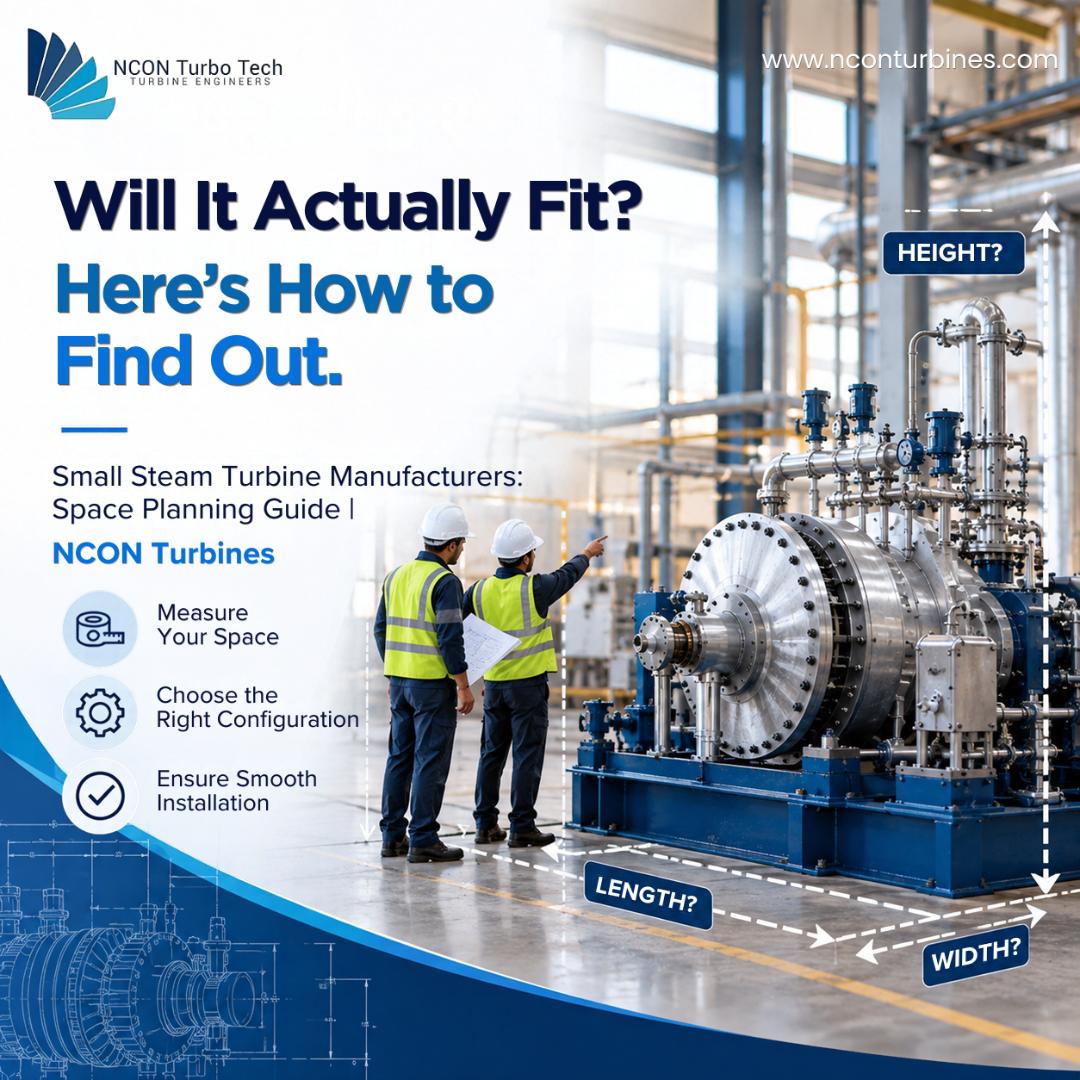
One of the first questions facilities with limited space ask when exploring turbine-based power generation is simple: will this actually fit? A 500 square foot room, often the kind of modest utility space many smaller facilities have available, raises genuine questions about what's realistic. Understanding how small steam turbine manufacturers actually approach space planning helps set accurate expectations before you get too far into the evaluation process.
Why "Small" Doesn't Mean One Fixed Size
The Range Within "Small Steam Turbines" as a Category
The term "small steam turbine" covers a genuine range of capacities and configurations, not a single standardized size. A turbine sized for a modest facility's power needs can vary considerably in physical footprint depending on capacity, design configuration, and what auxiliary equipment needs to be housed alongside the turbine itself.
Why This Matters for Space Planning
This variability means facilities shouldn't assume a generic "small turbine" dimension applies universally. Genuine space planning requires working with specific capacity requirements and getting actual manufacturer specifications, rather than relying on rough assumptions that may not match your particular equipment needs.
What Actually Needs to Fit in the Space
The Turbine Itself Is Only Part of the Equation
Auxiliary Equipment Often Gets Overlooked
Beyond the turbine unit itself, a complete installation typically includes control systems, piping connections, safety equipment, and sometimes auxiliary components depending on the specific configuration. Facilities planning space based solely on the turbine's dimensions without accounting for this surrounding infrastructure often discover their actual space requirements exceed initial estimates.
Clearance Requirements Beyond the Equipment Footprint
Proper installation also requires adequate clearance around equipment for safe operation, maintenance access, and compliance with relevant safety standards. This clearance space, while not part of the equipment's physical footprint, genuinely factors into total space requirements and shouldn't be overlooked during initial space assessment.
Questions to Ask Before Assuming Your Space Works
Request Specific Dimensional Drawings
Why Generic Specifications Aren't Enough
Rather than relying on general capacity ranges, ask potential manufacturers for specific dimensional drawings for the particular configuration being considered for your facility. Being recognized among genuine small steam turbine manufacturers with transparent engineering practices means providing this detailed documentation readily, rather than offering only vague size ranges that don't allow for genuine space verification.
Ask About Minimum Clearance Requirements
Confirm specifically what clearance the manufacturer recommends around the equipment for safe operation and maintenance access, since this clearance requirement affects total space needs beyond just the equipment's physical footprint.
Clarify What Auxiliary Equipment Needs to Be Housed
Understanding the Full Installation Picture
Ask directly whether control panels, piping, or other auxiliary components need to be located within the same room as the turbine itself, or whether some elements can potentially be positioned elsewhere, which affects how you think about your available space allocation.
How This Connects to Turbine Type Selection
Simpler Configurations May Offer Space Advantages
For facilities with genuine space constraints, considering saturated steam turbine manufacturers options, which typically involve simpler, single-stage configurations, may offer more compact footprint possibilities compared to more complex multi-stage alternatives, though this still requires verification against your specific capacity requirements.
Why Capacity and Space Constraints Need to Be Balanced
Avoiding the Mistake of Prioritizing Space Over Performance
While space constraints matter genuinely, it's important not to let space limitations alone drive capacity decisions without considering actual power generation needs. Working with manufacturers who help balance these considerations, rather than simply fitting whatever configuration matches your available space regardless of whether it meets genuine operational requirements, leads to better long-term outcomes.
What to Do If Your Space Seems Too Tight
Discuss Alternative Configurations
If initial space assessment suggests your available room might not accommodate standard configurations, discuss this openly with potential manufacturers rather than assuming turbine technology simply isn't feasible for your facility. Some manufacturers may offer configuration variations or layout suggestions that better accommodate space constraints you're facing.
Consider Whether Modest Modifications Could Help
Sometimes Minor Changes Create Meaningful Space
In some cases, minor modifications to existing space — relocating non-essential stored items, adjusting room layout, or similar modest changes — can create sufficient additional clearance to accommodate equipment that initially seemed too tight for the available space.
Why Accurate Measurements Matter Before You Commit
The Cost of Getting This Wrong
Committing to equipment specifications before genuinely verifying space compatibility can lead to costly complications during installation, potentially requiring expensive modifications or, in worst cases, equipment that simply doesn't fit as planned. Taking time for thorough space verification before finalizing any purchase decision helps avoid these genuinely costly mistakes.
Working With Manufacturers Who Prioritize This Verification
Being counted among reliable manufacturers means prioritizing thorough space verification as a standard part of the specification process, rather than treating it as a secondary detail to address only after other aspects of the purchase decision are finalized.
Planning for Long-Term Access, Not Just Initial Fit
Maintenance Access Matters Beyond Initial Installation
Beyond simply fitting the equipment initially, consider whether your space allows adequate access for ongoing maintenance throughout the equipment's operational life. Working with manufacturers who provide genuine turbine spares & services India support means understanding what access requirements their maintenance procedures typically involve, ensuring your space accommodates not just installation but years of ongoing service needs.
Final Thoughts
Determining whether a specific space genuinely accommodates small steam turbine installation requires more than rough size assumptions — it requires specific dimensional verification, understanding of auxiliary equipment and clearance requirements, and honest conversation with manufacturers about your particular space constraints and capacity needs.
For facilities currently evaluating whether their available space works for turbine installation, requesting specific, verified dimensional information directly from manufacturers, rather than relying on general assumptions about what "small" turbines typically require, is the only reliable way to confirm genuine space compatibility before committing to a purchase decision.
Contact us
Address: F-62 & F-63, Industrial Estate, Rajajinagar, Bangalore, Karnataka, India - 560044
Call Us: +91 80231 5148
Email ID: [email protected]
Website: https://www.nconturbines.com/