What Is Brent Crude Oil? Understanding the Global Energy Benchmark
-

- Published Updated
- 38 views
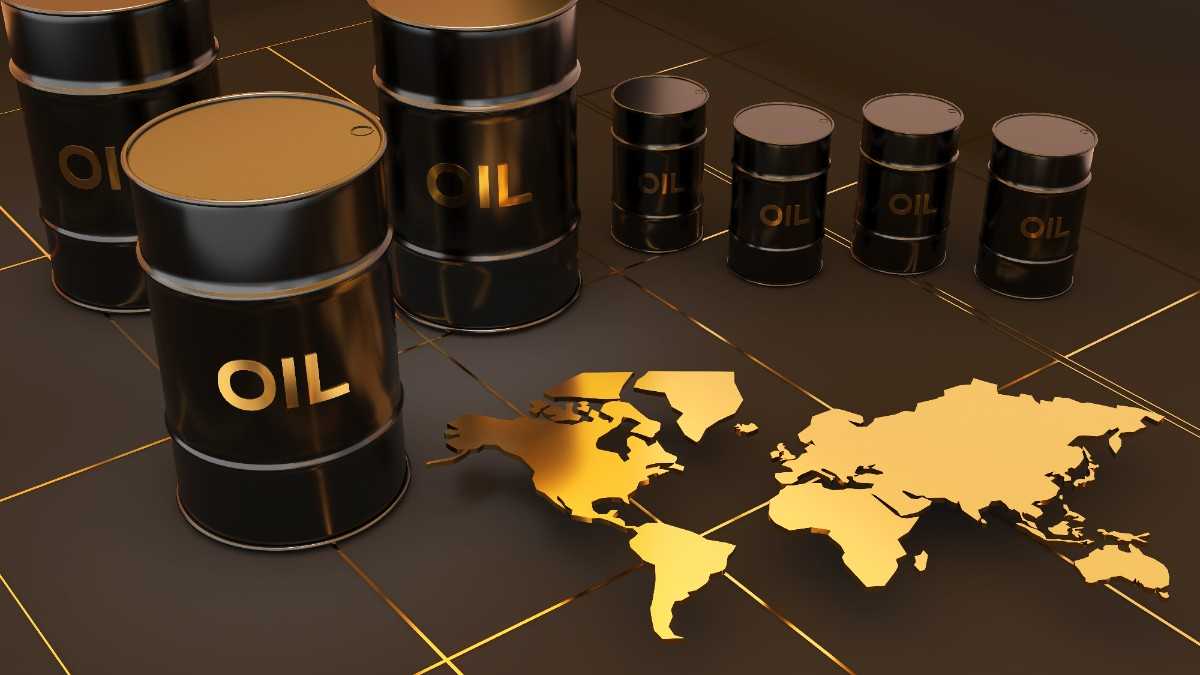
Energy markets sit at the core of the global economy, directly influencing headline inflation rates, industrial supply chains, transport costs, and central bank monetary policies worldwide. At the center of international energy trading sits a crucial pricing reference: Brent crude oil. Serving as the benchmark for roughly two-thirds of all internationally traded physical crude oil contracts, Brent crude acts as the primary global barometer for energy supply and demand dynamics.
Understanding
1. Defining Brent Crude Oil: Origin and Chemical Composition
Brent crude oil is a specific classification of petroleum extracted primarily from offshore oil fields located in the North Sea region between the United Kingdom and Norway.
Physical North Sea Offshore Extraction (BFOET Fields)
 │
 ▼
┌──────────────────────────────────────────────┐
│ Light & Sweet Crude Blend (API ~38°, S 0.37%)│ ◄── Requires Less Refining
└──────────────────────────────────────────────┘
 │
 ▼
Direct Loading onto Ocean Waterborne Tankers
 │
 ▼
Global Benchmark Pricing & International Distribution
Key Chemical Characteristics
Light Crude: Brent possesses a relatively low API gravity (approximately 38°). This means it has a light density compared to heavier crude blends, allowing for easier distillation.
Sweet Crude: It contains a very low sulfur content (around 0.37%), categorizing it as "sweet."
Light Crude: Brent possesses a relatively low API gravity (approximately 38°). This means it has a light density compared to heavier crude blends, allowing for easier distillation.
Sweet Crude: It contains a very low sulfur content (around 0.37%), categorizing it as "sweet."
Because light, sweet crude oil requires significantly less processing energy to refine into high-value consumer end-products—such as gasoline, diesel, heating fuel, and jet fuel—it historically commands a premium valuation over heavier, high-sulfur crude grades.
The BFOET Basket Structure
While originally drawn solely from the single Brent oilfield discovered in the 1970s, modern physical Brent crude refers to a combined basket of five distinct North Sea oil grades. This composite is commonly known as BFOET:
Brent
Forties
Oseberg
Ekofisk
Troll
Pooling these distinct fields into a single standardized deliverable ensures sufficient physical liquidity, preventing supply bottlenecks and guarding against market manipulation in physical derivatives settlements.
2. Brent Crude vs. West Texas Intermediate (WTI)
When tracking financial news or trading energy derivatives, market participants frequently evaluate the price differential between Brent Crude and West Texas Intermediate (WTI). While both are world-class light, sweet crude standards, key structural and logistical differences separate them:
| Structural Feature | Brent Crude Oil | West Texas Intermediate (WTI) |
| Primary Extraction Area | North Sea (Offshore UK & Norway) | US Inland / Permian Basin (Texas, Oklahoma) |
| Global Pricing Influence | Prices ~70-78% of global physical oil trades | Primary benchmark for US domestic consumption |
| Transportation Logistics | Direct offshore loading onto waterborne ocean tankers | Dependent on landlocked pipelines and storage (Cushing, OK) |
| Primary Derivatives Exchange | Intercontinental Exchange (ICE) | New York Mercantile Exchange (NYMEX / CME Group) |
| Geopolitical Exposure | Highly sensitive to global maritime & Middle East risks | Highly sensitive to US domestic inventory & shale production |
Because Brent crude is extracted offshore, it can be loaded directly onto ocean tankers and shipped flexibly to refineries anywhere in Asia, Europe, or the Americas. This sea-based logistical mobility makes Brent crude a far more universal reflection of global macroeconomic conditions than landlocked oil grades.
3. Primary Catalysts Driving Brent Crude Oil Prices
Brent crude prices fluctuate continuously in response to a complex web of fundamental, macroeconomic, and geopolitical drivers:
OPEC+ Production Quotas: Policy decisions by the Organization of the Petroleum Exporting Countries and partner nations (OPEC+) directly alter global supply volumes through managed production cuts or increases.
Global Economic Growth: Industrial activity, consumer travel demand, and GDP growth in major consuming economies (particularly China, the United States, and India) establish the global baseline for oil consumption.
Geopolitical Risk Premiums: Regional conflicts or supply disruptions across key maritime chokepoints—such as the Strait of Hormuz, the Suez Canal, or the Red Sea—immediately trigger risk premiums on Brent futures.
US Dollar Exchange Rates: Because Brent crude is globally quoted and traded in US Dollars (USD), shifts in the Greenback impact purchasing power for international buyers, creating an inverse pricing relationship.
Seasonal Demand Cycles: Global oil consumption typically swings seasonally, peaking during the Northern Hemisphere summer driving season and winter heating months.
4. How Market Participants Access and Trade Brent Crude
Traders and institutions engage with Brent crude market movements across various financial instruments tailored to specific risk profiles:
Futures & Options Contracts: Traded primarily on the Intercontinental Exchange (ICE), institutional market participants use standardized Brent futures to hedge against price volatility or gain direct speculative exposure.
Contracts for Difference (CFDs): Popular among active retail traders, spot and futures CFDs enable short-term speculation on rising or falling energy prices using leverage without requiring physical asset delivery.
Energy Stocks & ETFs: Investors seeking indirect equity exposure purchase shares of global energy majors or commodity-focused exchange-traded funds (ETFs) tracking crude oil spot indexes.
Summary
Brent crude oil remains the world's most vital energy benchmark. Its light, sweet chemical properties and seamless ocean-based transport infrastructure make it the premier global reference for pricing physical oil and forecasting global macroeconomic trends.
By referencing comprehensive educational guides on