Solar Installation Guide for Homes and Businesses in Gurgaon and Delhi NCR
-

- Published Updated
- 34 views
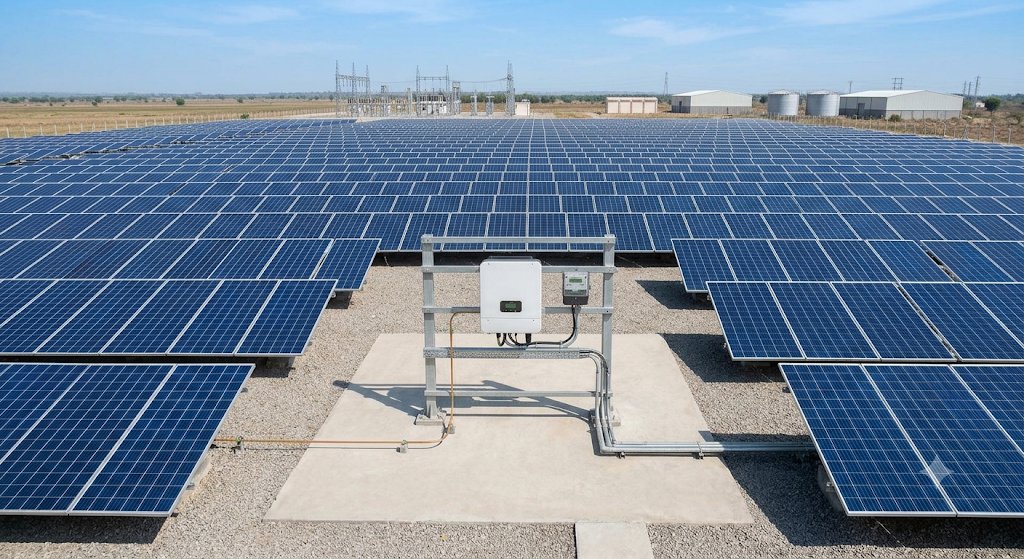
Electricity is an important operating expense for households, offices, factories, and commercial establishments. Solar energy provides an opportunity to generate electricity on-site and manage energy expenses over the long term.
In Gurgaon and Delhi NCR, solar installations may be suitable for residential rooftops, commercial buildings, warehouses, and industrial facilities. However, every property has different energy requirements. Roof strength, shading, electricity consumption, and grid connection rules can influence the installation process.
Before investing in solar panels, property owners should understand system options, pricing factors, equipment specifications, and maintenance requirements. Comparing detailed quotations and evaluating expected electricity generation can help customers make informed decisions and avoid unnecessary expenses.
Commercial Solar Power Installation in Gurgaon
Commercial solar systems help businesses generate electricity for offices, factories, warehouses, retail spaces, and other commercial properties.
A Commercial Solar Power Installation in Gurgaon should begin with an assessment of the building's electricity consumption and available installation area. Businesses with substantial daytime energy demand may be able to use a significant portion of the electricity generated by their solar systems.
Key Factors for Commercial Solar Projects
Energy consumption: Review electricity bills and identify daytime power requirements.
Roof suitability: Assess structural strength, shading, and usable space.
System capacity: Match the proposed installation to the site's requirements.
Equipment quality: Compare panel ratings, inverter specifications, and warranties.
Grid connection: Verify applicable approvals and electricity distribution company requirements.
Financial planning: Review total installation costs, estimated generation, and potential savings.
A detailed proposal should explain equipment specifications, installation scope, expected generation, and maintenance responsibilities.
Residential Solar Panel Installation in Gurgaon
Homeowners can use rooftop solar systems to generate electricity for lighting, air conditioning, appliances, and other household needs.
Residential Solar Panel Installation in Gurgaon generally involves reviewing household electricity consumption, inspecting the rooftop, selecting suitable equipment, and completing the installation according to applicable technical requirements.
Steps to Plan a Residential Solar Installation
Collect recent electricity bills to understand household energy use.
Arrange a rooftop survey to check usable space and shading.
Determine the appropriate system capacity.
Compare panel and inverter specifications.
Review installation costs, warranties, and maintenance arrangements.
Check current subsidy eligibility and applicable application procedures.
An on-grid system may suit homes that want to reduce grid electricity consumption. A battery-based system may be more appropriate when backup electricity is also required.
How to Choose a Residential Solar Panel in Gurgaon
When evaluating a Residential Solar Panel in Gurgaon, consider the complete system rather than focusing only on the panel price.
Important selection criteria include:
Panel efficiency and rated output
Inverter compatibility
Product and installation warranties
Roof condition and installation requirements
Expected electricity generation
Installer experience and after-sales support
Homeowners should request a written estimate based on their actual rooftop conditions. They should also understand that standard grid-connected solar systems generally shut down during a power outage unless suitable backup equipment is installed.
Solar Panel Installation in Delhi: What Should You Know?
Planning Solar Panel Installation in Delhi requires attention to rooftop suitability, electricity usage, equipment selection, and local regulations.
A reliable installation proposal should include a system design, equipment details, estimated electricity generation, installation costs, and warranty information. These details make it easier to compare providers and assess the suitability of the investment.
Understanding Solar Panel Price in Gurgaon
The Solar Panel Price in Gurgaon varies according to system capacity, equipment specifications, installation complexity, and the property's electrical infrastructure.
The total project cost may include:
Solar panels and inverters
Mounting structures
Wiring and electrical protection equipment
Installation and commissioning
Structural modifications, where required
Monitoring equipment and optional battery storage
What Affects the Final Price?
Cost factor |
How it affects the project |
System capacity |
Larger systems generally require more equipment |
Panel and inverter quality |
Specifications and warranties influence pricing |
Rooftop conditions |
Difficult access or structural work may increase costs |
Battery storage |
Adds equipment and installation expenses |
Installation scope |
Electrical upgrades and additional work can affect the budget |
Request quotations with clearly listed inclusions and exclusions. Compare the expected electricity generation and total project cost rather than selecting an installation solely because it has the lowest initial price.
Solar Energy Company in IMT Manesar: Factors to Consider
Businesses exploring a Solar Energy Company in IMT Manesar should evaluate providers according to their industrial project experience, technical capabilities, and maintenance support.
Industrial facilities may have substantial electricity requirements, large rooftops, and specific operating schedules. A proper feasibility assessment should examine load profiles, available installation space, electrical infrastructure, and potential grid connection requirements.
Before choosing a provider, businesses should:
Review relevant commercial or industrial project experience.
Request a detailed technical and financial proposal.
Compare equipment specifications and warranties.
Confirm safety procedures and commissioning responsibilities.
Understand the maintenance plan and service response arrangements.
The final system design should reflect the facility's actual electricity needs and site conditions.
Common Solar Installation Mistakes to Avoid
Property owners can improve project planning by avoiding these common mistakes:
Selecting system capacity without reviewing electricity bills.
Ignoring roof strength and shading.
Comparing quotations without checking equipment specifications.
Assuming estimated savings are guaranteed.
Overlooking maintenance costs and warranty terms.
Failing to verify approvals and grid connection requirements.
A professional assessment and transparent proposal help reduce these risks.
Frequently Asked Questions
1. Is solar installation suitable for both homes and businesses?
Yes. Solar systems can serve residential, commercial, and industrial properties when the site and electricity requirements are suitable.
2. What determines the cost of a rooftop solar system?
The cost depends on system capacity, panel and inverter specifications, mounting requirements, electrical work, and optional battery storage.
3. How can I estimate the right solar system capacity?
Review electricity bills, consumption patterns, available rooftop space, and expected energy demand with a qualified installer.
4. Can solar panels provide electricity during a power cut?
A standard grid-connected system generally shuts down during a grid outage. Backup power requires compatible equipment and an appropriate system design.
5. Are solar subsidies available in Delhi and Gurgaon?
Eligibility depends on the applicable scheme, customer category, installation type, and current rules. Check official government sources and the relevant electricity distribution company before making financial assumptions.
6. How should I compare solar installation companies?
Compare technical experience, equipment quality, project costs, estimated generation, warranties, safety procedures, and after-sales support.
Conclusion
Solar energy can help households and businesses manage electricity consumption while supporting a shift towards renewable power. However, a successful installation requires careful planning, suitable equipment, realistic financial estimates, and compliance with applicable technical requirements.
Before choosing a solar system, review your electricity bills, assess the available installation area, compare detailed quotations, and understand the expected generation and maintenance needs. Businesses should pay particular attention to daytime energy demand, while homeowners should consider rooftop conditions and backup requirements.
Rishika Kraft Solar encourages informed solar energy decisions based on individual property requirements and project objectives. Evaluating technical suitability, installation quality, and long-term service support can help property owners choose a practical solution for their energy needs.