Hydrogen Transportation Market Size, Industry Trends, and Long-Term Growth Prospects
-
- Published Updated
- 6,546 views
Hydrogen Transportation Market Size
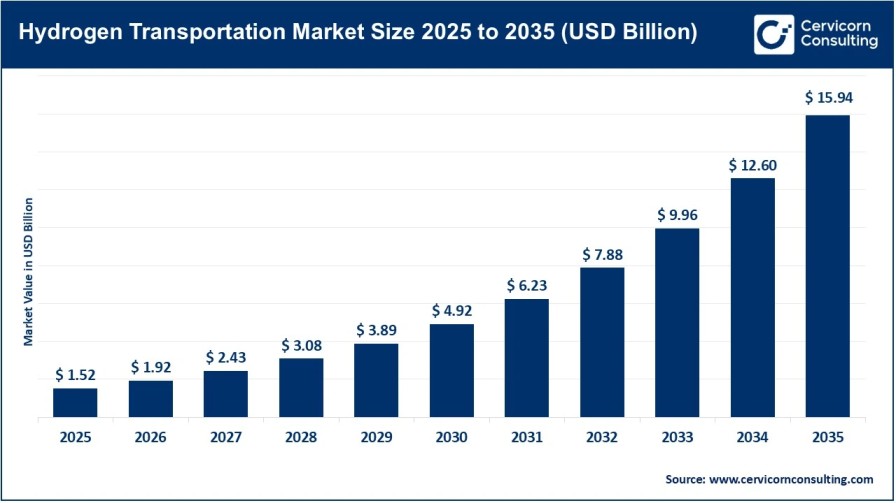
The global hydrogen transportation market was valued at approximately USD 1.52 billion in 2025 and is anticipated to reach around USD 15.94 billion by 2035, reflecting a strong compound annual growth rate (CAGR) of 26.5% from 2026 to 2035.
Read a Full Report: https://www.cervicornconsulting.com/hydrogen-transportation-market
Introduction to the Hydrogen Transportation Market
The hydrogen transportation market covers a broad range of technologies, infrastructure, and mobility solutions that rely on hydrogen as a clean fuel source. The market includes fuel-cell-powered passenger cars, public transit buses, commercial trucks, rail transportation, maritime vessels, and emerging hydrogen-powered aviation applications.
Hydrogen fuel cells generate electricity through a reaction between hydrogen and oxygen, producing water as the only direct byproduct. As countries intensify efforts to reduce carbon emissions and accelerate the transition to cleaner energy systems, hydrogen is increasingly viewed as a key enabler of sustainable transportation.
Beyond vehicles, the market encompasses hydrogen generation facilities, storage and distribution systems, transportation networks, fueling stations, and related support services. Growing concerns over climate change, energy security, and decarbonization objectives are driving investments across the entire hydrogen ecosystem.
Download a Free Sample Report: https://www.cervicornconsulting.com/sample/2963
Why Hydrogen Transportation Is Gaining Importance
Hydrogen mobility is becoming an essential component of global efforts to reduce emissions from the transportation industry. While battery-electric technologies continue to expand, hydrogen-powered solutions provide important advantages in applications that require extended operating ranges, quick refueling, and high payload capacity.
Fuel-cell electric vehicles (FCEVs) can typically be refueled within a few minutes, making them highly attractive for freight transportation, commercial vehicle fleets, public transportation systems, railway operations, and shipping industries. When hydrogen is produced from renewable energy sources, it offers a pathway toward near-zero-emission transportation.
In addition to environmental benefits, the hydrogen transportation sector supports economic development through innovation, employment generation, energy diversification, and reduced reliance on conventional fossil fuels.
Key Drivers Supporting Market Expansion
Several factors are contributing to the accelerated growth of the hydrogen transportation industry:
Increasing commitments to net-zero carbon and climate goals
More stringent emissions regulations worldwide
Rising investments in green hydrogen production facilities
Ongoing expansion of hydrogen fueling infrastructure
Growing deployment of fuel-cell-powered vehicles
Technological advancements that improve fuel-cell performance and affordability
Higher demand for zero-emission freight and logistics solutions
Government incentives, grants, and policy support programs
Strategic collaborations among automotive, energy, and technology companies
Commercial rollout of hydrogen-powered trucks and buses
Advances in hydrogen storage, transport, and distribution technologies
Greater public and private investment in hydrogen-related projects
National hydrogen roadmaps and development strategies across major economies
Leading Companies Shaping the Market
A number of global companies are playing a significant role in advancing hydrogen-powered transportation.
Toyota Motor Corporation
Toyota has established itself as a frontrunner in hydrogen mobility through the Mirai fuel-cell sedan and significant investments in hydrogen infrastructure and ecosystem development.
Hyundai Motor Group
Hyundai continues to strengthen its market presence through innovative products such as the NEXO fuel-cell SUV and the XCIENT hydrogen-powered commercial truck.
Honda Motor Co., Ltd.
Honda remains committed to hydrogen innovation, focusing on advanced fuel-cell technologies and future mobility applications.
Daimler Truck
Daimler Truck is investing heavily in hydrogen-powered heavy-duty transportation solutions designed to support low-emission freight operations.
BMW AG
BMW is actively exploring fuel-cell mobility through initiatives including the BMW iX5 Hydrogen project, helping expand the market for alternative clean transportation technologies.
Market Trends Driving Industry Transformation
Growing Adoption of Green Hydrogen
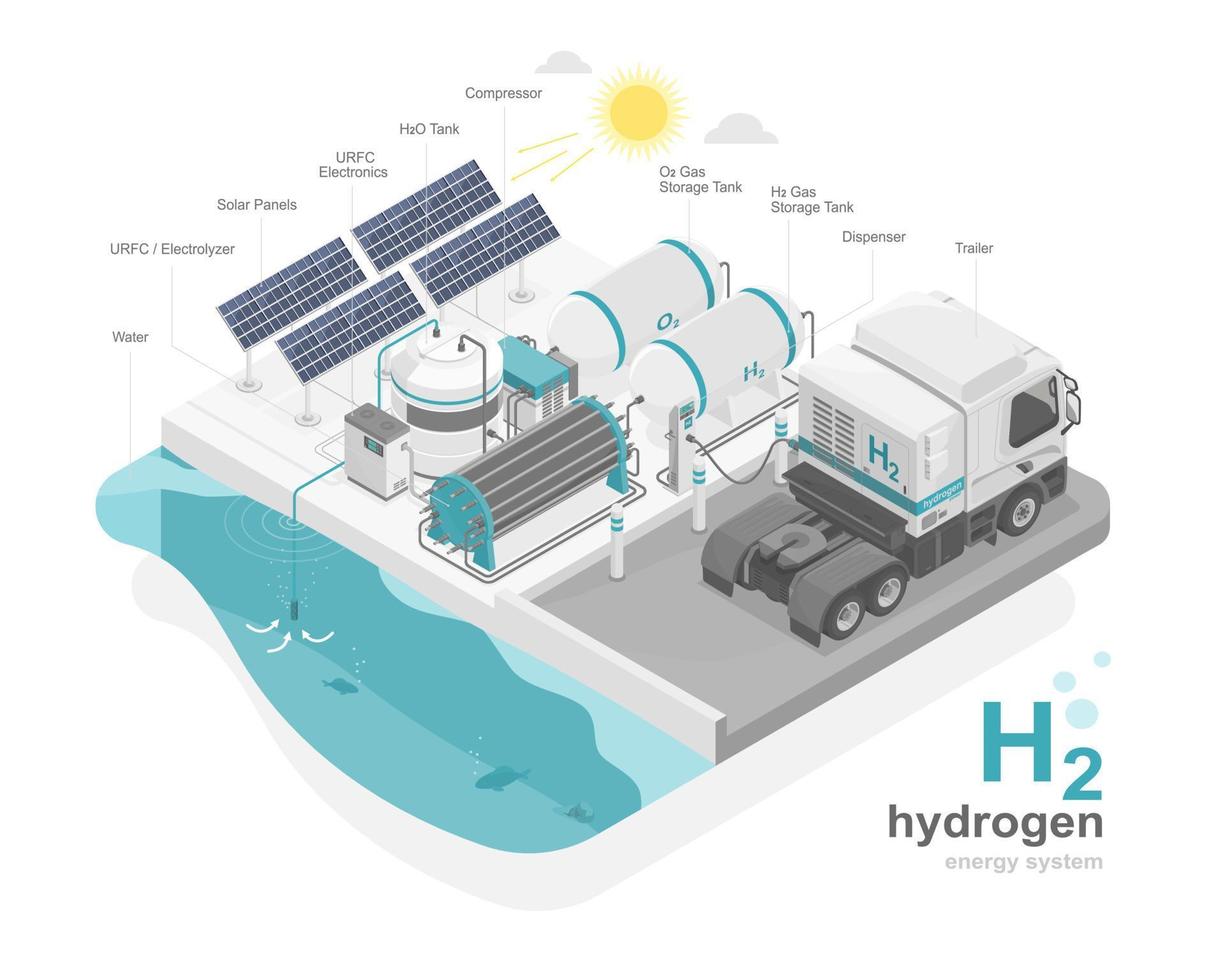
The development of renewable-powered electrolysis technologies is improving the availability and affordability of green hydrogen for transportation applications.
Benefits Include:
Reduced lifecycle carbon emissions
Improved environmental performance
Enhanced sustainability across transportation networks
Expansion of Hydrogen Refueling Infrastructure
Governments and private-sector stakeholders are investing in hydrogen fueling stations across major markets such as Japan, Germany, South Korea, China, and the United States.
Industry Impact:
Easier access to fueling facilities
Increased consumer and fleet operator confidence
Greater adoption of fuel-cell vehicles
Rise of Hydrogen-Powered Freight Vehicles
Heavy-duty hydrogen trucks are gaining momentum as logistics operators seek alternatives to diesel-powered fleets.
Key Advantages:
Significant reduction in transportation emissions
Faster refueling than many battery-electric alternatives
Improved suitability for long-distance routes
Hydrogen in Public Transportation
Cities around the world are increasingly deploying hydrogen-powered buses as part of clean mobility initiatives.
Benefits Include:
Cleaner urban transportation systems
Better air quality
Reduced diesel fuel consumption
Renewable Energy and Hydrogen Integration
Hydrogen is playing an expanding role as both a transportation fuel and an energy-storage solution.
Positive Outcomes:
Greater utilization of renewable energy
Enhanced energy system reliability
Development of integrated clean-energy infrastructures
Hydrogen Applications in Rail and Maritime Transport
Hydrogen-powered trains and ships are progressing from pilot projects to broader commercial adoption.
Market Benefits:
Reduced emissions in hard-to-electrify sectors
Lower dependence on fossil fuels
Increased demand for hydrogen fuel technologies
International Examples of Hydrogen Transportation Success
Japan: Leading the Hydrogen Transition
Japan has emerged as a global pioneer in hydrogen mobility through coordinated government policies, infrastructure development, and widespread adoption of fuel-cell vehicles.
South Korea: Expanding a National Hydrogen Economy
South Korea continues to advance hydrogen transportation through vehicle deployment initiatives and large-scale infrastructure investments.
Germany: Innovating Hydrogen Rail Transportation
Germany has become a leader in hydrogen-powered passenger rail services, replacing conventional diesel trains on selected routes.
China: Rapid Commercial Vehicle Adoption
China is accelerating deployment of hydrogen buses and trucks through policy support, financial incentives, and infrastructure expansion.
United States: California's Hydrogen Leadership
California remains a major hydrogen mobility hub, supported by progressive environmental policies and one of the most extensive hydrogen fueling networks in North America.
Netherlands: Developing Clean Freight Corridors
The Netherlands is investing in hydrogen-powered logistics corridors that connect major ports, industrial zones, and transportation hubs.
Regional Market Landscape
North America
The region continues to witness significant growth supported by investments in clean transportation technologies, hydrogen trucking programs, and favorable policy frameworks across the United States and Canada.
Europe
Europe remains a major center for hydrogen transportation development, backed by aggressive climate goals and substantial investments in infrastructure, hydrogen production, and vehicle deployment.
Asia-Pacific
Asia-Pacific represents the leading regional market, driven by strong governmental support, advanced manufacturing capabilities, and widespread adoption of fuel-cell technologies.
Latin America
Countries including Chile and Brazil are leveraging abundant renewable resources to develop green hydrogen projects that may support future transportation initiatives.
Middle East & Africa
Large-scale hydrogen investments in nations such as Saudi Arabia and the United Arab Emirates are positioning the region as an important contributor to the future global hydrogen economy.
Future Growth Opportunities
Several emerging segments are expected to create new avenues for market expansion:
Long-haul commercial trucking
Hydrogen-powered aviation projects
Maritime decarbonization initiatives
Sustainable public transportation networks
Smart-city mobility infrastructure
Renewable energy and hydrogen integration solutions
As investments continue to increase across governments, energy producers, infrastructure providers, and vehicle manufacturers, hydrogen transportation is expected to become a fundamental component of the future low-carbon mobility ecosystem.
For more information and customized market insights, visit: https://www.cervicornconsulting.com/contact-us