Are Solar Panels for Your House Worth the Investment
-

- Published Updated
- 3,825 views
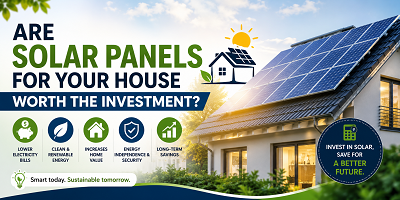
Rising electricity costs and growing interest in clean energy have encouraged more homeowners to explore renewable power options. Installing solar panels for house use can help homeowners generate their own electricity, reduce dependence on the grid, and potentially lower long-term energy expenses. However, before making the investment, it is important to understand the costs, benefits, and factors that determine whether solar is the right choice for your home.
How Do Residential Solar Panels Work?
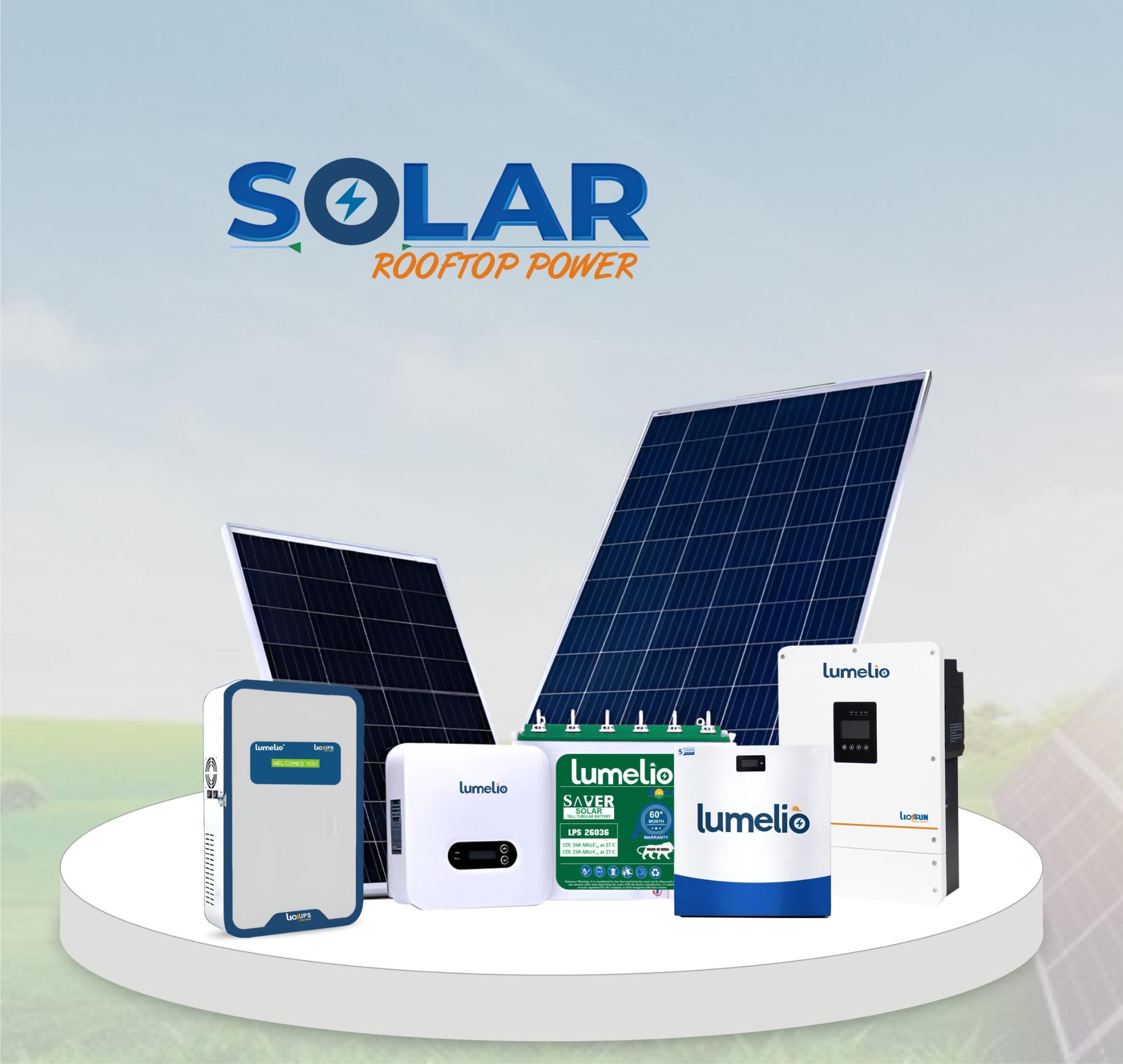
Solar panels capture sunlight and convert it into electricity that can be used to power your home. A typical residential solar system includes solar panels, an inverter, mounting equipment, wiring, and, in some cases, battery storage.
During daylight hours, the panels generate electricity for household appliances and devices. Depending on the system design and local utility rules, any excess electricity may be exported to the grid or stored in a battery for later use.
The amount of electricity a system produces depends on factors such as sunlight availability, panel efficiency, roof orientation, shading, and the size of the installation.
The Potential for Lower Electricity Bills
One of the main reasons homeowners consider solar power is the opportunity to reduce electricity costs. By generating a portion of your home's electricity on-site, you may need to purchase less power from your utility provider.
The actual savings will vary from one household to another. Homes with higher electricity usage and good access to sunlight may see greater benefits. Local electricity rates and net-metering or export policies can also affect the financial outcome.
It is important to review your current energy bills and estimate how much electricity your proposed solar system could generate before making a decision.
Solar Is a Long-Term Investment
Installing a solar energy system usually requires an upfront investment, although financing options may be available depending on your location. The value of the system should be evaluated over its expected lifetime rather than focusing only on the initial installation cost.
Solar panels are designed to operate for many years, although their output may gradually decline over time. Warranties, equipment quality, maintenance requirements, and installation standards can all influence the long-term value of the system.
When comparing quotes, homeowners should consider the complete cost of ownership, including equipment, installation, potential maintenance, financing costs, and available incentives.
Your Roof Plays an Important Role
Not every house is equally suited for solar panels. The condition, size, angle, and orientation of your roof can affect how much electricity the system produces.
A roof with significant shading from trees, nearby buildings, or other structures may generate less solar power. Roofs that need major repairs or replacement may also require attention before installation.
A professional site assessment can help determine whether your property is suitable and identify the best location for the panels.
Incentives Can Improve the Financial Value
Depending on where you live, government incentives, tax benefits, rebates, or other programs may reduce the upfront cost of a solar installation. These programs can significantly affect the overall return on investment.
Because incentives and regulations can change, homeowners should verify which programs are currently available in their area before making a purchasing decision.
It is also important to understand the eligibility requirements and whether the benefits apply to the equipment, installation, or financing arrangement you are considering.
Solar Can Increase Energy Independence
Solar power can help homeowners reduce their reliance on electricity purchased entirely from the grid. While a standard grid-connected system may not provide electricity during every type of outage, a system designed with battery storage may offer additional backup capabilities.
Energy independence can be particularly appealing in areas where electricity prices are high or utility rates are expected to increase over time.
For homeowners interested in greater control over their energy use, solar can be part of a broader strategy that includes energy-efficient appliances, insulation improvements, smart energy management, and battery storage.
Environmental Benefits Are Another Consideration
Solar energy generates electricity without burning fossil fuels during operation. By using solar power, homeowners can reduce their reliance on conventional electricity sources that may involve higher greenhouse gas emissions.
For many people, the environmental benefit is just as important as the potential financial savings. A residential solar system can support a household's sustainability goals while contributing to the wider transition toward cleaner energy.
What Factors Determine Whether Solar Is Worth It?
The answer depends on your individual circumstances. Before investing, consider the following factors:
- Your current and expected electricity usage
- Local electricity prices
- Available sunlight throughout the year
- Roof condition and available installation space
- Shading from trees or nearby buildings
- Equipment and installation costs
- Available incentives or rebates
- Financing options and interest costs
- Local net-metering or electricity export policies
- Expected system performance over time
A solar system that works well for one property may not deliver the same results for another. This is why a personalized assessment is more useful than relying only on general savings estimates.
How to Decide if Solar Is Right for Your Home
Start by reviewing at least 12 months of electricity bills to understand your household's energy consumption. Then, request a professional assessment or detailed proposal that estimates system size, expected electricity generation, costs, warranties, and projected savings.
It is a good idea to compare more than one provider and ask each company to explain how they calculated the proposed system size and savings estimates.
Avoid making a decision based only on the lowest price. The quality of the panels, inverter, installation, warranty coverage, and after-sales support can all affect the value of your investment.
Final Thoughts
So, are solar panels worth the investment? For many homeowners, the answer can be yes, particularly when the property has good solar potential, electricity costs are high, and the system is appropriately sized for household energy needs.
The key is to evaluate solar as a long-term investment rather than expecting immediate savings alone. By understanding your energy usage, comparing installation options, reviewing available incentives, and choosing quality equipment, you can make a more informed decision.
With the right planning and installation, solar power can offer a practical way to manage future energy costs, reduce reliance on traditional electricity sources, and move toward a more sustainable home.