Solar PV Inverters Market Growth: Driven by Renewable Energy Expansion and Smart Technology
-

- Published Updated
- 47 views
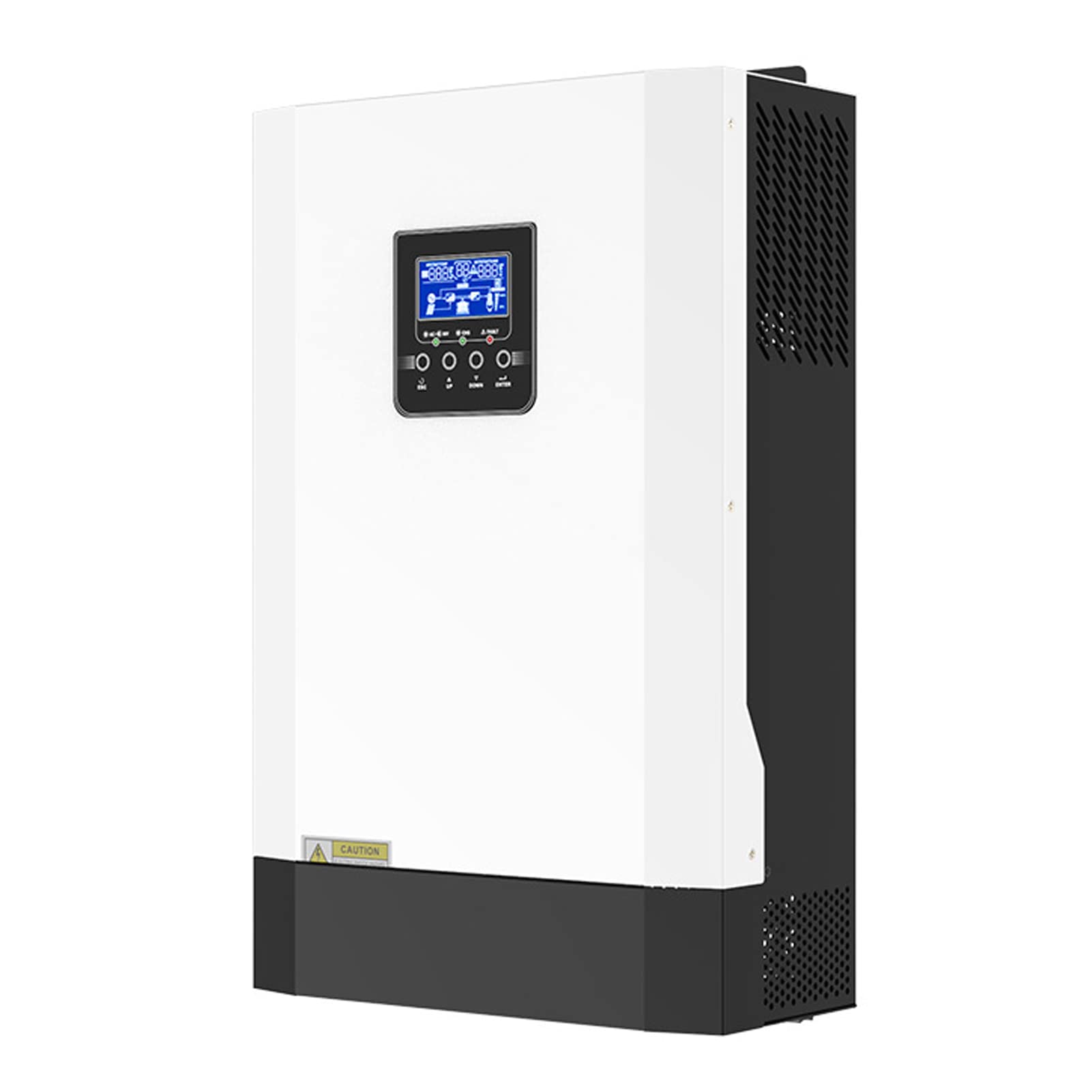
The global transition toward renewable energy is reshaping electricity generation, grid management, and energy infrastructure. Solar power has become an important part of this transformation, creating steady demand for technologies that can efficiently convert and manage electricity generated by photovoltaic systems. Solar PV inverters are central to this process because they convert direct current produced by solar panels into alternating current suitable for household, commercial, industrial, and utility applications.
The solar PV inverters market is experiencing growth as solar installations expand across residential rooftops, commercial facilities, industrial sites, and large-scale solar farms. Increasing investment in clean energy infrastructure, improvements in inverter efficiency, and the integration of digital monitoring capabilities are encouraging users to adopt advanced inverter technologies. At the same time, changing electricity consumption patterns and growing interest in distributed energy systems are creating additional opportunities for inverter manufacturers.
Rising Solar Power Deployment
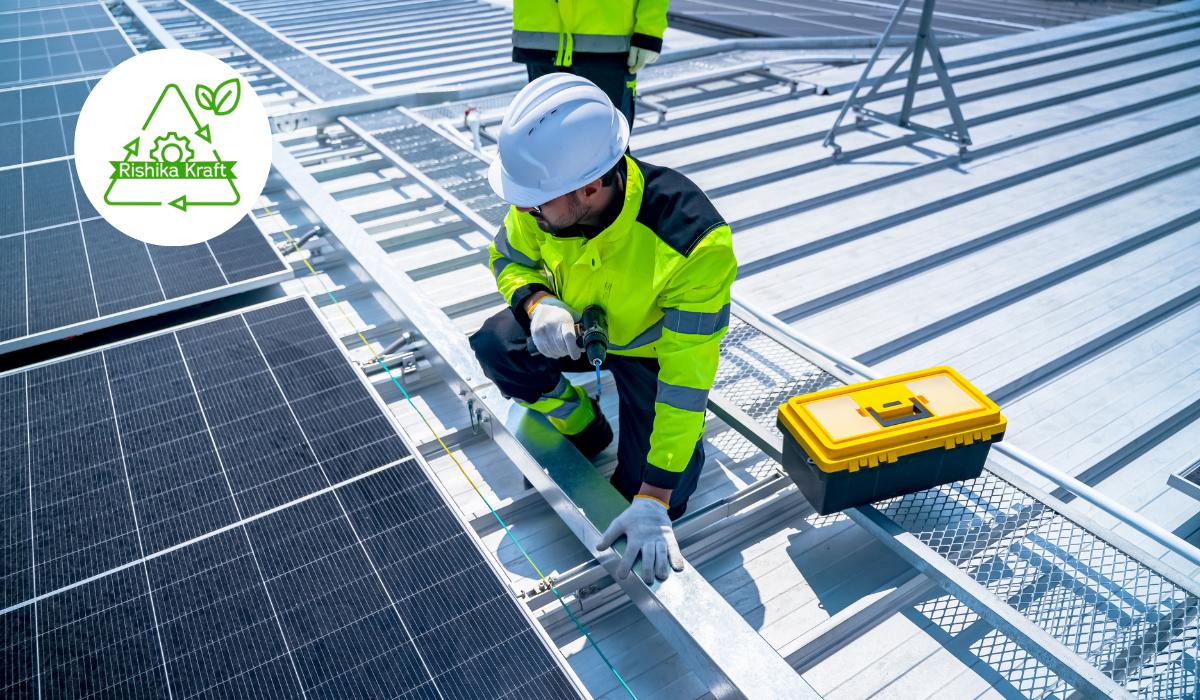
One of the strongest factors supporting market expansion is the continued deployment of solar photovoltaic capacity. Governments, utilities, businesses, and households are increasingly considering solar generation as part of their energy strategies. New rooftop installations and large utility-scale projects require reliable power conversion equipment, directly supporting demand for inverters.
Residential solar systems are contributing to this development as homeowners seek greater control over electricity costs and energy consumption. In commercial and industrial settings, solar installations can help organizations manage operating expenses while supporting sustainability objectives. Large-scale projects require high-capacity inverter solutions capable of handling significant power output, creating opportunities across several product categories.
As solar generation becomes more integrated into electricity networks, inverter technology is moving beyond basic power conversion. Modern systems can provide monitoring, grid-support functions, fault detection, and communication capabilities, increasing their importance within renewable energy infrastructure.
Technology Supporting Market Growth
Technological development is playing a major role in the evolution of the solar PV inverters market. Manufacturers are focusing on improving conversion efficiency while reducing equipment size, installation complexity, and maintenance requirements. Higher efficiency allows solar systems to make better use of available generation, particularly in installations where space or operating conditions are challenging.
Smart inverters are also gaining attention because they can communicate with energy management systems and provide information about system performance. Remote monitoring allows operators to identify performance issues more quickly and manage equipment without relying entirely on physical inspections.
Artificial intelligence, advanced sensors, cloud-based platforms, and predictive maintenance tools are further expanding inverter capabilities. These technologies can help identify unusual operating conditions and support better asset management. As digitalization progresses, inverter systems are increasingly becoming intelligent components within broader energy ecosystems.
Growing Demand for Energy Storage Integration
Energy storage is another factor influencing inverter development. Solar generation varies according to sunlight availability, while electricity demand can continue after sunset. Battery storage can help bridge this gap, creating demand for inverter solutions capable of coordinating solar generation and stored electricity.
Hybrid inverters that manage photovoltaic generation and batteries are becoming increasingly relevant for residential and commercial applications. These systems can provide greater flexibility by controlling when electricity is consumed, stored, or supplied to the grid.
The growing connection between solar generation, batteries, electric vehicles, and smart energy management systems is encouraging manufacturers to develop more adaptable inverter platforms. This convergence can support demand for equipment capable of managing multiple sources and destinations of electrical power.
Utility-Scale Projects Create New Opportunities
Large solar farms represent an important area of expansion for the solar PV inverters market. Utility-scale projects require equipment capable of operating reliably under demanding conditions and handling substantial electricity output.
Central inverters and high-capacity string inverter systems are being developed with greater emphasis on efficiency, durability, grid compatibility, and simplified maintenance. Project developers are also looking for solutions that can support complex system configurations while minimizing downtime.
As solar farms become larger and more sophisticated, inverter performance can influence overall plant productivity. Manufacturers therefore have opportunities to differentiate products through advanced thermal management, improved power conversion, enhanced monitoring, and flexible grid-support capabilities.
Distributed Solar Strengthens Adoption
Distributed solar generation is another important contributor to market growth. Instead of relying exclusively on large centralized power plants, electricity systems are increasingly incorporating generation closer to consumers.
Rooftop solar installations can be deployed across homes, offices, warehouses, schools, manufacturing facilities, and other buildings. Each installation requires suitable power conversion equipment, creating a broad customer base for inverter manufacturers.
Microinverters and module-level power electronics can provide additional flexibility for certain rooftop applications. By managing individual panels or smaller groups of panels, these technologies can help address differences in shading, orientation, and system performance. Their adoption may increase as customers seek more granular monitoring and greater flexibility in system design.
Regional Expansion and Emerging Markets
Solar deployment is expanding across both established and emerging energy markets. Regions with strong renewable energy policies and mature solar industries continue to invest in new capacity, while developing markets are increasing solar adoption to address electricity demand and energy access.
In emerging economies, distributed solar can provide an alternative or supplement to traditional grid infrastructure. Commercial and industrial users may also adopt solar systems to improve energy resilience and manage electricity costs.
This geographic diversification creates opportunities for inverter suppliers to develop products suited to different climates, grid conditions, installation types, and regulatory requirements. Local manufacturing and distribution capabilities may also become increasingly important as demand expands.
Challenges Affecting Growth
Despite strong opportunities, the solar PV inverters market faces several challenges. Price competition can place pressure on manufacturers, particularly as customers seek cost-effective solutions. Inverter systems must also operate reliably for extended periods, making durability and warranty performance important considerations.
Grid integration can create additional technical requirements. As the proportion of solar generation increases, utilities may require inverters to provide specific voltage, frequency, communication, and grid-support functions. Manufacturers must therefore continue adapting products to evolving technical standards.
Supply chain conditions, component availability, installation expertise, and cybersecurity requirements can also influence market development. Addressing these issues will require continued investment in engineering, manufacturing, software, and service capabilities.
Future Growth Outlook
The future of the solar PV inverters market will be closely connected to the expansion of solar power, energy storage, distributed generation, and intelligent electricity management. Inverters are increasingly becoming multifunctional devices rather than simple conversion equipment.
Greater integration with batteries, electric vehicles, smart buildings, and digital energy platforms could broaden their role within modern power systems. Manufacturers that focus on efficiency, reliability, connectivity, cybersecurity, and flexible system integration can find opportunities across residential, commercial, industrial, and utility applications.
Overall, market growth is being supported by the wider adoption of solar energy and the increasing sophistication of photovoltaic installations. As renewable electricity becomes more deeply integrated into everyday energy infrastructure, advanced inverter technologies are expected to remain an essential part of the transition toward flexible and digitally managed power systems.
Learn More : https://www.pristinemarketinsights.com/solar-pv-inverters-market-report