Commercial Solar Power Installation in Gurgaon: A Complete Guide for Businesses
-

- Published Updated
- 3,405 views
Direct Answer
A commercial solar installation should begin with an assessment of electricity consumption, rooftop space, shading, structural conditions, and electrical infrastructure. Businesses should then evaluate system capacity, panel and inverter specifications, mounting structures, installation quality, safety, monitoring, warranties, and maintenance. Comparing complete project proposals can help businesses select a solar system that matches their operational requirements and available rooftop conditions.
Introduction
Electricity is an important operating cost for many businesses. Offices, factories, warehouses, hospitals, educational institutions, retail buildings, and other commercial properties may have substantial electricity consumption during working hours.
Rooftop solar can provide an opportunity to generate electricity using available roof space. However, successful implementation requires more than purchasing solar panels. The project needs appropriate system design, equipment selection, structural planning, electrical integration, professional installation, testing, and ongoing monitoring.
Businesses planning Commercial Solar Power Installation in Gurgaon should therefore evaluate the complete project before making a decision. The right system should be based on actual electricity consumption, usable rooftop space, shading, roof conditions, electrical requirements, and long-term operational needs.
Why Commercial Solar Installation Requires Planning
A commercial property is different from a residential building. It may have:
Higher electricity consumption
Larger rooftop areas
Multiple electrical loads
Longer operating hours
Existing rooftop equipment
More complex electrical infrastructure
Business continuity requirements
Because of these factors, a detailed assessment should be completed before finalising the solar system.
Step 1: Assess Electricity Consumption
The first stage is understanding how much electricity the business actually uses.
Review:
Monthly electricity bills
Average consumption
Daytime electricity usage
Business operating hours
Seasonal consumption
Future energy requirements
Daytime consumption can be particularly relevant for businesses considering rooftop solar because system generation occurs during daylight hours.
Step 2: Evaluate the Rooftop
A rooftop assessment should identify the space that can realistically be used for solar panels.
The assessment may consider:
Roof dimensions
Orientation
Shading
Roof condition
Parapet walls
Water tanks
HVAC equipment
Existing structures
Access pathways
Maintenance space
A roof should not be filled entirely with panels if doing so makes inspection and maintenance difficult.
Step 3: Determine System Capacity
Solar capacity should be selected according to the property's energy requirements and site conditions.
The design can consider:
Electricity consumption
Daytime load
Rooftop area
Panel specifications
Shading
Electrical load
Roof structure
Future requirements
The goal should be to create an appropriately sized system rather than simply choosing the largest available capacity.
Choosing Commercial Solar Panels
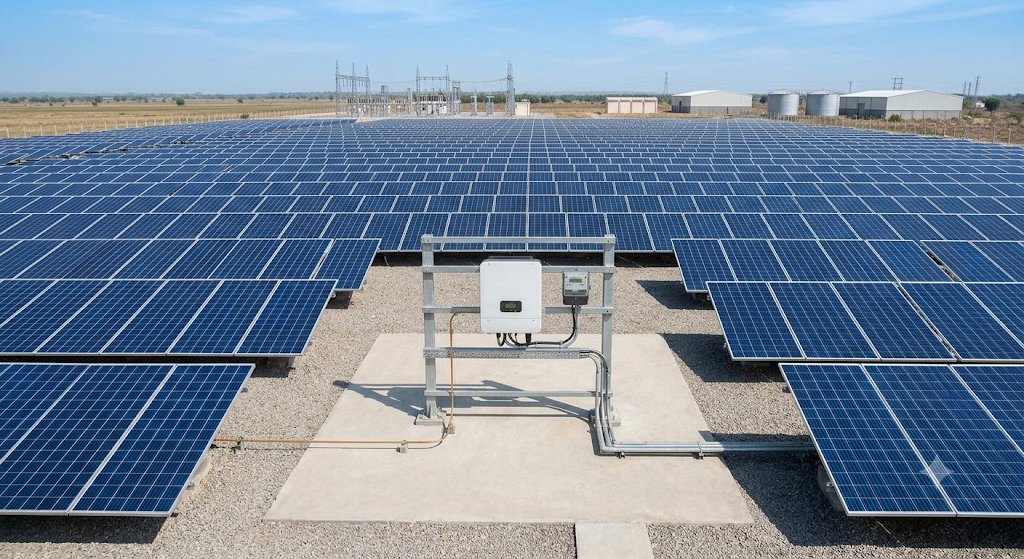
Businesses researching Commercial Solar Panel in Gurgaon options should compare technical specifications carefully.
Important factors include:
Power rating
Efficiency
Panel technology
Dimensions
Warranty
Installation requirements
Compatibility with the inverter
Panel selection should form part of the overall system design.
Understanding the Role of an EPC Partner
A commercial solar project can involve engineering, procurement, construction, installation, testing, and commissioning.
A Solar EPC Company in Gurgaon may coordinate these stages under a single project structure.
Engineering
This can include:
Site assessment
System sizing
Panel layout
Electrical design
Structural planning
Procurement
Major equipment can include:
Solar panels
Inverters
Mounting structures
Cables
Protection equipment
Monitoring systems
Construction
Construction may involve:
Structure installation
Panel installation
Electrical connections
Testing
Commissioning
Businesses should always review the exact scope before signing an EPC agreement.
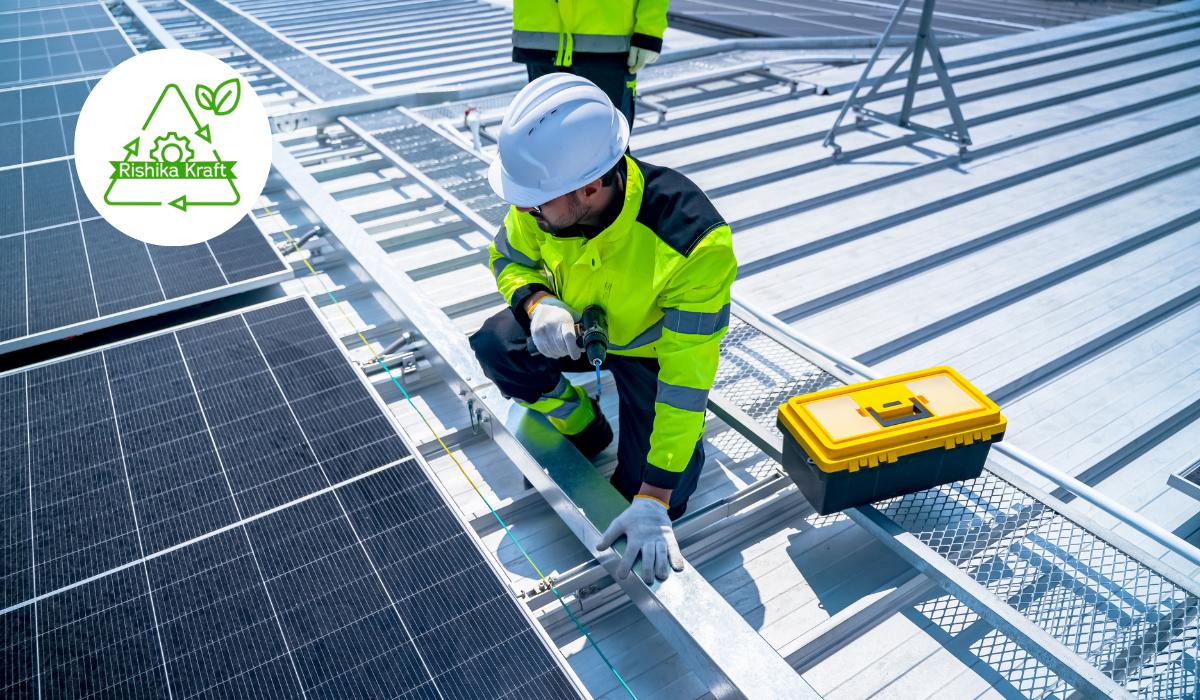
Installation Quality and Safety
Professional installation is important for reliable system operation.
Important areas include:
Secure mounting structures
Correct panel positioning
Appropriate cable routing
Proper electrical connections
Electrical protection
Suitable earthing
Safe inverter placement
Weather-resistant connections
Maintenance access
Safety should be considered from the design stage rather than only after installation is complete.
Managing Installation Around Business Operations
Commercial properties usually need to continue their normal activities during construction.
Before work begins, discuss:
Installation schedule
Rooftop access
Material movement
Worker access
Electrical shutdown requirements
Equipment storage
Safety procedures
Maintenance pathways
Proper scheduling can help reduce unnecessary disruption to employees, customers, and daily operations.
How to Compare Solar Installation Providers
Businesses comparing Solar Rooftop Companies in Gurgaon should review the complete proposal rather than focusing only on the quoted price.
Factor |
What to Check |
Site Survey |
Is a detailed assessment included? |
System Capacity |
How was the capacity calculated? |
Panels |
Are specifications clearly mentioned? |
Inverter |
Is capacity appropriate? |
Structure |
Is it suitable for the roof? |
Installation |
What work is included? |
Safety |
What protection measures are planned? |
Monitoring |
Can performance be tracked? |
Warranty |
What is covered? |
Maintenance |
What support is available? |
This makes it easier to compare proposals on a like-for-like basis.
Testing and Commissioning
Before the system is placed into regular operation, testing should be completed.
The project team may check:
Electrical connections
Inverter operation
System configuration
Protection equipment
Monitoring
Overall system functionality
Commissioning helps ensure that the installed system corresponds with the approved design.
Monitoring and Maintenance
Solar systems should be monitored after installation to identify potential performance issues.
Ongoing activities may include:
Monitoring generation
Panel cleaning
Visual inspection
Checking cables
Inspecting mounting structures
Reviewing inverter alerts
Checking electrical connections
The exact maintenance requirements depend on the equipment, site conditions, environment, and system design.
Common Mistakes to Avoid
Choosing Only by Price
A low quotation may include different equipment or a smaller service scope.
Ignoring Electricity Consumption
System capacity should be based on actual energy requirements.
Not Assessing Shading
Nearby structures can affect panel placement and generation.
Ignoring Roof Condition
The rooftop should be suitable for the proposed installation.
Not Comparing Equipment
Panel and inverter specifications can vary between proposals.
Forgetting After-Sales Support
Businesses should understand how service and maintenance requests will be handled after installation.
Questions to Ask Before Starting the Project
Before approving a commercial solar project, ask:
How was the system capacity calculated?
Has the rooftop been assessed?
Which panels are proposed?
Which inverter is proposed?
What mounting structure will be used?
What electrical protection is included?
What installation work is included?
Is testing and commissioning included?
What warranties are provided?
What after-sales support is available?
Clear answers can make the investment decision easier and more transparent.
FAQs
Is commercial rooftop solar suitable for every business?
Not necessarily. Electricity consumption, roof condition, usable space, shading, structural suitability, and electrical infrastructure should be evaluated first.
How is commercial solar capacity determined?
Capacity is generally planned around electricity consumption, daytime load, rooftop availability, shading, equipment specifications, and project requirements.
What should be included in a commercial solar quotation?
A detailed quotation should explain system capacity, major equipment, mounting structure, installation scope, testing, warranties, monitoring, and applicable exclusions.
Why is rooftop assessment important?
It identifies usable space, shading, roof conditions, obstacles, access requirements, and other factors that can affect system design.
Does a commercial solar system need maintenance?
Periodic cleaning, inspection, monitoring, and checking system components can help maintain reliable operation.
Should businesses compare multiple solar proposals?
Yes. Comparing complete technical and commercial proposals can help identify differences in equipment, installation scope, warranty, monitoring, and support.
Conclusion
A commercial solar project should be treated as a long-term energy investment rather than simply a panel installation. Electricity consumption, rooftop suitability, system capacity, equipment specifications, structural requirements, electrical infrastructure, safety, monitoring, and maintenance all need to be considered before implementation.
Businesses should compare complete proposals and understand exactly what is included in the project. A transparent approach can help avoid unsuitable system sizing and unexpected costs. Rishika Kraft Solar can help businesses explore solar solutions based on their property conditions, electricity requirements, and long-term energy objectives.