Solar Rooftop Installation for Businesses: Costs, Benefits, and Practical Steps
-

- Published Updated
- 1,261 views
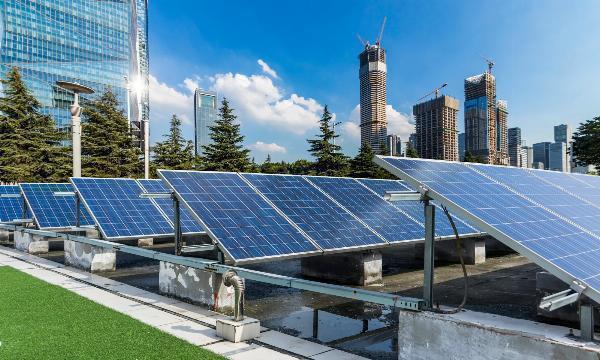
Adopting solar rooftop installation can help businesses lower energy bills, support sustainability targets, and increase operational resilience. This overview explains common benefits, practical considerations for commercial rooftops, and how incentives and regulations affect project feasibility.
- Solar rooftop installation reduces on-site electricity costs and can stabilize energy expenses.
- Options include grid-tied systems, storage-enhanced systems, and combined energy-efficiency measures.
- Project viability depends on roof condition, local incentives, permitting, and utility policies.
Main benefits of solar rooftop installation for businesses
Solar rooftop installation offers several direct and indirect advantages for commercial properties. Primary operational benefits include lower electricity bills through on-site generation, reduced exposure to wholesale price volatility, and potential savings on demand charges when systems are paired with batteries or managed load strategies. Environmental benefits include reductions in greenhouse gas emissions and support for corporate sustainability or ESG reporting.
Cost savings and predictable energy spending
On-site solar can offset a portion of a facility's electricity consumption, producing immediate bill reductions when generation displaces retail electricity. Over time, predictable production profiles can make energy budgeting simpler. Payback periods vary by location, system size, and local electricity rates; many businesses evaluate solar alongside energy-efficiency upgrades to maximize value.
Operational resilience and backup power
When paired with battery storage or integrated with backup generators, rooftop solar can contribute to business continuity during grid outages. Resilience benefits depend on system design, storage capacity, and required transfer equipment. Facilities with critical loads often prioritize resiliency as a factor in system sizing.
Environmental and reputational benefits
Installing solar supports corporate sustainability goals by lowering scope 2 emissions associated with purchased electricity. Public disclosure of renewable generation can strengthen stakeholder relations and meet reporting frameworks used by investors and regulators. Emissions reductions and lifecycle performance are documented by organizations such as the International Energy Agency (IEA) and national energy agencies.
Technical and regulatory considerations
Roof suitability and structural assessment
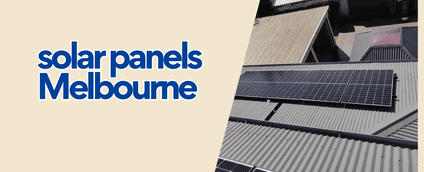
Not all roofs are suitable for PV arrays. A structural engineer or qualified installer should assess roof age, load capacity, shading, orientation, and available area. Flat, low-slope, and some metal roofs commonly host commercial solar arrays with mounting systems designed for wind and snow loads.
Permits, interconnection, and utility policies
Local building codes, permitting requirements, and utility interconnection procedures influence project timelines and costs. Net metering, feed-in tariffs, or time-of-use rates affect the financial outcome; utility tariffs that include demand charges require careful system and operational planning to achieve savings.
Operations, maintenance, and warranties
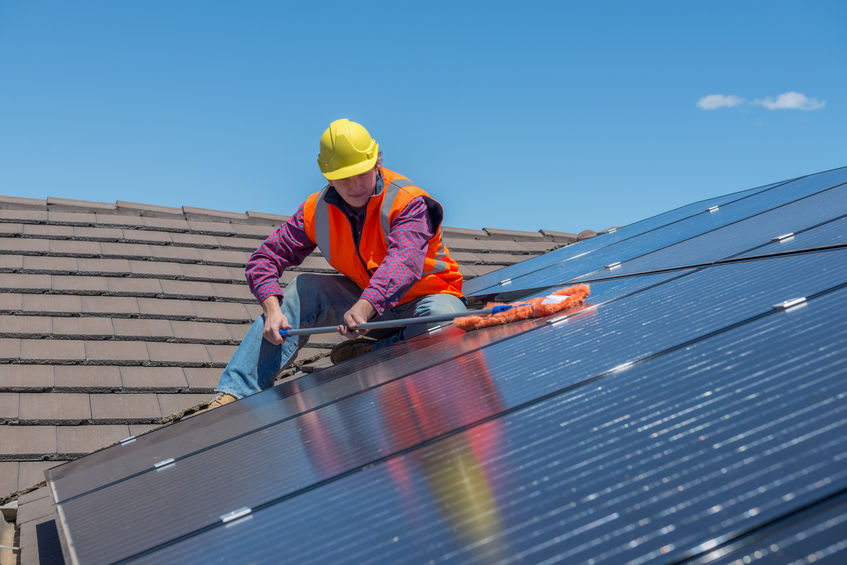
Commercial PV systems require routine inspections, inverter maintenance, and occasional cleaning to maintain expected output. Performance warranties, equipment lifespan, and monitoring systems help preserve value over the lifetime of the installation.
Financial incentives and business models
Incentives, rebates, and procurement options
Many jurisdictions offer incentives such as rebates, grants, or performance-based payments to support commercial solar adoption. Options for procurement include direct purchase, leasing, power purchase agreements, and third-party ownership models. Each approach distributes capital costs, tax benefits, and operational responsibilities differently.
Assessing project feasibility
Feasibility depends on capital availability, expected electricity price escalation, available roof area, and local incentives. Site-specific modeling and a commercial energy audit can clarify expected generation, savings, and timelines. For authoritative information about federal and state-level programs in the United States, see the U.S. Department of Energy's resources on solar energy.
Reference: U.S. Department of Energy.
Steps to evaluate and implement a rooftop solar project
Initial screening
Review roof orientation, shading, and usage; collect historical electricity bills to estimate baseline consumption; and check local permitting and interconnection rules. High electricity users on sunny roofs tend to see the most immediate benefits.
Detailed design and procurement
Work with qualified solar engineers or installers to produce a system design, generation estimate, and budget. Compare proposals on expected output, equipment specifications, warranties, and after-sales service. Consider including battery storage if resilience or demand charge reduction is a priority.
Installation and commissioning
Coordinate permitting, structural upgrades if needed, and safety planning. After installation, commissioning verifies system performance and enables monitoring to confirm expected generation and savings.
Risks and limitations
Potential barriers include roof replacement needs, shading that reduces output, complex permitting environments, and upfront capital costs. Operational savings are influenced by local electricity rates and tariff structures. Long-term planning should account for system degradation and end-of-life considerations such as module recycling and equipment replacement.
Frequently asked questions
What is solar rooftop installation and how can it benefit a business?
Solar rooftop installation refers to photovoltaic panels mounted on the roof of a commercial building to generate electricity on-site. Benefits can include lower electricity bills, reduced emissions, improved energy resilience when paired with storage, and support for sustainability reporting. Actual results depend on system size, local sunlight, utility rates, and applicable incentives.
How long does a commercial solar system last?
Most PV modules are warranted for 20 to 25 years for performance, though panels can continue producing electricity beyond that period at reduced efficiency. Inverters and batteries typically have shorter service lives and may require replacement within the system lifecycle.
Are there zoning or permit issues to consider?
Yes. Local building codes, fire department requirements, and utility interconnection standards can affect design and permitting. Early engagement with local regulators and the utility can prevent delays.
How can a business find reliable installers and verify claims?
Select installers with commercial experience, request references from comparable projects, review equipment specifications and warranties, and confirm licensing and insurance. Third-party performance monitoring and clear contract terms help verify expected outcomes.