Sprayground Clothing and Sprayground Hoodie: How Personal Expression Shapes Streetwear
-
- Published Updated
- 66 views
Ask ten streetwear fans why they dress the way they do, and you will likely hear ten different answers. Some want comfort, some want to stand out, some want to signal a scene they belong to. What connects them is the idea that clothes are a form of communication. This article looks at how personal expression drives streetwear, how to find your own version of it, and how to keep your style honest instead of borrowed.
Personal Expression in Sprayground Clothing
Streetwear gives wearers more room to express themselves than most clothing categories, and Sprayground clothing fits that approach with bold visuals and relaxed shapes that you can style in many directions. Rather than prescribing one look, the pieces work as raw material: you decide whether to go quiet or loud, layered or simple, matched or mixed. That freedom is what makes streetwear feel personal and why two people can wear the same piece and look nothing alike.
Expression and Signaling: What Fashion Psychologists Say
It helps to know that clothing choices serve more than one purpose. A Harper’s Bazaar India feature that interviews fashion experts notes that researcher Karen Pine finds people feel more empowered when what they wear matches how they see themselves. The same piece adds that dressing is not always about self-expression and can sometimes be about social signaling. You can read the full discussion in Harper’s Bazaar India’s article on the psychology of outfit choices. In practice, most outfits blend both motives, so it is worth asking yourself which one is driving a given purchase.
Why a Sprayground Hoodie Makes a Good Canvas
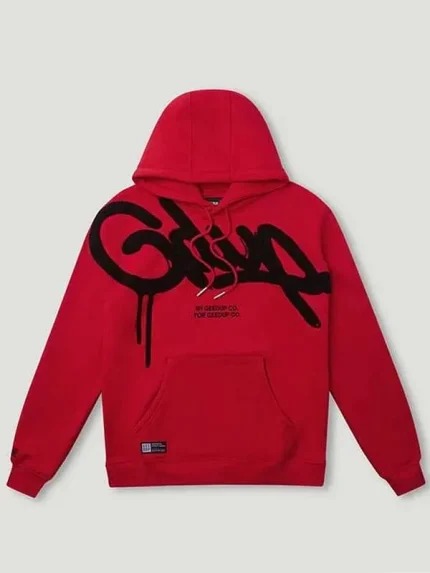
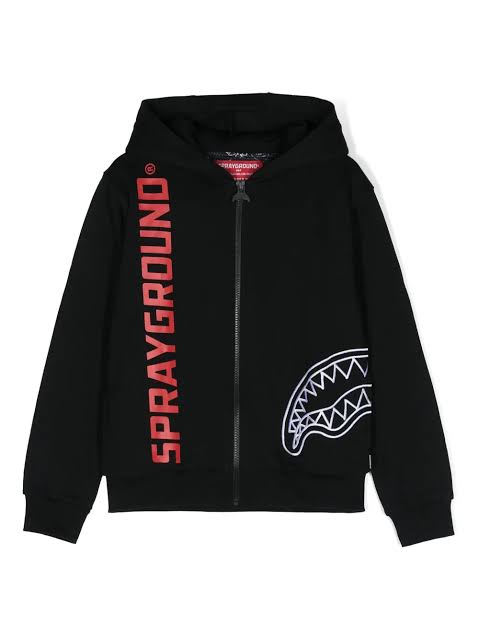
A Sprayground hoodie works well as a base for personal style because it is familiar and flexible. The silhouette is easy to wear, and the graphic gives you an immediate starting point. From there, small decisions personalize it: whether you wear it oversized or fitted, open or zipped, with a cap or a beanie, with worn-in sneakers or clean ones. Each choice adds a layer of your own taste on top of the design.
The Expression Spectrum
Personal expression does not have to be loud. Think of it as a spectrum with four levels:
Quiet: your signals come from fit, fabric, and color. Nothing shouts, but everything is deliberate.
Detail-driven: simple clothes plus meaningful extras, such as a specific cap, chain, or pair of socks.
Graphic-led: one standout print leads the outfit, with neutral basics around it.
Statement: several expressive elements work together, with color and layers carefully coordinated.
None of these is better than the others. Most people move along the spectrum depending on the day, the setting, and their mood.
A 15-Minute Exercise to Find Your Style
If you are unsure what your personal style is, try this:
Pull out your ten most-worn pieces and lay them on a bed or table.
Note what they share: colors, fits, fabrics, or graphics.
Remove anything you wear out of habit rather than enjoyment.
Pick one piece that feels most like you and build three outfits around it.
Photograph the outfits and compare which one you would choose again.
The result is a clearer idea of what you already like, which is a better starting point than any trend list.
Expressing Yourself Without Chasing Approval
Many people hold back because they worry about what others will think. That worry is normal, but it can flatten your style. A useful test is to ask whether you would still choose the piece if nobody commented on it. If the answer is yes, wear it. If you would only buy it for reactions, think twice. Style that holds up over time usually comes from what you like, not from what earns the most attention in the moment.
Common Mistakes to Avoid
Copying a full outfit from a feed instead of borrowing one idea.
Wearing several expressive pieces at once, which splits attention.
Buying for a persona you think you should have instead of the life you actually lead.
Ignoring fit, which can undermine even the best graphic.
Conclusion
Personal expression is what turns clothing into style. Streetwear invites you to experiment, adjust, and settle on what feels right, whether that is a quiet outfit with one meaningful detail or a full statement look. Start with pieces you genuinely like, pay attention to how they make you feel, and let your style develop gradually. The result will be a wardrobe that reflects you.
Frequently Asked Questions
What does personal expression mean in streetwear?
It means choosing graphics, fits, colors, and accessories that reflect your own taste, rather than following a fixed dress code.
How do I find my personal style?
Look at the clothes you already wear most, identify what they share, and build new outfits around the piece that feels most like you.
Can I express myself without wearing loud graphics?
Yes. Fit, color choices, and small details like caps, socks, or layers can express personality as clearly as a large print.
Why do I feel nervous wearing something bold?
Many people worry about being judged. Try bold pieces in low-pressure settings first, and keep the rest of the outfit simple until you feel comfortable.
How often should I change my style?
Whenever it feels right. Personal style evolves, and small updates over time usually work better than complete overhauls.