How to Choose a Stainless Steel Pipes Supplier in Mumbai: Complete Buyer’s Guide
-
- Published Updated
- 1,442 views
How to choose a stainless steel pipes supplier in Mumbai
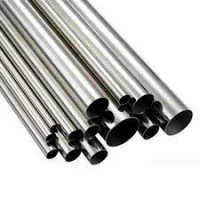
Finding a reliable stainless steel pipes supplier in Mumbai requires understanding material grades, testing standards, local logistics and supplier capabilities. This guide explains how to compare stockists, manufacturers and exporters while checking certifications, mill test reports and delivery options common to the Mumbai market.
- Define required grades (304, 316, 321), dimensions (OD, ID, wall thickness) and end finishes before contacting suppliers.
- Verify quality via Mill Test Certificates (MTC), third-party inspection reports and relevant standards (BIS, ASTM, EN).
- Compare lead times, stock availability at Mumbai ports or warehouses, and after-sales services like cutting, polishing or welding support.
Understand the product and specifications
Common stainless steel grades and types
Most industrial and architectural projects require grades such as 304 (austenitic general purpose) or 316 (higher corrosion resistance). Other grades include 304L, 316L, duplex grades and 321 for elevated temperatures. Decide between seamless and welded (ERW, welded spiral) pipes based on pressure, application and code requirements.
Key dimensional and performance specs
Specify outer diameter (OD), inner diameter (ID), wall thickness or schedule, length, tolerance, and end preparations (bevel, plain, threaded). For pressure applications, include allowable stress and hydrostatic testing criteria.
Quality assurance, standards and documentation
Standards and certifications to request
Look for compliance with national and international standards such as IS/ISO/ASTM/EN. Verify supplier quality systems (ISO 9001) and request Mill Test Certificates (MTC) covering chemical and mechanical test results. National regulators and standards bodies include the Bureau of Indian Standards and ASTM International for reference specifications.
For official specifications, consult the Bureau of Indian Standards: Bureau of Indian Standards (BIS).
Inspection and testing
Require visual inspection, dimensional checks, hydrostatic or pneumatic tests for pressure pipes, and non-destructive testing (NDT) such as radiography or ultrasonic testing where applicable. Third-party inspection by accredited firms (for example, SGS, DNV) can add credibility for large orders.
Where to source stainless steel pipes in Mumbai
Local stockists and distributors
Mumbai hosts many metal stockyards and distribution centers that offer ready stock, cutting and minor fabrication. Stockists are useful for small-to-medium orders and fast turnaround.
Direct manufacturers and mills
Buying from manufacturers or authorised converters can lower cost per unit for large volumes and provide access to custom grades, annealing, pickling and welding services. Confirm factory audit reports and capacity to meet required tolerances.
Exporters and port logistics
For international procurement or large imports, consider suppliers experienced with shipping through Mumbai’s ports (including container and breakbulk handling). Verify export documentation, packing for sea transport and familiarity with customs procedures.
Pricing, payment terms and contract points
How pricing is determined
Price depends on grade, wall thickness, length, finish, market stainless steel price (nickel content affects cost) and fabrication services. Request itemised quotations showing raw material, processing, testing and packing charges.
Payment and delivery terms to negotiate
Standard terms include advance percentage, LC or bank-guaranteed instruments for larger contracts. Confirm lead time, partial deliveries, inspection acceptance criteria and terms for rejected or non-conforming material.
Practical checks and red flags
Questions to ask every prospective supplier
- Can the supplier provide recent Mill Test Certificates and production heat numbers matching delivered pipes?
- Are third-party inspection reports available, and what NDT methods were used?
- What after-sales support and returns policy applies for off-spec deliveries?
Red flags
Avoid suppliers who cannot supply traceable MTCs, refuse third-party inspection for large orders, or show inconsistent sample quality. Extremely low prices without clear scope often indicate lower-grade materials or hidden charges.
Logistics, storage and on-site considerations
Handling and storage
Ensure rust-free storage, separation of different grades to prevent cross-contamination, and protection from welding spatter and acidic environments. For polished or passivated surfaces, confirm protective coverings during transit.
On-site fabrication
Discuss cutting, beveling, welding procedures, and post-weld treatments. Specify filler metals compatible with selected stainless grade and request welding procedure specifications (WPS) if welding is part of the work scope.
Supplier selection checklist
- Confirm grade availability (304/316 etc.) and seamless vs welded types.
- Obtain MTCs, inspection reports and quality system certifications.
- Verify stock levels and lead times at the Mumbai warehouse or port.
- Ask for sample pieces and conduct independent testing for critical projects.
- Agree payment terms, delivery schedule and acceptance criteria in writing.
Conclusion
Selecting a stainless steel pipes supplier in Mumbai is a balance of technical specification, verified quality documentation and reliable logistics. Prioritise traceability, independent inspection, and clear contractual terms to reduce supply risk and ensure the material meets project requirements.
How to verify a stainless steel pipes supplier in Mumbai?
Request Mill Test Certificates, confirm heat numbers against physical tags, commission third-party inspection for large orders, and review supplier quality certifications such as ISO 9001. Visit the supplier’s warehouse or plant when possible and check references from past clients with similar applications.
What grades of stainless steel pipes are commonly available in Mumbai?
Common grades include 304/304L for general use, 316/316L for higher corrosion resistance, 321 for elevated temperatures and duplex grades for increased strength and chloride resistance. Availability varies by supplier and market demand.
Is it better to buy from a local stockist or a manufacturer?
Local stockists are advantageous for small, urgent orders and ready-to-ship inventory. Manufacturers or mills are preferable for bulk purchases, custom sizes, or when mill-direct pricing and bespoke processing (annealing, pickling) are required. Choose based on order size, lead time and required services.