Start a Newsletter: Practical Step-by-Step Launch Guide
-

- Published Updated
- 408 views

Starting an email program? This guide explains how to start a newsletter with a practical, repeatable process that focuses on audience, value, and measurable growth. The steps below cover planning, setup, list-building, content strategy, and legal basics so the launch is deliberate rather than accidental.
- Define a specific audience and a clear value proposition.
- Use the LAUNCH checklist to organize setup tasks and content cadence.
- Focus on permission-based list building and simple analytics.
- Avoid common mistakes like inconsistent cadence or unclear calls to action.
How to start a newsletter: step-by-step
Follow these steps to start a newsletter that serves readers and grows predictably.
- Pick an audience and promise. Narrow the audience to a profile (e.g., "freelance designers seeking weekly pitch templates") and state the benefit in one sentence.
- Choose a cadence and format. Decide frequency (weekly, biweekly, monthly), length (short digest vs. long-form), and core sections (tips, links, case study).
- Complete the newsletter setup checklist. Set up an email provider, confirmation workflow, signup form, landing page, and basic analytics tags.
- Create a welcome series. Draft 2–3 automated emails: welcome, value overview, and a follow-up with a content highlight or CTA.
- Launch with an audience-first piece. Publish the first issue that demonstrates the promise; include a clear CTA to share or subscribe.
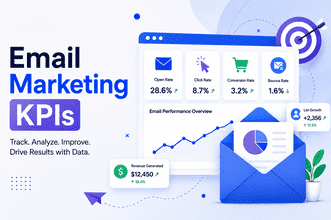
- Measure and iterate. Track open rate, click rate, and subscriber growth; iterate subject lines, format, and distribution based on results.
Newsletter setup checklist (LAUNCH checklist)
Use the LAUNCH checklist to reduce friction during setup. Each letter is a task group:
- L — Landing and signup: Simple landing page, one-click signup, double opt-in if required.
- A — Audience and analytics: Define target persona and add tracking for source attribution.
- U — UX and deliverability: Clean templates, mobile-friendly design, and domain authentication (SPF/DKIM).
- N — Nurture sequence: Welcome series and content plan for the first 6 issues.
- C — Content calendar: Topics, headlines, and assets for the first 8–12 issues.
- H — Housekeeping: Privacy policy, unsubscribe link, and legal compliance checks.
Define audience and content strategy
Start by documenting who the newsletter is for and what problem it solves. Use a simple persona template: role, biggest pain point, where they hang out online, and what type of language resonates. That becomes the basis of the newsletter content strategy and newsletter content strategy decisions such as tone, issue length, and CTAs.
Build the list: email list building tips
Prioritize permission and relevance. Tactics that work: adding signup forms on high-traffic pages, offering a relevant free resource (not a generic "subscribe"), and cross-promoting via social profiles or partnerships with aligned creators. Use social proof and a clear value statement on the signup page to increase conversion.
Deliverability and legal basics
Authenticate sending domain (SPF/DKIM), maintain clean lists, and allow easy unsubscribes. Review official guidance such as the FTC CAN-SPAM compliance guide when handling commercial email: CAN-SPAM Act: A Compliance Guide for Business.
Example: Freelance designer weekly tips (real-world scenario)
Scenario: An independent designer wants to start a weekly newsletter offering contract templates and pricing tips. Using the LAUNCH checklist: create a landing page that promises "one actionable contract or pricing tip per week," produce a 3-email welcome series explaining the format, set a weekly cadence, and promote the signup form on portfolio pages and LinkedIn. After three months, the designer measures open rate and adjusts topic selection toward the most-clicked templates.
Practical tips
- Start with a minimum viable issue: a single, useful item that proves the value proposition.
- Make the subject line specific and benefit-driven; use A/B testing for iteration.
- Keep signup friction low: ask only for email address at first, collect more info later.
- Reuse content: convert blog posts or social threads into newsletter sections to scale production.
- Schedule time for analytics review weekly to spot trends early.
Common mistakes and trade-offs
Trade-offs are inevitable:
- Frequency vs. quality: Higher cadence can grow engagement but risks dilution of value if content is rushed.
- Personalization vs. simplicity: Deep personalization improves relevance but increases setup complexity and maintenance.
- Aggressive list growth vs. deliverability: Many acquisition channels can add low-quality addresses that hurt deliverability.
Common mistakes: vague promise, inconsistent publishing schedule, missing unsubscribe/permission clarity, and neglecting domain authentication. Avoid these early to preserve reputation and inbox placement.
Measurement and growth
Track a few core metrics: subscriber growth rate, open rate, click-through rate, and conversion events tied to the newsletter's goal (downloads, sales, signups). Use those metrics to prioritize experiments: subject line tests, CTA placement, or segment-based content.
FAQ
How to start a newsletter that grows subscribers?
Start with a narrow promise, use a clear signup flow, promote the signup where the audience already gathers, and deliver consistent value. Run simple acquisition tests (landing page vs. popup) and measure source attribution to double down on effective channels.
What should be on a newsletter setup checklist?
Core items: sending provider account, authenticated sending domain (SPF/DKIM), signup form and landing page, welcome automation, content calendar, analytics, and privacy policy. The LAUNCH checklist above covers these groups in a practical order.
How often should a newsletter be sent?
Choose a cadence that can be sustained with high quality. Weekly or biweekly is common for engagement; monthly works for long-form or resource-heavy issues. Consistency matters more than frequency—publish at predictable intervals.
How to measure newsletter performance?
Focus on open rate, click-through rate, subscriber growth, and conversions tied to the newsletter goal. Use UTM parameters on links for accurate source tracking and review metrics weekly initially, then monthly as patterns stabilize.
Can a newsletter be monetized immediately?
Monetization strategies include paid subscriptions, sponsorships, affiliate partnerships, or product promotions. Prioritize building a loyal audience and clear value before monetizing; audiences respond better to relevant paid offers than to early or frequent monetization attempts.