Straddle Carrier Market Intelligence: Key Insights Shaping Industry Growth
-

- Published Updated
- 86 views
Introduction
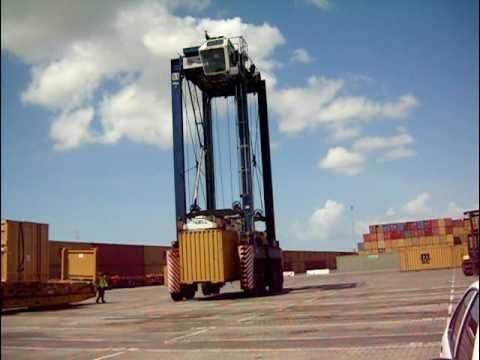
Straddle carriers play an important role in modern cargo handling by enabling the efficient movement, lifting, and stacking of containers across ports, container terminals, logistics hubs, and industrial facilities. Designed to carry containers between their wheels, these specialized machines help operators manage heavy loads while maintaining flexibility in busy terminal environments. As international trade, containerized shipping, and logistics infrastructure continue to evolve, understanding the intelligence behind this industry has become increasingly valuable for equipment manufacturers, port operators, investors, and supply chain managers.
The straddle carrier market is influenced by several interconnected factors, including cargo volumes, port modernization, automation requirements, environmental regulations, and equipment operating costs. Evaluating these elements helps stakeholders understand purchasing priorities, identify emerging opportunities, and develop strategies that respond to changing material-handling requirements.
Understanding Market Structure and Demand
The industry includes manufacturers, technology providers, equipment distributors, maintenance specialists, and terminal operators. Each participant contributes to the development, purchase, operation, or servicing of straddle carriers. Demand is particularly relevant in facilities where containers must be transferred between storage areas, transport vehicles, and loading zones without excessive handling delays.
Port operators assess equipment according to lifting capacity, stacking height, maneuverability, reliability, and compatibility with existing terminal layouts. These requirements differ depending on the size of the facility, the volume of containers handled, and the level of automation already implemented.
Large container terminals often prioritize equipment capable of supporting continuous operations. Smaller ports and specialized industrial facilities may focus more heavily on flexibility, affordability, and ease of maintenance. Understanding these differences allows suppliers to develop products that address distinct customer requirements rather than relying on a single equipment configuration.
Major Factors Influencing Industry Development
Container traffic remains a fundamental influence on demand. When ports handle increasing volumes of imports, exports, and transshipment cargo, operators may need additional handling capacity or improved equipment productivity. Straddle carriers can support these objectives by transporting containers across terminal yards and reducing unnecessary movements between handling stages.
Infrastructure investment is another important consideration. Port expansion projects, logistics park development, and terminal upgrades can create opportunities for equipment suppliers. However, investment decisions depend on regional trade conditions, financing availability, construction schedules, and the expected return from improved cargo-handling operations.
Labor availability and operating efficiency also affect purchasing decisions. Equipment that reduces repetitive manual tasks and improves container movement can help terminal managers manage staffing challenges and maintain more consistent operations. Nevertheless, the benefits depend on operator training, maintenance quality, equipment utilization, and the layout of the facility.
Technology Intelligence and Equipment Innovation
Technological development is changing how straddle carriers are designed, monitored, and operated. Modern equipment increasingly incorporates electronic control systems, sensors, operator-assistance features, and digital monitoring tools. These technologies can help improve handling accuracy, identify potential maintenance issues, and provide operational information to terminal managers.
Automation is particularly important for facilities seeking greater consistency and throughput. Automated or remotely supervised systems can reduce reliance on certain manual operations and support more coordinated equipment movement. However, implementing automation requires careful integration with terminal management software, communications infrastructure, safety procedures, and existing handling equipment.
Electric and hybrid powertrains are also receiving attention as operators evaluate fuel consumption, emissions, noise, and long-term operating expenses. Battery-electric equipment can offer benefits in suitable operating environments, although charging infrastructure, battery capacity, duty cycles, and acquisition costs must be assessed before investment.
For manufacturers, the central intelligence challenge is determining which technologies provide measurable operational value. Customers increasingly need solutions that combine productivity with dependable performance, rather than advanced features that add complexity without delivering clear benefits.
Competitive Landscape and Strategic Positioning
Competition involves established heavy-equipment manufacturers, specialized container-handling suppliers, and technology companies supporting automation and fleet management. Companies distinguish themselves through equipment reliability, engineering capabilities, product customization, service coverage, and the availability of replacement parts.
After-sales support can strongly influence purchasing decisions because straddle carriers operate in demanding environments where equipment downtime can disrupt cargo movement. Suppliers with responsive maintenance teams, accessible components, and effective technical training may build stronger relationships with terminal operators.
Product development is another competitive priority. Manufacturers can strengthen their positions by improving energy efficiency, simplifying maintenance, enhancing operator visibility, and developing systems compatible with different terminal configurations. Strategic partnerships with software providers and port infrastructure specialists can also support integrated solutions.
Pricing remains important, but purchase decisions typically involve more than initial equipment cost. Buyers must consider expected service life, fuel or electricity consumption, maintenance intervals, spare-parts availability, and productivity over the equipment's operating period.
Regional Intelligence and Infrastructure Opportunities
Regional demand depends on port capacity, trade activity, industrial development, and investment in logistics infrastructure. Established maritime economies may focus on replacing aging equipment, improving terminal productivity, and introducing lower-emission handling systems. Emerging logistics centers may generate demand through new terminal construction and expanding container-handling capacity.
Government infrastructure programs, private port investments, and the development of inland container depots can influence opportunities across different regions. Nevertheless, growth prospects vary considerably. Economic uncertainty, trade imbalances, financing constraints, and delays in infrastructure projects can affect equipment procurement.
Suppliers evaluating regional opportunities should examine local operating conditions, import requirements, service capabilities, and customer preferences. Equipment suited to one port environment may not meet the operational or financial needs of another. Regional intelligence therefore helps manufacturers prioritize markets and adapt product offerings to local requirements.
Challenges and Risk Assessment
Despite opportunities for development, the industry faces several challenges. High acquisition costs can discourage smaller operators from upgrading their fleets, particularly when financing is expensive or cargo volumes are uncertain. Maintenance expenses and the need for specialized technical expertise can further increase the total cost of ownership.
Supply chain disruptions may affect the availability and cost of electronic components, hydraulic systems, batteries, and other critical parts. Manufacturers must manage procurement risks while maintaining product quality and delivery schedules.
Technology adoption also introduces operational challenges. Automated equipment requires appropriate infrastructure, cybersecurity safeguards, trained personnel, and dependable communication systems. Electric models may require substantial investment in charging facilities and changes to existing maintenance procedures.
Safety remains essential because straddle carriers handle heavy containers and operate near vehicles, workers, and other machinery. Manufacturers and terminal operators must prioritize equipment stability, visibility, collision prevention, and compliance with applicable safety requirements.
Future Intelligence and Business Opportunities
Future industry opportunities are likely to be shaped by the combined pursuit of higher productivity, improved energy efficiency, and more connected terminal operations. Digital fleet monitoring can help operators understand equipment utilization, identify recurring faults, and schedule maintenance according to operating conditions.
Predictive maintenance may reduce unexpected breakdowns when monitoring systems provide reliable data and maintenance teams can act on early warnings. Similarly, improved energy management can help operators compare powertrain options and identify opportunities to lower operating expenses.
Manufacturers may also benefit from offering flexible equipment configurations, lifecycle service packages, modernization solutions, and technical support for existing fleets. These services can create value beyond new equipment sales, particularly for operators seeking to extend the useful life of current assets.
For investors and business planners, a careful assessment of customer needs, technological readiness, infrastructure spending, and total ownership costs provides a stronger basis for evaluating opportunities than relying on container growth alone.
Conclusion
Straddle carrier market intelligence requires a balanced understanding of demand drivers, competitive positioning, technological innovation, regional investment, and operational risks. Container traffic and port modernization remain important influences, while automation, electrification, and digital monitoring are changing customer expectations.
Businesses that combine reliable equipment, practical innovation, responsive service, and a clear understanding of regional requirements will be better positioned to address evolving cargo-handling needs. As terminal operators pursue greater efficiency and more sustainable operations, informed decision-making will remain essential to long-term industry development.