10 Benefits of Wearing Stretchy Scrubs: Comfort, Mobility, and Durability for Healthcare Workers
-

- Published Updated
- 1,579 views
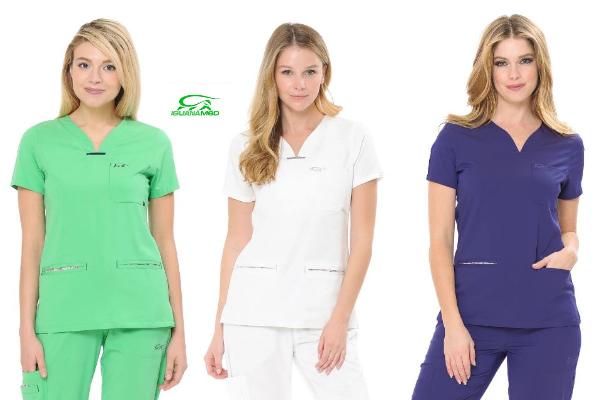
10 Benefits of Wearing Stretchy Scrubs for Healthcare Professionals
Stretchy scrubs have become a common choice in many clinical settings because they combine fabric flexibility with practical features suited to long shifts and active patient care. This article outlines the top benefits of wearing stretchy scrubs, covering comfort, function, workplace safety considerations, and factors to consider when selecting a pair.
- Stretchy scrubs improve mobility and comfort for healthcare workers on active shifts.
- Key advantages include better fit, moisture management, durability, and functional pockets.
- Fabric blends commonly include spandex or elastane with polyester or cotton for stretch and resilience.
- Consider laundering recommendations and workplace infection-control policies when choosing scrubs.
Why choose stretchy scrubs
Many healthcare facilities encourage uniforms that support safe patient handling and efficient workflow. Stretchy scrubs offer a balance of flexibility and professional appearance that can reduce movement restriction during tasks such as lifting, bending, and transferring patients. The fabric blends that create stretch—typically small proportions of spandex or elastane combined with polyester, cotton, or rayon—help scrubs retain shape while allowing greater range of motion.
Top 10 benefits of stretchy scrubs
1. Improved mobility and range of motion
Stretchy scrubs allow clinicians to move freely without the fabric pulling or binding. Greater range of motion supports common clinical tasks—reaching for equipment, assisting patients, or performing bedside procedures—while maintaining a professional fit.
2. Enhanced comfort during long shifts
Elastic fibers reduce pressure points and rubbing, which can lower discomfort during extended periods of standing or walking. Many healthcare workers report reduced chafing and better overall comfort with stretch fabrics compared with rigid uniform materials.
3. Reduced fatigue and better posture
Clothing that allows natural movement can help reduce compensatory movement patterns and muscle strain. While clothing alone does not prevent musculoskeletal injury, comfortable, well-fitting scrubs can be one component of an ergonomic approach to reducing fatigue over a shift.
4. Moisture management and breathability
Many stretchy scrub fabrics incorporate moisture-wicking fibers that pull sweat away from the skin and promote evaporation. Improved breathability helps regulate body temperature in busy clinical environments, contributing to comfort and reduced distraction.
5. Professional appearance and consistent fit
Stretch fabrics conform to different body shapes more smoothly than stiffer materials, which can produce a neater, more tailored appearance. Consistent fit may support workplace dress codes and present a professional image to patients and colleagues.
6. Durability and shape retention
Blends that include synthetic fibers such as polyester and a small percentage of elastic components often resist wrinkles and maintain shape after repeated laundering. This durability can extend the useful life of scrubs under frequent wash cycles commonly required in healthcare settings.
7. Functional pockets and design features
Many stretchy scrub designs prioritize functional pockets and reinforced seams while maintaining stretch. Flexible fabric can reduce bulk and allow pockets to move with the wearer, supporting accessibility to tools like pens, scissors, or mobile devices.
8. Compatibility with infection-control practices
Scrubs used in clinical settings should be compatible with facility infection-control protocols. Stretchy scrubs made from materials that tolerate high-temperature washing and appropriate detergents can meet laundering requirements. For guidance on healthcare laundering and infection prevention, refer to resources from public health authorities such as the Centers for Disease Control and Prevention (CDC): https://www.cdc.gov/.
9. Reduced snagging and safety considerations
Well-constructed stretch fabrics can reduce the risk of loose or baggy material catching on equipment. Choosing scrubs with appropriate fit and durable seams helps minimize snag hazards during patient transfers or when moving through tight spaces.
10. Worker satisfaction and retention
Comfortable uniforms that support job tasks can contribute to staff satisfaction. Better-fitting scrubs that perform well in daily duties may factor into workplace morale and uniform policy preferences over time.
Choosing and caring for stretchy scrubs
When selecting stretchy scrubs, review fabric content to balance stretch with durability—common blends include cotton/polyester with 2–8% spandex/elastane. Check facility policies regarding color, identification badges, and laundering. Follow manufacturer care instructions and workplace protocols for laundering to maintain fabric performance and infection-control compliance. Occupational safety standards and employer policies from regulators such as the Occupational Safety and Health Administration (OSHA) may inform local uniform and personal protective equipment practices.
Limitations and considerations
Stretchy scrubs offer many advantages but may not be appropriate for every clinical area or task. Some settings require specific materials, barrier protection, or single-use gowns. Fabric performance varies between manufacturers, and stretch characteristics can change with repeated washing if care instructions are not followed. For clinical decisions about protective clothing, consult facility infection-prevention guidelines and institutional policies.
Conclusion
Stretchy scrubs combine flexibility, comfort, and practical features that match many demands of healthcare work. Selection should take into account fit, fabric composition, laundering capability, and alignment with institutional safety and infection-control policies. Considering these factors can help healthcare professionals choose scrubs that support daily work and workplace requirements.
FAQ
Are stretchy scrubs appropriate for all healthcare settings?
Not necessarily. Some clinical areas require specific barrier properties or disposable garments. Facility infection-control policies and job-specific protective equipment requirements should determine appropriate attire.
How should stretchy scrubs be laundered to maintain performance?
Follow manufacturer care labels and institutional laundering protocols. Many stretchy blends tolerate warm water and regular detergents, but high heat or harsh chemicals can degrade elastic fibers over time. Employer laundry requirements may specify temperature and detergent standards for infection control.
Do stretchy scrubs help prevent workplace injuries?
Stretchy scrubs can reduce movement restriction and discomfort, which may indirectly reduce fatigue. However, preventing musculoskeletal injuries requires comprehensive ergonomic strategies, proper lifting techniques, and appropriate equipment in addition to suitable clothing.
How can the fit of stretchy scrubs affect professional appearance?
Well-fitting stretch fabrics tend to provide a smoother silhouette and reduce wrinkling, contributing to a more professional appearance. Choosing the correct size and cut for job tasks helps maintain functionality as well as presentation.
What should be considered when buying stretchy scrubs for a clinical team?
Consider fabric durability, laundering compatibility, required colors or styles under facility policy, pocket functionality, and the blend of materials. Input from staff about comfort and pockets can guide choices that balance individual needs with institutional requirements.
Do stretchy scrubs come in antimicrobial or moisture-wicking finishes?
Some manufacturers apply moisture-wicking or antimicrobial finishes to fabrics. These treatments vary in effectiveness and durability; review product specifications and facility policies before selecting treated garments.
What are the benefits of wearing stretchy scrubs?
Primary benefits of stretchy scrubs include enhanced mobility, improved comfort, moisture management, durability, functional pockets, and a professional fit that supports patient care tasks and long shifts.
Where to find authoritative guidance about scrubs and infection control?
Facility infection-prevention programs and public health agencies provide guidance on laundering and protective clothing. The Centers for Disease Control and Prevention and relevant occupational safety regulators offer resources that can inform institutional policies.