Melbourne Homeowners’ Guide to Choosing the Best Submersible Pumps for Your Home
-

- Published Updated
- 23 views
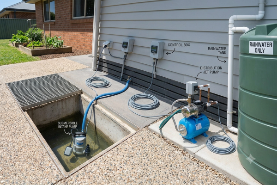
You're a Melbourne homeowner, right? Want your garden, rainwater tank or basement staying dry? Then pick the right Submersible pumps For the job. In this guide we'll hit the key points that matter in Victoria’s climate, show the newest smart‑drive options and flag common traps. We'll walk you through sizing, installation and upkeep so the system runs smooth for years. By the end you’ll know which model suits your roof‑top rainwater collection, your well or your sump pit.
Why submersible pumps are the go‑to choice for Melbourne households
Melbourne’s winters dump rain, but summer can dry out completely, so you need a pump that lives under the water. Submersible pumps stay cool because they're immersed, which means they run longer and use less electricity than surface units. In my experience a correctly sized unit will ride out a sudden storm surge without tripping a breaker. And because they're sealed they shrug off rust even in our salty coastal breezes. Got a wet basement? You’ll thank this set‑up.
- Quiet operation, ideal for backyard patios.
- Compact footprint, fits into narrow pits.
- Self‑priming, no need for extra priming equipment.
How to select the right submersible pumps for your home
First, figure out what you’re moving. Freshwater from a rain tank is nothing like a tad acidic well source, and the pump’s material. Stainless steel or thermoplastic. Can make a difference. Then, work out the total head: vertical lift plus pipe friction. In Melbourne a handy rule is about 1 metre of head for each 10 m of pipe, add the pit depth. Got it?
- Material: stainless steel for corrosive water, cast iron for clean water.
- Power: 0.5 kW for small garden irrigation, 2 kW for full‑house sump.
- Flow: 10–30 L/min for typical residential use.
Don’t forget the pump’s efficiency rating, look for the Australian‑approved “Energy Star” label. Higher efficiency means lower your bills, especially when the pump runs continuously during a storm.
Installation basics for submersible pumps in Melbourne
And a solid base is a must. Dig a pit at least 30 cm wider than the pump housing, then line it with concrete so it won’t settle. Our local soils shift after heavy rain, does that sound familiar? A firm footing keeps the pump aligned.
- Depth: at least 0.5 m below the water level.
- Seal: use a marine‑grade silicone gasket.
- Cable: run a waterproof, UV‑resistant cable to a dedicated circuit.
When you lower the pump into the pit, make sure the inlet is pointed downstream to avoid cavitation. And always double‑check that the electrical connections are protected by a residual‑current device (RCD) as required by.
Pit preparation for submersible pumps
Honestly, most DIY setups flop when the pit isn’t level. A sloping base makes the pump tilt, which wears the bearings unevenly. Got a spirit level? Lay a compacted sand bed and level it out. And slap a grated lid on top, keeps junk out while water still flows. Does that sound doable? You’ll avoid costly repairs later.
Routine maintenance and troubleshooting of submersible pumps
Even the toughest pump will need a check‑up someday. And Melbourne’s swingin’ temps can dry out motor bearings when the unit sits idle for months. So a quick visual glance every six months? It’ll spot corrosion or sediment before it becomes a problem.
- Listen for abnormal hum, could be a mis‑aligned impeller.
- Check the amperage draw with a clamp meter; a rise of 10 % often signals wear.
- Flush the inlet with clean water to remove silt after a storm.
If you see the flow sag, give the impeller a quick clean. Use a screwdriver to pry the housing off, then blast the blades with a garden hose. And never let the pump run dry; it’ll overheat and torch the motor.
Cleaning the impeller of submersible pumps
First, turn off breaker. Then haul pump out of pit, set it on bench and pop off impeller cover. Got a soft brush? Use it, don’t grab steel wire one or you’ll nick blades and waste power. After that, re‑assemble, reseal and give it test run before you put it back.
Smart and solar‑powered options for submersible pumps
Technology has caught up with our old‑school pumps. Many new models come with built‑in variable‑frequency drives (VFDs) that adjust speed based on demand, cutting electricity use by up to 30 %. In sunny suburbs like St Kilda, a solar panel array can power a modest pump 24/7, giving you back‑up during power outages.
- IoT sensors, send flow alerts to your phone.
- Remote start/stop via a mobile app.
- Battery back‑up, keeps the pump running for 30 minutes after a blackout.
When you pair a solar controller with a pump that has a maximum voltage of 240 V, you’ll need an MPPT charge controller to keep the system efficient. And always size the solar array to at least 1.2 × the pump’s peak power demand.
IoT monitoring for submersible pumps
Today’s platforms let you set pressure and temperature limits. And if the pump overheats, you’ll get a push alert before the motor quits. I’ve watched a neighbour dodge a pricey replacement just because the app flagged a rising amp draw. Sounds handy, right?
Sizing guide: flow rate, head and power for submersible pumps
Pick the right size, or you’ll end up with a pump that stalls or guzzles power. First, figure the max flow, a typical Melbourne garden needs roughly 25 L/min. Then count the head: a 5 m well plus 10 m pipe gives about 15 m total. And oversize units chew power like a hungry beast, driving up your bill. Sounds good? Ready to pick?
- Grab the performance curve, then spot where flow equals head.
- Look at the motor’s HP, a 0.75 HP unit can push roughly 30 L/min at 15 m head.
- And remember, cold water gets thicker; you’ll lose about five percent capacity.
Plot the numbers on the curve, and the sweet spot pops up, efficiency hits its max. That's the model to grab. And grab a pump with a 10 % safety margin; Melbourne's wild storms can spike demand beyond what you think.
Regulatory compliance and environmental impact of submersible pumps
Australian rules say any residential pump has to meet –2‑31 for electrical safety and carry a CE or RCM mark. And in Victoria the Water Act adds a noise‑level check for pumps sited close to homes, do you know that?
- Noise: keep below 55 dB(A) at 1 m distance.
- Water quality: choose a pump with a non‑corrosive housing for ponds.
- Disposal: recycle metal components according to EPA guidelines.
From an environmental standpoint, a well‑chosen pump reduces the need for frequent water top‑ups, conserving precious municipal supply. And if you go solar, you cut your carbon footprint dramatically.
Finding reliable service and warranty support for submersible pumps
Buying a pump? The after‑sales network is just as key as the unit itself. And you’ll want a supplier with a five‑year warranty and a local service centre on Melbourne’s east side. So a quick Google search shows plenty of Melbourne plumbers stock spare parts for big brands like Grundfos, Xylem and Franklin.
- Check that the service contract includes annual inspections.
- Ask if the technician is certified under.
- Prefer companies that use genuine OEM parts, not cheap knock‑offs.
When a pump quits, you’ve got seconds before the basement starts soaking. And if you can get help within a day, you’ll avoid a nasty flood. Need fast help? Pick a service that’s on call and can be at your door in 24 hours.
Conclusion
Want the right submersible pumps for a Melbourne house? Match the unit to your water source, climate and energy targets. Check the material, head, flow and efficiency, then install and maintain it properly. And if solar or smart controls fit, grab them, but always use a certified local service. Follow these steps and the pump will keep water where it belongs for years in the long run.