Essential Guide to Choosing Summer T-Shirts for Comfort and Style
-

- February 28th, 2026
- 1,320 views
Choosing the right summer t-shirts can make hot months more comfortable and stylish. This guide explains fabric choices, fit, sun protection, sustainable materials, and care tips to help extend the life of shirts and maximize comfort during warm weather.
- Look for breathable, lightweight fabrics like cotton, linen blends, or moisture-wicking synthetics for active use.
- Fit and cut affect airflow; relaxed or athletic cuts suit different activities and body types.
- Colors, sun-protective finishes, and fabric weight influence comfort and safety in high heat.
- Proper washing and storage extend garment life; consider sustainable options and certifications.
Choosing the Right Summer T-Shirts: Fabrics, Fit, and Function
Fabric choice is the foundation of comfortable summer wear. Natural fibers such as cotton and linen are breathable and absorbent, making them good everyday options. Cotton T-shirts with a lightweight weave (single jersey, slub, or open-knit) offer airflow and softness. Linen or linen-blend shirts provide excellent breathability and a textured look but may wrinkle more easily.
Breathable fabrics and performance blends
Technical or synthetic fabrics engineered for moisture-wicking are useful for active days, travel, or humid climates. Polyester or nylon blends pull sweat away from the skin and dry quickly; look for shirts labeled moisture-wicking or quick-dry. Some blends combine cotton with modal or Tencel (lyocell) for improved drape and moisture control while maintaining a natural feel.
Fit and cut considerations
Fit affects both comfort and appearance. A relaxed fit allows more airflow and is forgiving in high heat. An athletic cut provides shape and may be preferable for exercise. Sleeve length, shoulder seam placement, and hem length also influence how a shirt feels during movement and how it layers with other garments.
Colors, Sun Protection, and Practical Features
Color choices and thermal effect
Lighter colors reflect sunlight and typically feel cooler in direct sun, while darker tones absorb heat. However, material weight and weave have a larger effect on perceived temperature than color alone. For daytime outdoor activities, breathable light-colored shirts are a balanced choice.
Sun-protective fabrics and finishes
Some garments are treated or constructed to provide a higher Ultraviolet Protection Factor (UPF). For extended sun exposure, consider fabrics with UPF ratings and follow guidance from dermatology organizations about sun-safe clothing choices. For general heat safety and recommendations for preventing heat-related illness, consult guidance from public health authorities: CDC: Extreme Heat Guidance.
Style, Sustainability, and Wardrobe Planning
Building a summer capsule wardrobe
Creating a small, versatile collection of summer t-shirts in neutral colors and a few patterned options simplifies outfit choices. Include a mix of lightweight everyday shirts, one or two dressier cotton or linen blends for warmer evenings, and a performance tee for physical activity.
Sustainable materials and certifications
For lower environmental impact, consider organic cotton, certified recycled polyester, or fibers like Tencel that use closed-loop production processes. Look for recognized standards and certifications such as Global Organic Textile Standard (GOTS) or OEKO-TEX when seeking verified claims. Local or regional textile research and regulatory agencies can provide information about labeling and environmental claims.
Care, Maintenance, and Longevity
Washing and drying tips
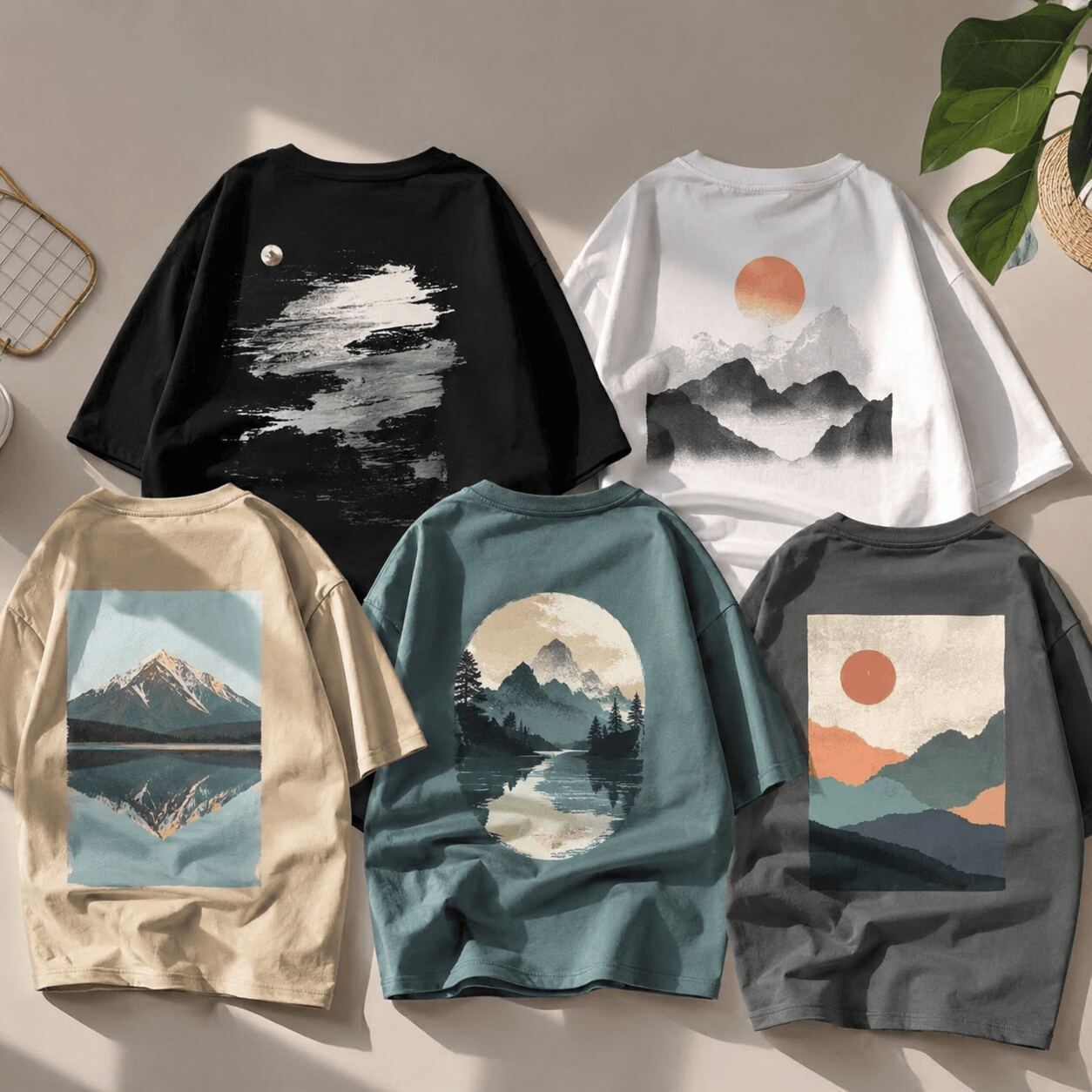
Follow care labels to maintain fit and color. Generally, wash summer t-shirts in cool or warm water to preserve fibers and avoid high-heat drying, which can shrink cotton and degrade elastic components. Turn printed or decorated shirts inside out to reduce abrasion and fading.
Repair, storage, and extending useful life
Small repairs, such as re-stitching seams or replacing buttons, can add significant life to garments. Store shirts in a cool, dry place away from direct sunlight to prevent fading. For long-term storage, use breathable containers rather than airtight plastic to avoid moisture buildup.
Shopping and Fit Testing
Trying before buying
When possible, try on shirts to evaluate shoulder fit, sleeve length, and torso drape. When shopping online, consult size charts and product measurements, read fiber content, and check return policies to ensure a good fit. Reviews that mention fit and fabric weight can help set expectations.
Special considerations for specific activities
For exercise, choose moisture-wicking, quick-dry fabrics with flat seams to reduce chafing. For travel, lightweight shirts that resist wrinkling and pack well are advantageous. Layering a lightweight shirt under a loose overshirt or open button shirt provides sun protection and flexibility as temperatures change.
Summary and practical checklist
Key points to remember: prioritize breathable fabrics and appropriate fit, consider sun protection and color choices, choose sustainable materials when possible, and follow care instructions to extend garment life. Keep a small, versatile wardrobe of summer t-shirts suited to daily activities and personal comfort preferences.
Frequently Asked Questions
What are the best fabrics for summer t-shirts?
Lightweight cotton, linen blends, and performance fabrics like moisture-wicking polyester are common choices. Natural fibers are breathable and comfortable for everyday wear; technical blends are effective for active use and humid climates.
Can darker shirts be worn comfortably in summer?
Yes. While darker colors absorb more sunlight, fabric weight, weave, and breathability have a larger impact on comfort. A lightweight, open-weave dark shirt can still feel comfortable in warm conditions.
How should summer t-shirts be washed to last longer?
Wash in cool or warm water using a gentle cycle when appropriate. Turn shirts inside out to preserve prints and colors, avoid high-heat drying, and repair minor damage promptly to extend usable life.
Are sun-protective t-shirts necessary for everyday use?
Sun-protective (UPF-rated) shirts are helpful for prolonged outdoor exposure or high UV-index conditions. For routine short-duration exposure, lightweight coverage, sunscreen, and shade can be sufficient. For authoritative guidance on heat and sun safety, consult public health resources such as the Centers for Disease Control and Prevention.