Sunscreen Window Blinds: A Practical Guide to UV Protection, Comfort, and Style
-

- March 18th, 2026
- 571 views
Sunscreen window blinds are a practical way to cut UV exposure, reduce glare, and keep interiors cooler without losing the view. This guide explains how these blinds work, how to compare materials and fabric openness, and how to pick the right solar solution for each room.
Detected intent: Informational
- Primary focus: sunscreen window blinds for UV protection, glare control, and daylighting.
- Use the S.A.F.E. Selection Framework (Sun rating, Application, Fabric openness, Energy/style balance).
- Core cluster questions: see list below for related topics suitable for internal linking.
- How do fabric openness factors affect heat and glare?
- What are the best sunscreen blinds for a south-facing living room?
- How to compare sunscreen blinds vs blackout shades for privacy?
- What maintenance do solar screen shades require?
- How do sunscreen blinds affect HVAC energy use?
Sunscreen window blinds: what they are and why they work
Sunscreen window blinds (also called solar screens or solar shades) use tightly woven fabrics or coated materials to block solar radiation, reduce UV transmission, and manage visible glare while often preserving the outside view. Key benefits include reduced fading of furniture and flooring, lower cooling loads in summer, and better visual comfort.
For evidence on shade and UV protection, authoritative health organizations note that shade reduces UV exposure; see further guidance from the Skin Cancer Foundation for best practices on sun protection (Skin Cancer Foundation).
How sunscreen blinds block heat and UV: materials and metrics
Fabric openness factor (FOF) and visible light transmission
Fabric openness factor tells how much light and some heat pass through. Lower openness (e.g., 1–3%) blocks more heat and gives greater privacy but reduces the outside view. Higher openness (e.g., 10–14%) preserves the view and still cuts glare. Look for manufacturer specs showing solar heat gain coefficient (SHGC) or visible light transmittance (VLT).
Materials and coatings
Common materials include PVC-coated polyester, fiberglass mesh, and tightly woven polyester. Many solar fabrics come with reflective coatings to improve heat rejection. Terms to watch: UV blocking blinds, solar screen shades, SHGC, U-factor, and reflectance.
Choosing sunscreen window blinds: the S.A.F.E. Selection Framework
Use a short checklist to make consistent choices across rooms.
- S — Sun exposure: note orientation (south/west face highest solar load).
- A — Application: living room, bedroom, or office changes privacy and darkness needs.
- F — Fabric openness factor: pick openness based on view vs heat control.
- E — Energy & esthetics: balance solar performance with style and motorization options.
Checklist (S.A.F.E. Sunscreen-Blinds Checklist): measure window dimensions, record orientation and typical sun hours, choose openness and color (darker fabrics block more light but may heat up), check mounting type (inside vs outside), and confirm warranty & fire rating.
Real-world scenario: a south-facing living room
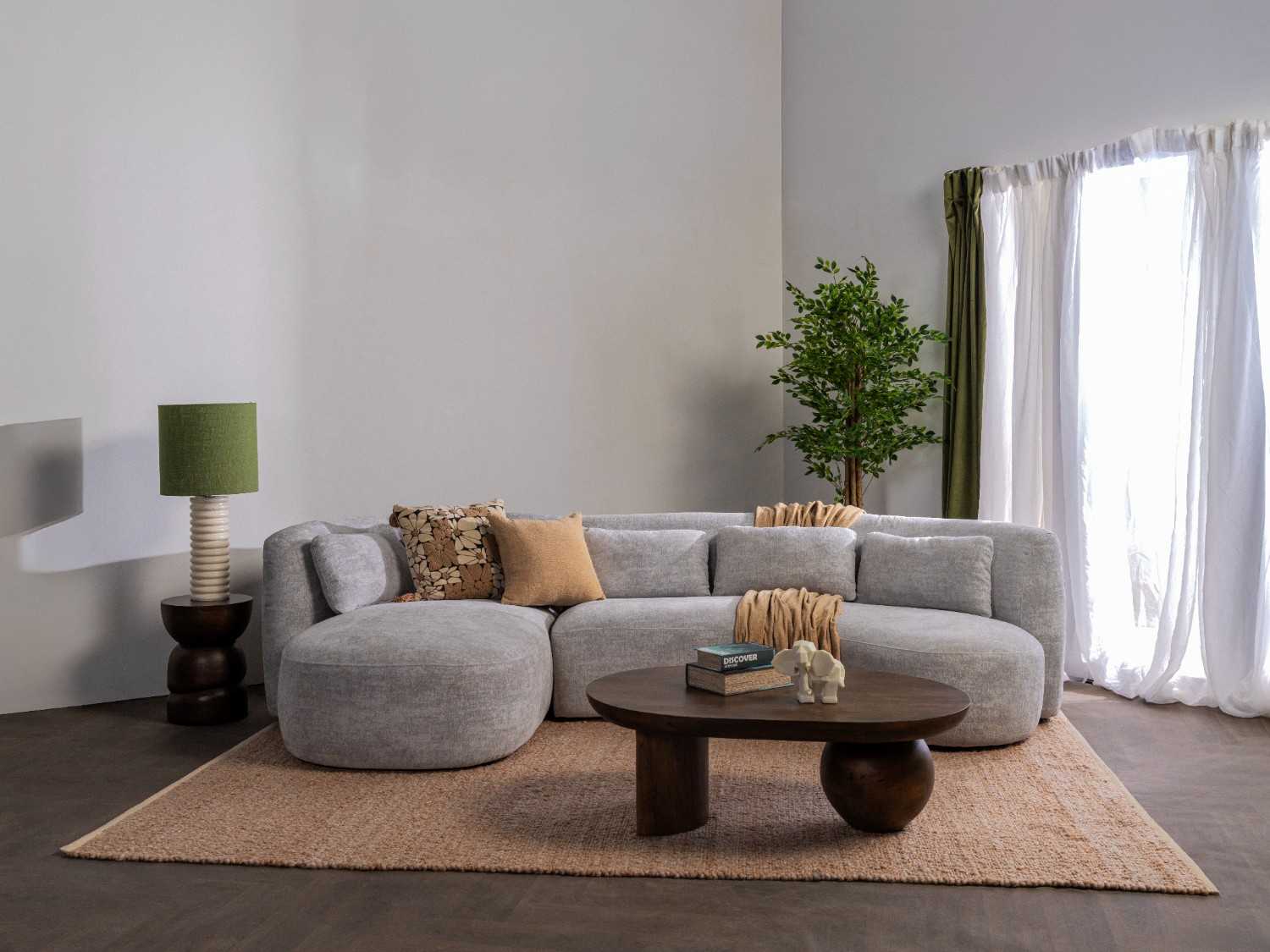
Scenario: A south-facing living room gets strong midday sun that fades upholstery and heats the room. Recommended approach: select sunscreen blinds with a 3–5% openness factor in a neutral color and a reflective back coating. Use outside-mounted roller shades to intercept solar gain before it enters the glazing. Combine with insulated drapery for evening privacy. This reduces glare while keeping a view and can lower peak cooling demand.
Practical tips for selection and installation
- Measure precisely. Order blinds slightly wider than the glass for better shading and less light leak.
- Match openness to purpose: 1–3% for strong solar control/privacy, 5–10% for balanced view and glare reduction.
- Prefer outside mounts on high-solar-load façades to block heat before it enters the window cavity.
- Consider motorization for tall or hard-to-reach windows; motorized solar shades can integrate with smart thermostats to automate shading by sun angle.
- Prioritize fabrics with documented SHGC or independent test data when energy performance matters.
Common mistakes and trade-offs
- Choosing very high openness for all rooms: preserves view but may not reduce heat or fading adequately.
- Assuming darker fabrics always reduce heat: dark colors absorb heat and can reradiate into the room if not reflective or properly installed.
- Overlooking mounting type: inside-mounted shades look cleaner but often allow light gaps; outside mounts provide better performance.
- Neglecting code and fire ratings: commercial spaces often require tested and labeled fabrics.
Maintenance, durability, and lifespan
Solar fabrics are typically low-maintenance: vacuum gently or wipe with mild detergent for stains. Expect lifespan of 5–15 years depending on exposure, fabric quality, and UV-resistant treatments. For long-term performance, check warranties and ask about UV-stabilized yarns and coatings.
When to choose sunscreen blinds vs alternatives
Sunscreen blinds are ideal when the goal is daylighting with glare control and view retention. For full blackout, surge privacy, or sleeping rooms where total darkness is required, pair sunscreen blinds with blackout curtains or choose dedicated blackout shades. To reduce cooling loads substantially, combine exterior solar screens or awnings with interior sunscreen blinds.
Practical installation tips
- Seal gaps where light and heat leak around the shade—use outside mounts or side channels if needed.
- Test a sample fabric on-site to verify the perceived view and color under real lighting.
- Confirm compatibility with existing window treatments and hardware load capacities for motorized systems.
FAQ
Are sunscreen window blinds effective at blocking UV?
Yes. Properly specified sunscreen window blinds block a significant portion of UV-A and UV-B rays depending on fabric composition and openness. Fabrics with lower openness and UV-resistant coatings perform better at blocking harmful wavelengths and reducing fade risk.
What openness factor should be chosen for glare control and view?
For glare control while keeping a clear view, 5–10% openness is common. For maximum glare reduction and privacy, choose 1–3% openness. The trade-off is reduced outward visibility as openness decreases.
How do sunscreen blinds compare to blackout shades in energy performance?
Sunscreen blinds reduce solar heat gain and glare but do not block all light like blackout shades. For energy savings, sunscreen blinds paired with reflective exteriors or insulated drapes provide a balance between daylighting and thermal control. Exterior shading achieves the largest cooling reduction.
Can solar screen shades help reduce cooling bills?
Yes. By lowering solar heat gain, sunscreen or solar screen shades can reduce peak cooling loads. The magnitude depends on orientation, glazing properties, and fabric selection. Combining shading with efficient glazing improves results.
How long do sunscreen blinds last and what maintenance do they need?
Expect 5–15 years depending on quality and exposure. Routine dusting, occasional mild cleaning, and checking hardware keep shades functioning. Replace fabrics with visible deterioration or loss of UV resistance.