Refine and Renew: Superficial Chemical Peel Guide for Smoother Skin
-

- February 23rd, 2026
- 1,266 views

FREE SEO Topical Map Generator: Find Your Next Content Ideas
Refine and Renew: Superficial Chemical Peel Explained
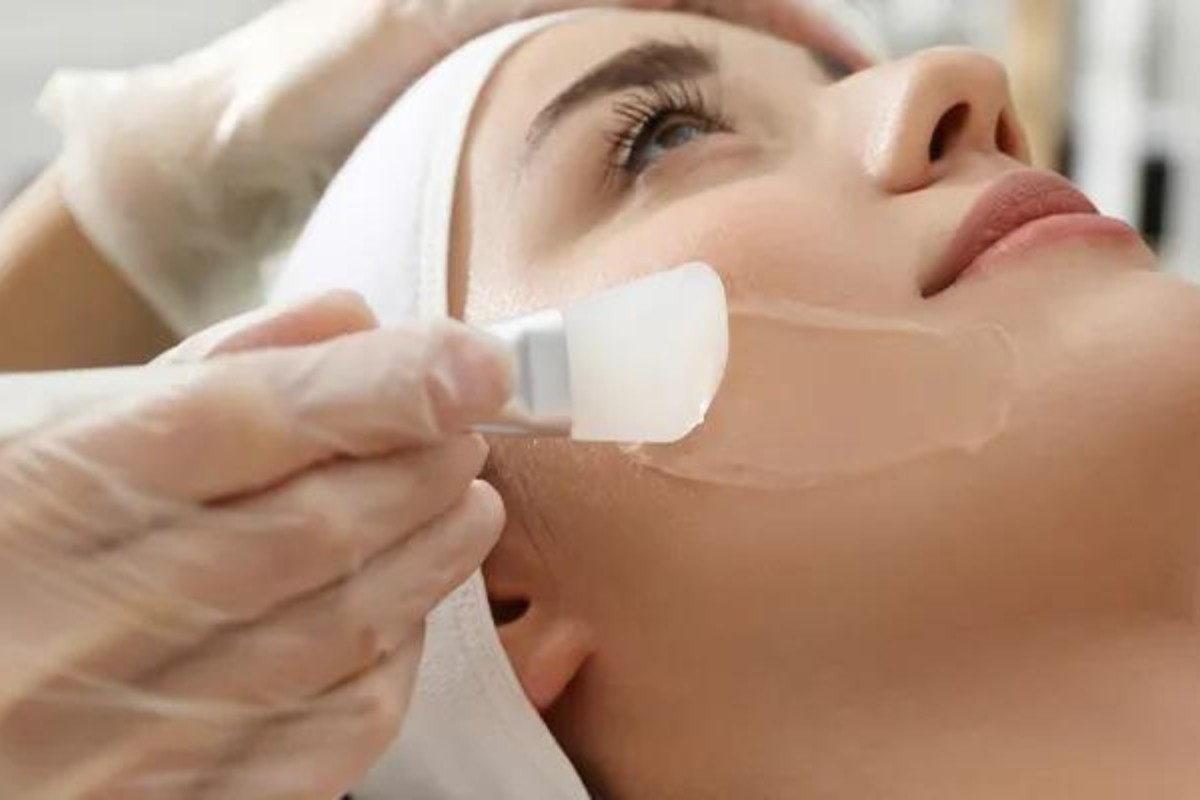
A superficial chemical peel is a cosmetic exfoliation treatment that removes the outermost layer of the epidermis to improve texture, lighten mild hyperpigmentation, and promote a smoother complexion. These peels typically use alpha hydroxy acids (AHAs) such as glycolic or lactic acid, or beta hydroxy acids (BHAs) like salicylic acid, to encourage controlled exfoliation and cell turnover.
- Purpose: Gentle exfoliation to refine skin texture and tone.
- Common agents: Glycolic acid, lactic acid, salicylic acid; low-strength trichloroacetic acid (TCA) formulations in some protocols.
- Downtime: Minimal to none for most people; transient redness, flaking, and sensitivity are common.
- Considerations: Skin type, current skin conditions, and sun exposure history affect outcomes and safety.
How a superficial chemical peel works
Chemical peels work through a controlled chemical exfoliation process. Acids alter the bonds between corneocytes in the stratum corneum, which helps shed dead skin cells and stimulates epidermal renewal. The depth of action is limited to the superficial epidermis, distinguishing these peels from medium or deep peels that penetrate further into the dermis.
Common peel agents and formulations
Alpha hydroxy acids (AHAs)
Glycolic acid and lactic acid are frequently used AHAs. Glycolic acid has a small molecular size that allows effective penetration; lactic acid tends to be milder and offers hydration benefits. AHAs are often selected for uneven texture, mild sun damage, and superficial pigmentation.
Beta hydroxy acids (BHAs)
Salicylic acid, a BHA, is oil-soluble and penetrates pores, making it useful for oily or acne-prone skin. Concentrations and pH determine the strength and comfort of the application.
Low-strength TCA and blended peels
Superficial formulations sometimes include low concentrations of trichloroacetic acid (TCA) mixed with other acids for specific effects. These are still designed to remain within the superficial epidermal layer.
What to expect during and after treatment
Before the procedure
Pre-treatment typically involves cleansing and, in some protocols, pre-conditioning with topical agents. A patch test or consultation with a licensed clinician can identify potential sensitivities.
During the procedure
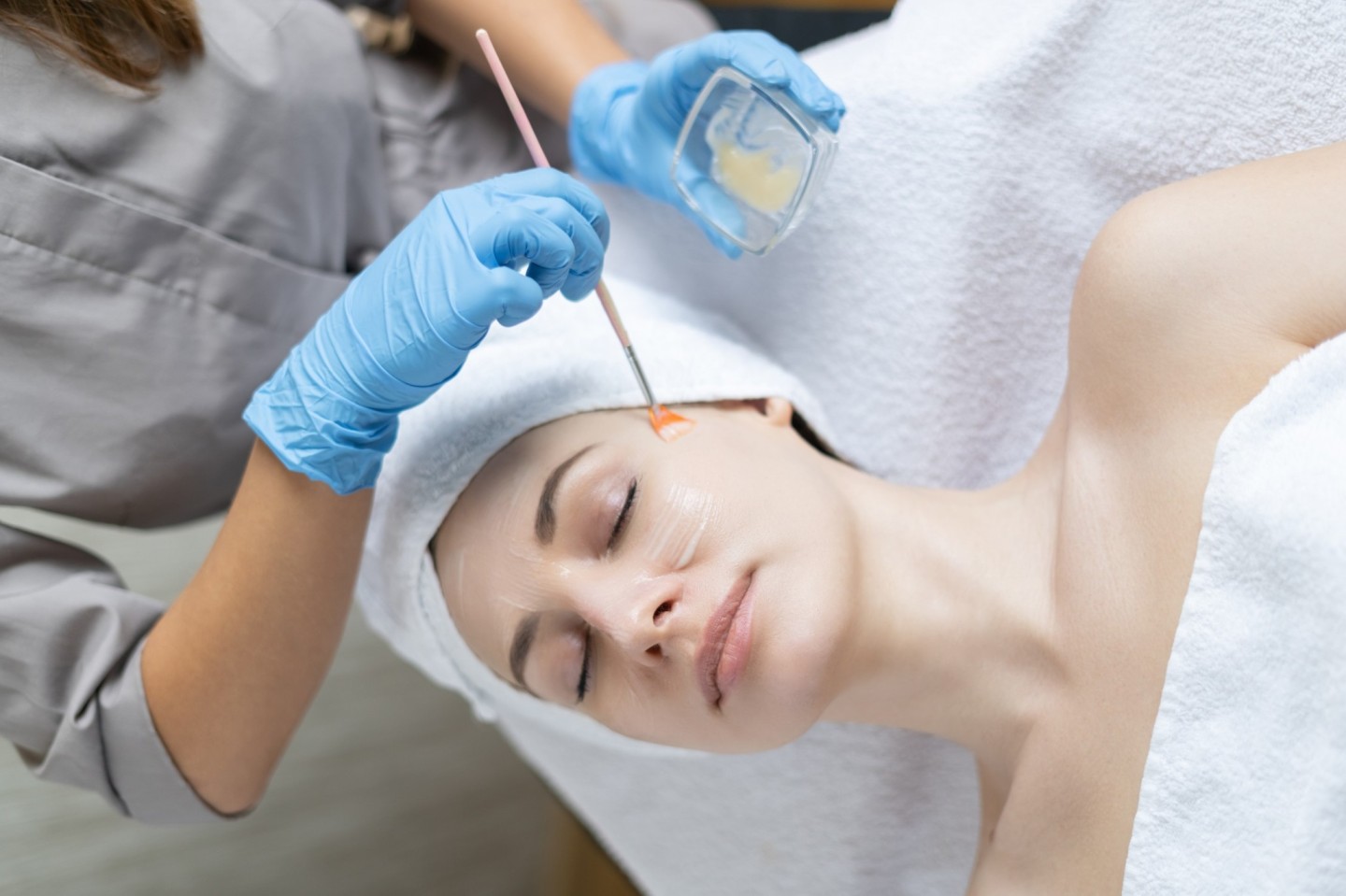
Application is brief, often lasting a few minutes, and may produce a stinging or warming sensation. Neutralization or removal of the agent follows according to the product instructions and clinician judgment.
Aftercare and recovery
Expect mild redness, dryness, and flaking for several days. Gentle cleansers, non-irritating moisturizers, and broad-spectrum sun protection are standard post-peel recommendations. Avoid abrasive scrubs, retinoids, or strong actives until the skin barrier has recovered.
Who may be a good candidate
Individuals seeking mild improvement in skin texture, fine lines, and superficial pigmentation may consider a superficial chemical peel. Factors such as skin type (Fitzpatrick classification), history of keloid scarring, active infections, or recent isotretinoin use can affect candidacy. Consultation with a licensed dermatologist or qualified skincare professional helps determine suitability and personalized protocols. For guidance from a professional organization, refer to the American Academy of Dermatology: American Academy of Dermatology.
Benefits and limitations
Benefits include mild-to-moderate improvement in texture, pore appearance, and superficial discoloration with relatively low risk and minimal downtime. Limitations include modest effects compared with medium or deep peels; multiple sessions are often needed for noticeable change. Results vary by skin type, consistency of treatments, and concurrent skincare.
Risks, side effects, and precautions
Common temporary effects
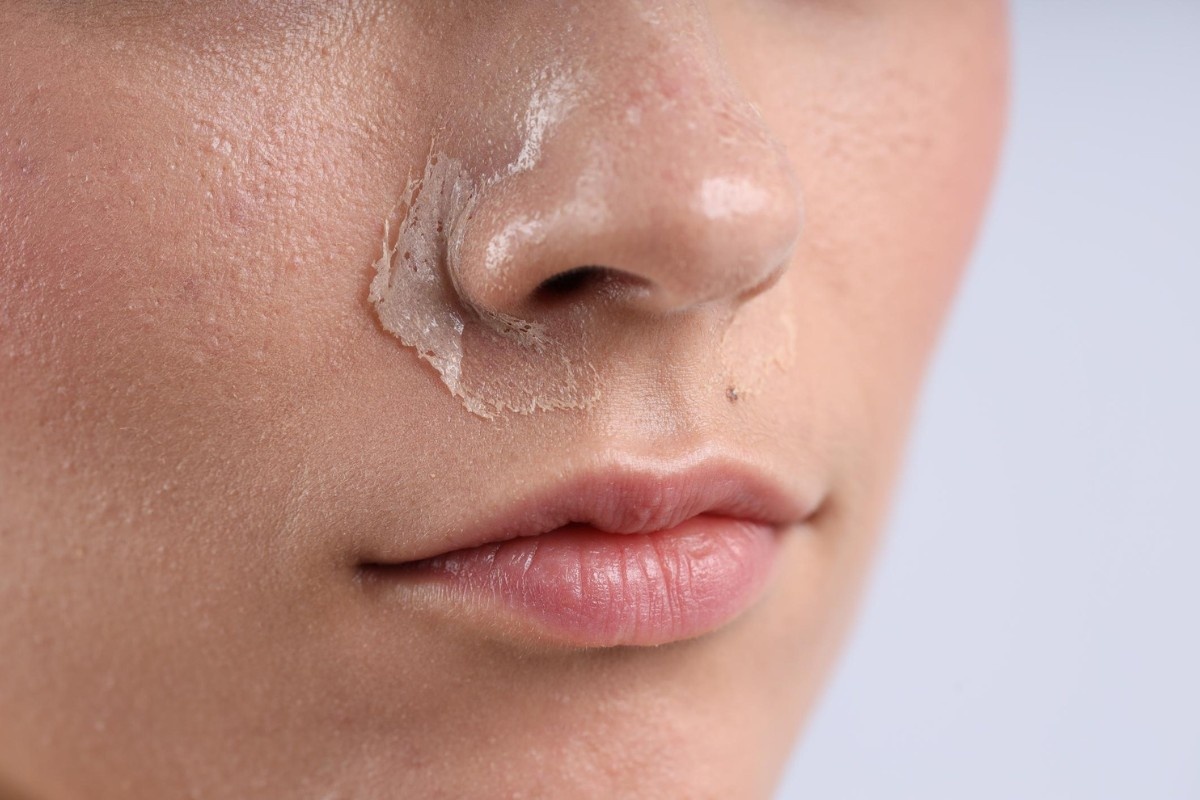
Redness, stinging, peeling, and increased sensitivity to sunlight are common short-term responses. These typically resolve within days to a week.
Less common complications
Postinflammatory hyperpigmentation, especially in darker skin tones, and allergic reactions are possible. Properly selected concentrations, patch testing, and sun avoidance reduce risk.
When to seek professional care
If symptoms worsen, signs of infection arise (increasing pain, swelling, drainage), or pigmentation concerns persist, contact a qualified clinician for evaluation.
Practical tips for safer, more effective results
- Follow a pre- and post-procedure plan recommended by a licensed provider.
- Use broad-spectrum sunscreen daily and avoid intentional sun exposure during recovery.
- Start with lower concentrations or patch tests if sensitive or uncertain about skin response.
- Combine peels with supportive skincare (hydrators, barrier repair ingredients) rather than layering multiple strong actives immediately after treatment.
Cost and frequency
Costs vary by provider, geographic area, and formulation. Superficial peels are often offered in single sessions or as a series spaced weeks apart. Typical maintenance schedules may include periodic treatments combined with an at-home regimen to sustain results.
What is a superficial chemical peel?
A superficial chemical peel is a minimally invasive procedure using mild acids to exfoliate the outer epidermal layer, improving texture, tone, and minor pigment issues while requiring limited downtime.
How many treatments are usually needed?
Improvement is often cumulative. Many treatment plans recommend a series of 3–6 sessions spaced several weeks apart, but the exact number depends on skin goals, the agent used, and individual response.
Is a superficial chemical peel safe for all skin types?
Many skin types can tolerate superficial peels, but darker skin tones have a higher risk of postinflammatory pigmentation. A consultation with a licensed dermatologist or qualified skincare professional helps select safe formulations and protocols tailored to individual skin characteristics.
How long before sun exposure is safe after a peel?
Skin is more photosensitive after a peel. Strict sun avoidance and daily use of broad-spectrum sunscreen are recommended during the healing period; specific timing should follow the provider's post-care instructions.
Can superficial peels be done at home?
Low-concentration at-home chemical exfoliants exist and can complement in-office peels, but professional treatments use controlled formulations and techniques. When using at-home products, follow manufacturer guidance and consider periodic professional evaluations to monitor skin response.
Do results last?
Results can be maintained with ongoing skincare that includes sun protection, gentle exfoliation, and, when appropriate, periodic professional treatments. Long-term outcomes depend on lifestyle, sun exposure, and consistent maintenance.
Where to get more information
Reliable sources include professional dermatology organizations and licensed skincare providers. For condition-specific concerns or personalized recommendations, consult a licensed dermatologist.