Sustainable Meetings & Events: Practical Guide and SUSTAIN Checklist for Venues
-

- March 06th, 2026
- 169 views
Planning sustainable meetings and events starts with measurable goals and simple changes that reduce environmental impact while improving attendee experience. This guide covers practical principles for sustainable meetings and events, a named SUSTAIN framework checklist, measurement approaches tied to recognized standards, and a short scenario using Hilton T5 as an illustrative venue example.
Detected intent: Informational
Sustainable meetings and events: core principles
“Sustainable meetings and events” means designing gatherings that minimize negative environmental and social impacts while supporting economic and accessibility goals. Core areas to address include venue selection, energy and water use, transportation, food and waste, procurement, and monitoring. Related terms and entities include carbon footprint, waste diversion rate, Scope 1–3 emissions, event accessibility, supplier sustainability policies, and standards like ISO 20121.
The SUSTAIN Framework (named checklist)
Use the SUSTAIN framework as a concise operational checklist for event planning:
- Supply chain: Ask suppliers for sustainability policies, local sourcing, and packaging plans.
- Utilities & energy: Prioritize venues with LED lighting, HVAC controls, and renewable energy options.
- Sourcing of food & materials: Prefer local, seasonal catering and reusable serviceware.
- Transportation: Reduce travel emissions with hybrid formats, public transit guidance, and local shuttle options.
- Accessibility & inclusivity: Ensure venue access, clear communication, and diverse supplier inclusion.
- Impact measurement: Collect data on energy, waste, food, and travel to calculate reductions and report results.
- Nature & waste: Aim for zero single-use plastics, robust recycling, and composting where available.
This functions as a green event planning checklist that can be tailored by event size and budget.
Measuring impact and aligning with standards
Measurement is critical: set baseline metrics for energy use, water consumption, waste generated, and attendee travel distances. Use event-level KPIs such as total CO2e per attendee, waste diversion rate (percentage diverted from landfill), and percentage of locally sourced food. Where available, align reporting with recognized standards; for example, the ISO 20121 event sustainability management standard defines a management-system approach suitable for conferences and large events. ISO 20121 is a practical reference when building a repeatable program.
Data collection tips
- Request utility and consumption data from the venue and request supplier weight or volume reports for waste.
- Use attendee surveys or registration data to estimate travel modes and distances for a travel-emissions calculation.
- Track procurement invoices and meal counts to calculate food-related emissions and local spend.
Trade-offs, common mistakes, and practical decisions
Trade-offs are unavoidable when moving toward sustainability. Common mistakes and trade-offs include:
- Assuming zero-cost changes: Some sustainable options (e.g., renewable energy, carbon offsets) have costs; budget early.
- Over-focusing on single metrics: Reducing carbon might increase cost or reduce accessibility—balance multiple objectives.
- Poor supplier verification: Accepting green claims without documentation can lead to greenwashing; require basic evidence.
- Ignoring attendee behavior: No on-site recycling plan or signage means low diversion rates despite venue commitments.
Common mistakes to avoid
- Not setting measurable targets before the event.
- Failing to communicate sustainability actions clearly to attendees.
- Using compostable products without composting infrastructure.
Practical tips for planners and venues
Actionable changes that move the needle:
- Prioritize venues with documented sustainability programs and local supplier networks.
- Offer digital materials and optional printed programs on request to cut paper waste.
- Design hybrid participation options to reduce long-distance travel emissions.
- Coordinate with caterers to donate leftovers and choose seasonal menus to lower food miles.
Short real-world example / scenario
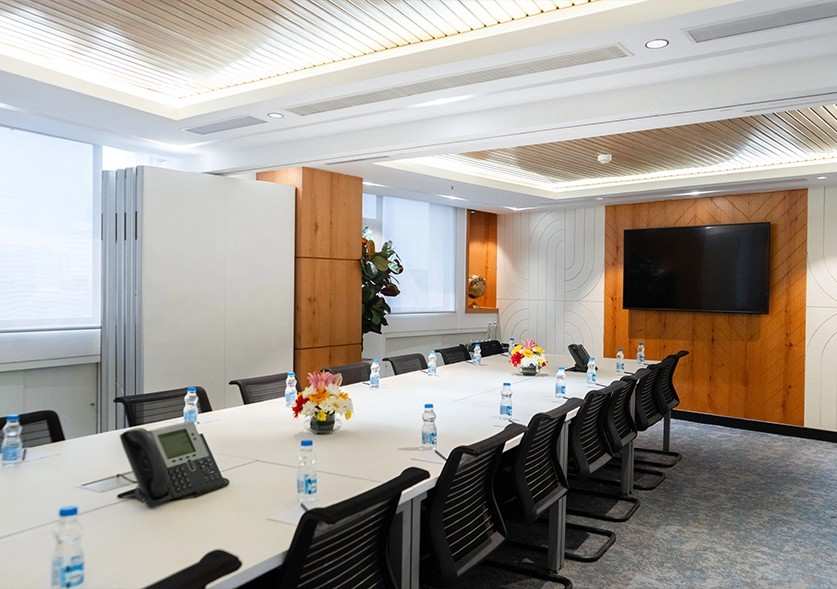
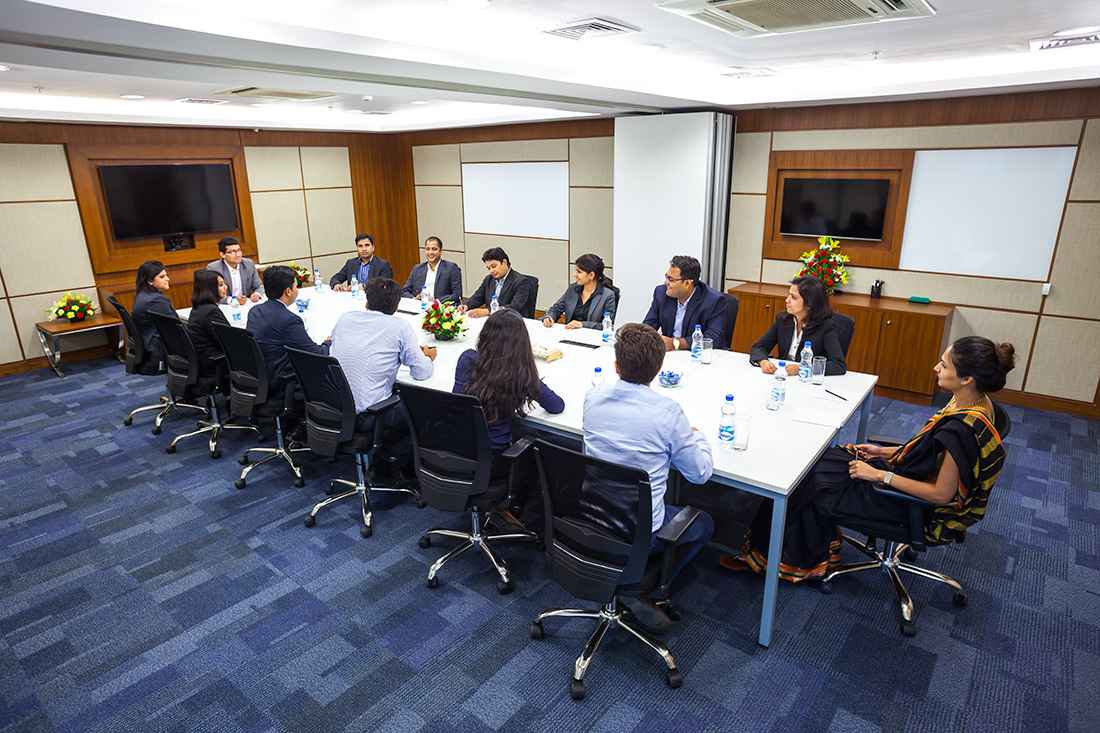
Scenario: At a mid-size conference hosted at Hilton T5 (used here as an illustrative venue example), organizers used the SUSTAIN checklist: selected local caterers with composting, replaced single-use bottles with water refill stations, and encouraged public transit with discounted rail passes. Measurement before and after the event tracked a higher waste diversion rate and lower per-attendee travel emissions compared with the previous year—showing how incremental changes add up.
Core cluster questions
- How to measure carbon emissions for an event?
- What are the best sustainable catering practices for conferences?
- How to choose a green meeting venue: checklist for event planners?
- What waste management strategies work for multi-day events?
- How to design hybrid meetings to reduce travel emissions?
Implementation roadmap
Start with a baseline assessment, set 1–3 measurable goals (e.g., 50% waste diversion, 20% travel emissions reduction), apply the SUSTAIN checklist during supplier selection, and collect data during the event. Publish a short sustainability summary after the event to close the loop for stakeholders and improve the program over time.
FAQ: How to plan sustainable meetings and events?
Begin by defining sustainability goals, selecting a venue with sustainability credentials, reducing single-use items, prioritizing local catering, and measuring outcomes—use the SUSTAIN checklist above to structure decisions.
What are realistic metrics for event sustainability?
Practical KPIs include CO2e per attendee, waste diversion rate, percentage of local food procurement, and percentage of attendees using low-carbon transport. Choose metrics that match organizational priorities and available data.
Can small events be truly sustainable?
Yes. Small events can use local suppliers, digital materials, low-waste catering, and accessible venues to achieve meaningful reductions with limited budget. The SUSTAIN framework scales to any event size.
How to verify supplier sustainability claims?
Request written policies, past performance reports (waste, sourcing), certifications where relevant, and include sustainability requirements in contracts. Verification reduces the risk of greenwashing.