Best Teeth Whitening Options: Compare Professional, At‑Home & Natural Methods
-

- March 21st, 2026
- 256 views
Intro: What to expect from teeth whitening options
Choosing among teeth whitening options can be confusing: professional office treatments, dentist-prescribed take-home trays, consumer over-the-counter kits, whitening toothpaste, and DIY or natural methods all promise a brighter smile. This guide outlines how each approach works, who benefits most, and practical steps for safe, visible results.
- Professional whitening delivers the fastest, most controlled results; at-home kits balance cost and effectiveness.
- Whitening toothpaste and strips help with surface stains but are limited for deep discoloration.
- Sensitivity and existing dental work (crowns, veneers) change recommendations—use the BRIGHT checklist to choose.
Detected intent: Informational
Teeth whitening options: professional, at-home, and natural approaches
Most teeth whitening options fall into three categories: in-office professional procedures, at-home dentist-supervised or over-the-counter systems, and natural or DIY approaches. Each category uses different active agents (commonly hydrogen peroxide or carbamide peroxide), strengths, and application methods. Results vary by stain type—extrinsic (surface) stains from coffee, tea, tobacco, or intrinsic staining related to aging, antibiotics, or trauma.
How professional whitening works
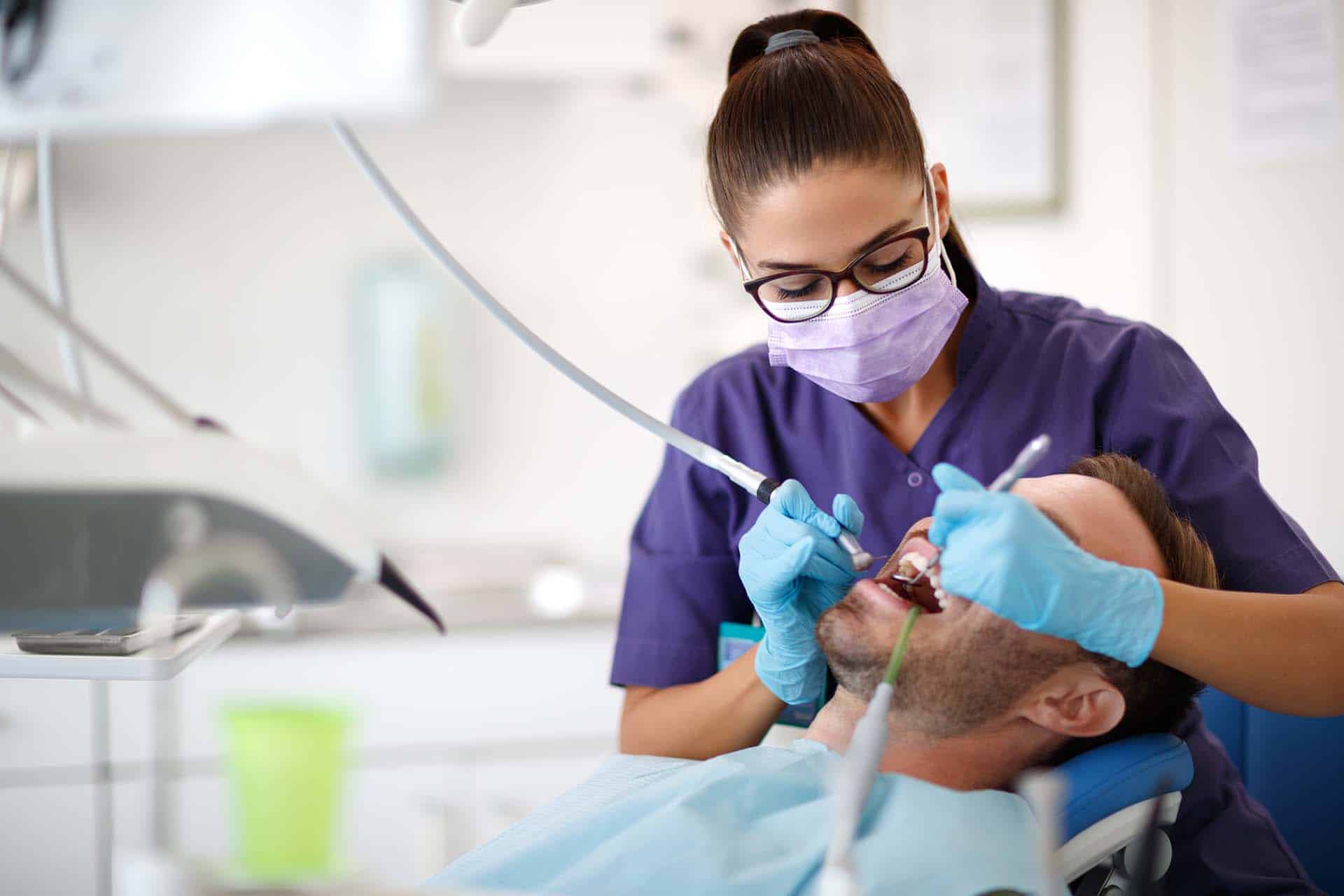
In-office whitening typically uses high-concentration peroxide gels applied by a dental professional. Some practices add light or laser activation to accelerate the chemical reaction. Benefits include fast, predictable color change and professional oversight for sensitivity or gum protection. Drawbacks can include higher cost and more immediate sensitivity.
At-home kits and over-the-counter methods
At-home options include custom take-home trays from a dentist, over-the-counter whitening kits with strips or trays, and whitening toothpaste. Custom trays use lower-concentration peroxide over several nights and often reduce sensitivity compared with in-office treatments. OTC products are more affordable but offer weaker peroxide concentrations and variable fit, which limits results.
Natural and DIY approaches
Natural methods—such as baking soda, oil pulling, or activated charcoal—focus on abrasive or adsorption actions and may reduce surface stains. These approaches rarely change intrinsic discoloration and risk enamel abrasion if used repeatedly or aggressively.
Who should choose which option?
Match the method to goals, tooth sensitivity, dental restorations, and budget. Professional treatment suits people wanting immediate, noticeable whitening and those with moderate intrinsic stains. Dentist-supervised take-home systems are a middle path for controlled, gradual whitening. Over-the-counter kits work well for mild surface stains or maintenance. Whitening toothpaste and trays are maintenance tools rather than solutions for deep discoloration. Avoid aggressive DIY abrasion for sensitive or thin enamel.
Key factors to consider
- Stain type (extrinsic vs intrinsic)
- Existing dental work (veneers/crowns won’t whiten)
- Sensitivity history and gum health
- Cost and desired speed of results
BRIGHT checklist: A practical framework for choosing
Use the BRIGHT checklist before starting any whitening regimen:
- Budget — Estimate total cost and maintenance expenses.
- Risks — Check sensitivity, gum disease, or enamel concerns.
- Ingredients — Confirm peroxide type and concentration.
- Goal — Define how many shades brighter are acceptable.
- Health — Resolve cavities and gum issues with a dentist first.
- Timeline — Match method speed to scheduling needs.
Practical example: A real-world scenario
Scenario: A 35-year-old with coffee stains, mild sensitivity, and two porcelain crowns on front teeth wants a brighter smile for an upcoming event. Application of the BRIGHT checklist: Budget allows moderate spending, risk of sensitivity exists, crowns won’t change color, the goal is 2–3 shades brighter, dental health is good, and the timeline is four weeks. Recommended path: dentist-supervised take-home trays with low-concentration gel plus a desensitizing toothpaste for the two-week course; accept that crowns may need replacement later to match the new shade.
Practical tips for safe, effective whitening
- Consult a dentist before starting whitening if there are fillings, crowns, or active dental disease.
- Use barrier protection for gums with trays that fit properly—poor fit causes uneven whitening and irritation.
- Manage sensitivity with potassium nitrate or fluoride-containing products and shorter application times initially.
- Maintain results by avoiding staining foods and using whitening toothpaste or periodic touch-up trays.
Trade-offs and common mistakes
Trade-offs to weigh
Speed vs sensitivity: faster professional methods increase short-term sensitivity. Cost vs control: custom dentist solutions cost more but reduce risks and improve uniformity. Coverage vs permanence: veneers or crowns give permanent color but require irreversible tooth preparation.
Common mistakes
- Skipping a dental check-up before whitening—undetected decay or gum disease can worsen with peroxide exposure.
- Overusing abrasive DIY methods (e.g., baking soda or charcoal) that erode enamel over time.
- Expecting whitening to change the color of restorations (veneers, crowns, fillings do not respond to peroxide).
Core cluster questions for further reading and internal linking
- How does professional teeth whitening compare to at-home kits?
- What causes tooth sensitivity after whitening and how to prevent it?
- Which whitening toothpastes are effective for surface stains?
- Can whitening treatments damage enamel and how to avoid it?
- How to match whitening results when some teeth have crowns or veneers?
Resources and best-practice reference
For evidence-based guidance on whitening safety and product information, refer to the American Dental Association’s consumer information on whitening: https://www.mouthhealthy.org/en/az-topics/w/whitening.
FAQ
What are the most common teeth whitening options?
Common choices include in-office professional whitening, dentist-prescribed take-home trays, over-the-counter strips and trays, whitening toothpastes, and natural or DIY methods. Each uses different peroxide concentrations or mechanical abrasion, with varying speed, cost, and sensitivity risk.
Is professional whitening worth the cost compared with at-home kits?
Professional whitening provides faster, often more uniform results, and dental supervision reduces the risk of gum irritation and manages sensitivity. At-home dentist-supervised trays give controlled results at lower cost. Over-the-counter kits are best for mild, surface-only stains.
How long do whitening results last?
Duration depends on diet, staining habits, and maintenance. Typical results last from six months to two years; touch-ups with trays or whitening strips extend longevity.
Are there safe options for sensitive teeth?
Yes. Low-concentration take-home gels, shorter application times, desensitizing toothpaste, and a dentist’s guidance reduce sensitivity risk. Avoid high-concentration in-office products without professional evaluation if sensitivity is present.
Can whitening harm dental restorations?
No—resin, porcelain, and metal restorations do not whiten with peroxide. Planning may be needed to match restorations after bleaching if a lighter tooth shade is achieved.