Tennessee Pool Landscaping Guide: Designs, Plants, and Permits
-

- February 24th, 2026
- 1,044 views

👉 Best IPTV Services 2026 – 10,000+ Channels, 4K Quality – Start Free Trial Now
Transforming a backyard in Tennessee often starts with thoughtful pool landscaping in TN that fits the state's climate, soils, and local rules. Good pool landscaping balances aesthetics, safety, and maintenance while using plants and materials adapted to Tennessee's rainfall and seasonal temperatures.
Pool landscaping in TN: climate, planning, and permits
Understand local climate and soils
Tennessee spans USDA hardiness zones roughly 6b to 8a. Humid summers, periodic heavy rain, and clay or loamy soils in many areas influence plant selection and hardscape design. Choose species tolerant of heat, humidity, and occasional flooding. Incorporating erosion-control measures and permeable surfaces helps manage runoff and protect pool water quality.
Check permits and regulations
Before construction, confirm local requirements with the county building department and any homeowners association. For environmental or water-related rules, review guidance from state agencies such as the Tennessee Department of Environment & Conservation. For landscape plant recommendations and regional best practices, consult the University of Tennessee Extension: University of Tennessee Extension.
Design elements that work well in Tennessee
Hardscape choices
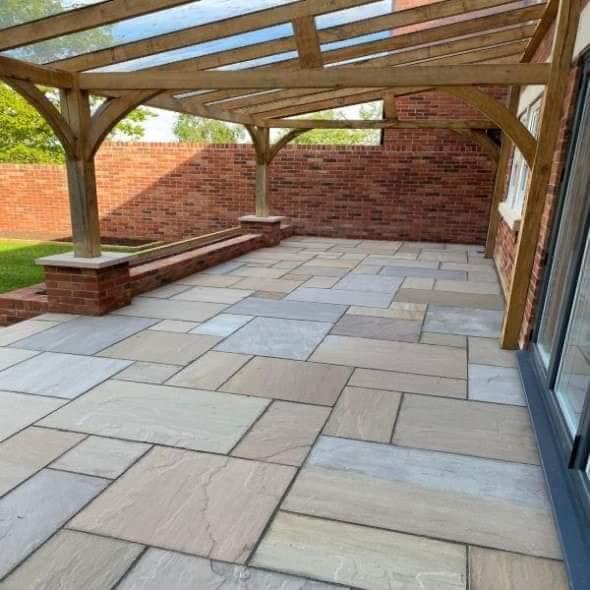
Select decking and pool surrounds based on slip resistance, heat retention, and maintenance. Common options include concrete with textured finishes, natural stone (limestone or bluestone), pavers, and composite decking. Permeable pavers and gravel areas reduce runoff. Keep pathways wide and use non-slip surfaces near the pool.
Lighting and outdoor living spaces
Low-voltage LED lighting enhances safety and extends usable hours. Incorporate layered lighting: task lights for steps and pool edges, accent lights for specimen plants, and path lighting for circulation. Design seating and dining areas with shade structures or pergolas to suit Tennessee summers.
Plants and planting strategies for Tennessee pools
Native and low-maintenance plant options
Native trees and shrubs are adapted to local pests, soils, and rainfall and often require less irrigation. Consider species such as eastern redbud (Cercis canadensis), flowering dogwood (Cornus florida), river birch (Betula nigra) for wet-tolerant sites, mountain laurel (Kalmia latifolia) for shaded areas, and native viburnums. Use ornamental grasses and groundcovers to stabilize slopes and reduce debris entering the pool.
Plant placement and salt/chlorine considerations
Place trees a safe distance from pool edges to limit leaf drop and root interference with plumbing and decking. Choose plants tolerant of occasional spray or splashing from chlorinated or saltwater pools—many woody natives perform well. Avoid messy fruiting trees directly above the pool.
Practical considerations: drainage, safety, and maintenance
Manage drainage and erosion
Design grading so stormwater flows away from the pool and surrounding structures. Install French drains, catch basins, or bioswales where necessary. Retaining walls with proper drainage can stabilize steep yards. Good drainage reduces sediment and nutrient loads that can cause algae.
Safety and code compliance
Comply with local fencing and barrier codes to reduce drowning risk. Include self-closing gates, compliant fence heights, and lockable covers where required. Lighting, anti-slip surfaces, and clear sightlines from house to pool area are important considerations for usability and safety.
Maintenance planning
Design landscapes to minimize debris entering the pool: choose evergreen or neat-drop shrubs near water, schedule pruning away from peak swimming times, and consider a regular leaf removal plan. Group plants by water needs and consider drip irrigation to conserve water and reduce spray into the pool.
Installation approach and budget tips
Phased installation
Break the project into phases—pool shell and decking, hardscape features (patios, retaining walls), planting, and lighting—so costs can be spread over time. A staged approach allows observation of microclimates and adjustments before final planting.
Working with contractors and professionals
Engage licensed contractors for electrical, plumbing, and structural work. Landscape architects or certified landscape designers can provide planting plans that reduce long-term maintenance and water use. Verify credentials and request references or portfolios of completed pool-adjacent landscapes.
Frequently asked questions
How to plan pool landscaping in TN?
Start by assessing microclimates (sun, shade, wind), soil type, drainage patterns, and local codes. Choose hardy, low-debris plants, plan for adequate drainage, and select slip-resistant hardscape materials. Confirm permits and consult extension resources or local professionals for region-specific guidance.
What plants are best near Tennessee pools?
Native species such as eastern redbud, flowering dogwood, river birch, mountain laurel, and native grasses are good choices. Opt for plants with limited leaf drop and non-invasive root systems. Use understory shrubs and groundcovers to reduce erosion and create visual buffers.
Are there permits required for pool landscaping?
Permitting requirements vary by county. Building permits may be required for fencing, retaining walls, or major grading. For water and environmental concerns, check with the Tennessee Department of Environment & Conservation and the local building department before starting work.
How to minimize maintenance around a pool?
Choose low-debris plants, zone irrigation, install screens or windbreaks where appropriate, and design grading to divert runoff. Regular pruning and a seasonal cleanup schedule reduce debris that can affect pool chemistry and filtration.