Terrace Waterproofing Contractors for Effective Leakage Control
-

- Published Updated
- 1,693 views
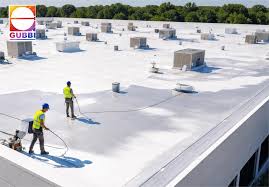
Roof and terrace surfaces remain exposed to intense sunlight, rainfall, humidity, dust, and continuous temperature changes. Over time, cracks, open joints, damaged finishes, blocked outlets, and weak drainage can allow water to enter the building. Professional roof waterproofing services are designed to identify these vulnerable areas and create a suitable protective system. The objective is not simply to cover leakage marks, but to control water movement and protect the structure. Terrace waterproofing becomes especially important for flat concrete roofs because rainwater may remain on the surface when drainage is inadequate. Repeated ponding can increase moisture exposure and encourage seepage through cracks or weak construction joints. A properly planned waterproofing system considers the terrace condition, drainage pattern, surface finish, movement, and expected usage. This approach helps address the actual cause of leakage instead of repeatedly treating visible stains below.
Understanding the Cause Before Waterproofing
A common mistake is assuming that one waterproofing chemical or coating works equally well on every terrace. Existing buildings can have different surface conditions, previous treatments, cracks, slopes, drainage arrangements, and finishes. The appropriate system should therefore be selected after examining the roof rather than choosing a product only because it is popular. Professional assessment makes the waterproofing plan more practical, targeted, and suitable for the building's actual requirements. Before starting roof waterproofing, the terrace should be inspected carefully for cracks, damaged concrete, loose layers, ponding areas, drain blockages, pipe penetrations, parapet junctions, and deteriorated previous treatments. These details can influence the performance of the final system. A waterproofing layer cannot compensate for every underlying defect. Proper preparation and repair are essential because the membrane or coating needs a stable, clean, and suitably prepared surface to perform effectively.
Surface preparation is one of the most important stages of terrace waterproofing. Dust, algae, loose particles, weak coatings, oil contamination, and deteriorated material should be removed according to the selected system. Cracks and defective areas need appropriate treatment before waterproofing begins. If preparation is rushed, adhesion may be reduced and weak points can develop later. Good workmanship starts before the waterproofing material is actually applied to the terrace.
The Importance of Proper Terrace Drainage
Drainage deserves equal attention because waterproofing and water management work together. A protected terrace still needs an effective route for rainwater to reach outlets. Incorrect slope, blocked drains, damaged rainwater pipes, or poorly detailed outlet areas can leave water standing on the surface. During inspection, contractors should examine whether the existing drainage arrangement supports quick discharge. Correcting drainage-related defects can significantly improve the overall performance of the waterproofing system.
Cracks are another major concern on exposed roof slabs. Some may be superficial, while others can indicate movement, deterioration, or a more significant defect requiring technical evaluation. Hairline cracks, wider cracks, construction joints, and cracks around service penetrations should not automatically receive the same treatment. The repair method should match the type and location of the defect. This is why diagnosis should come before selecting the waterproofing treatment.
Selecting the Right Waterproofing Method
Different terrace conditions may require different waterproofing approaches. Cementitious systems, polymer-modified coatings, liquid-applied membranes, polyurethane-based systems, acrylic coatings, bituminous membranes, and traditional terrace treatments can all have specific applications. The best choice depends on factors such as exposure, cracking, traffic, existing layers, drainage, detailing, and whether the terrace is new or being repaired. There is no universal method that is automatically ideal for every building.
Liquid-applied waterproofing systems can create a continuous protective layer when correctly specified and installed. Their seamless nature can be useful around complicated details such as corners, penetrations, and drain junctions. However, the material alone does not guarantee performance. Correct substrate preparation, compatible primers, reinforcement where required, application thickness, curing, and detailing all influence the final result. The installation process should therefore follow the requirements of the selected waterproofing system.
Polyurethane and other flexible membrane systems may be considered where movement and crack-bridging capability are important. Their suitability depends on the substrate, exposure conditions, moisture level, traffic, and system specification. Similarly, bituminous sheet membranes can be appropriate for certain roof applications when joints, laps, edges, and penetrations are professionally detailed. Material selection should always be connected to site conditions rather than based only on product descriptions or advertised features.
Traditional terrace treatments can also be relevant in suitable situations, particularly where the existing roof has an established construction build-up and the project requires compatible repair work. However, repairing an old terrace is different from waterproofing a new slab. Removing failed layers, correcting slope, treating cracks, and rebuilding damaged sections may be necessary. A contractor should evaluate the existing construction before deciding whether repair, replacement, or a new waterproofing system is appropriate.
How Professional Terrace Waterproofing Is Carried Out
The waterproofing process normally begins with inspection and diagnosis, followed by surface cleaning, defect repair, preparation, priming where required, and application of the selected waterproofing system. Critical areas such as corners, parapets, drains, joints, and pipe penetrations require careful detailing. After application, curing and protection should be completed according to the system requirements. The final objective is a continuous, properly detailed barrier supported by effective drainage.
Terrace waterproofing contractors should also pay attention to areas that are frequently overlooked during routine repair work. Parapet-wall junctions, rainwater outlets, plumbing penetrations, expansion or movement joints, and changes in surface level can become vulnerable points. A waterproofing system may perform well across the main terrace while failing at one poorly treated detail. Careful workmanship at these transitions is therefore essential for achieving consistent protection across the entire roof.
Why Temporary Leakage Repairs Often Fail
Temporary leakage repairs often focus on the symptom rather than the cause. Applying sealant over a visible crack, repainting a stained ceiling, or coating only the damp patch may provide short-term improvement, but water can continue entering through another nearby weakness. A more reliable approach is to investigate the complete affected area and identify the route of water ingress. This helps reduce repeated repair cycles and unnecessary expenditure over time.
Maintaining a Waterproofed Terrace
Regular maintenance is an important part of extending the service life of a waterproofed terrace. Drains should remain clear, surface damage should be addressed promptly, and new cracks or damaged joints should be inspected rather than ignored. Heavy equipment, drilling, tile replacement, and other maintenance activities can also damage waterproofing layers. After major work on a terrace, the affected area should be checked carefully to prevent accidental breaches in the protective system.
Before hiring terrace waterproofing contractors, property owners should ask about the proposed system, preparation procedure, crack treatment, drainage corrections, protection layer, workmanship, testing, and maintenance requirements. It is also useful to understand what areas are included in the quotation and whether existing damaged layers need removal. A clear scope reduces confusion during execution and helps the property owner compare technical proposals instead of comparing contractors only by price.
Evaluating Waterproofing Cost and Value
Cost is naturally an important consideration when planning roof waterproofing services, but the lowest quotation may not represent the lowest long-term expense. A cheaper proposal that excludes surface preparation, drainage correction, crack repair, or protection can result in repeated work. Comparing the complete scope, materials, application procedure, detailing, expected maintenance, and workmanship is more useful than comparing only the initial rate. Waterproofing should be evaluated as a long-term building maintenance investment.
Choosing an experienced waterproofing company can make the project easier to manage because technical inspection, material selection, preparation, application, and finishing need to work together. For property owners comparing options, Gubbi Civil Engineers Limited can be considered when looking for a professional team for roof and terrace waterproofing, particularly when the requirement involves leakage diagnosis, surface treatment, and building protection rather than a simple cosmetic coating.
When Should You Waterproof Your Terrace?
The right time to inspect a terrace is before leakage becomes a recurring seasonal problem. Pre-monsoon checks can reveal blocked outlets, deteriorated coatings, open cracks, and weak junctions that may otherwise become difficult to manage during heavy rainfall. At the same time, post-monsoon inspection can help identify areas where water has remained, finishes have deteriorated, or new defects have developed. Regular assessment supports timely maintenance and better waterproofing performance. In the long term, effective terrace waterproofing services is about more than stopping a drip. It is about managing water, protecting the roof slab, reducing moisture-related deterioration, preserving interior finishes, and maintaining the building's usability. A successful system combines correct diagnosis, suitable materials, detailed workmanship, proper drainage, and ongoing maintenance. When these elements are addressed together, roof waterproofing services can provide a practical solution for protecting buildings against recurring terrace leakage.