Permanent Skin Whitening Treatments in Dubai: Safe Options, How They Work, and Clinic Checklist
-

- February 28th, 2026
- 820 views

FREE SEO Topical Map Generator: Find Your Next Content Ideas
The term permanent skin whitening treatments Dubai appears frequently in search queries from people seeking long-term reduction of hyperpigmentation and melanin-based discoloration. This guide explains realistic outcomes, the main procedures available in Dubai, safety considerations, and a practical SAFE checklist to evaluate clinics and treatment plans.
- Detected intent: Informational
- What this covers: realistic results of long-term melanin reduction procedures, risks, cost drivers, and how to choose a reputable clinic in Dubai.
- Includes: SAFE checklist, practical tips, trade-offs, and core cluster questions for further reading.
permanent skin whitening treatments Dubai: realistic expectations
No procedure reliably guarantees fully permanent skin whitening; most professional options focus on long-term melanin reduction and even skin tone. Treatments commonly sought in Dubai include laser and light-based therapies, prescription topical regimens, and medium-depth chemical peels. Outcomes depend on baseline skin type (Fitzpatrick scale), the underlying cause of pigmentation (melasma, post-inflammatory hyperpigmentation, lentigines), and ongoing sun protection.
Main treatment categories and how they work
Laser and light-based therapies
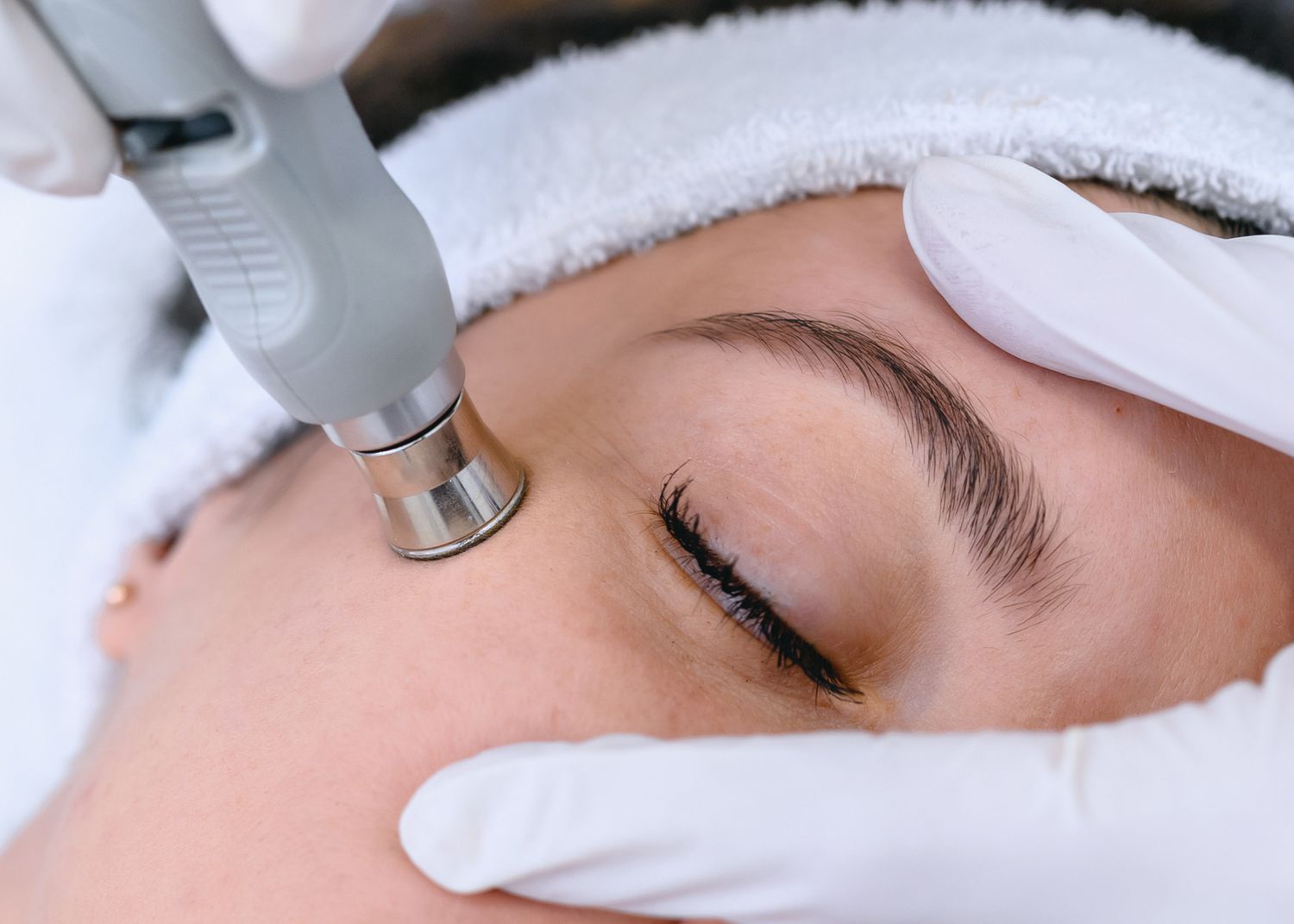
Q-switched and picosecond lasers, fractional lasers (ablative and non-ablative), and intense pulsed light (IPL) target melanin or pigmented lesions. These therapies fragment pigment particles so the body can clear them. Multiple sessions are typical; maintenance treatments may be required. For darker skin types, specific laser settings and conservative protocols are essential to avoid hypopigmentation or scarring.
Prescription topical agents and medical peels
Prescription-strength hydroquinone (when indicated and monitored), azelaic acid, tranexamic acid, and retinoids reduce melanin production or speed cell turnover. Medium-depth chemical peels (TCA, glycolic) remove the upper layers of epidermis to improve tone. Long-term use of some agents needs medical supervision and periodic reassessment.
Combination and procedural adjuncts
Micro-needling, PRP, and localized cryotherapy are sometimes combined with topicals or lasers to enhance results. Combining modalities is common for recalcitrant melasma or deep post-inflammatory hyperpigmentation but increases complexity and risk.
SAFE checklist: a simple framework for choosing a clinic or plan
- Scope & diagnosis — Confirm a board-certified dermatologist has diagnosed the pigment cause (melasma vs. PIH vs. lentigo).
- Assess skin type & risk — Fitzpatrick type assessment and review of prior treatments to avoid overtreatment.
- Find approved procedures — Prefer evidence-backed protocols and ask about device registration and clinician training.
- Evaluate follow-up & sun-safety — Clear aftercare, plan for maintenance, and explicit sun-protection guidance.
Costs, timeframes, and realistic maintenance
Costs in Dubai vary by clinic reputation, device, and session number. Laser courses often require 3–6 sessions spaced weeks apart. Topical regimens may take 8–16 weeks to show measurable change. Even with good results, yearly maintenance or touch-ups are common, and strict sun protection is required to preserve outcomes.
Trade-offs and common mistakes
Trade-offs to consider:
- Speed vs. safety: Aggressive protocols can deliver faster results but raise the risk of hypopigmentation or scarring, especially on darker skin tones.
- Cost vs. permanence: More expensive combination treatments may be longer-lasting but rarely eliminate the need for future maintenance.
- Topicals vs. procedures: Prescription topical therapy is less invasive and lower risk, but slower and requires ongoing adherence.
Common mistakes:
- Using over-the-counter or unregulated lightening creams without supervision (risk of mercury or inappropriate hydroquinone use).
- Skipping diagnostic steps — treating symptoms without identifying triggers (hormonal melasma, medications, or inflammation).
- Inadequate sun protection after treatment, which reduces benefits and increases relapse.
Practical tips before booking a procedure
- Ask to see before-and-after cases on similar skin types and request device and clinician credentials.
- Insist on a written treatment plan that includes alternatives, expected number of sessions, downtime, and follow-up.
- Verify consults are led by a board-certified dermatologist (or equivalent) and that prescriptions are medically supervised.
- Plan for year-round sun protection: broad-spectrum SPF 50+, physical blockers, hats, and avoidance of peak UV hours.
Short real-world example
A 35-year-old with hormonal melasma (Fitzpatrick IV) consulted a dermatologist in Dubai. Diagnosis confirmed melasma. The clinic proposed a conservative plan: tranexamic acid topical therapy plus quarterly low-fluence picosecond laser sessions and strict photoprotection. After five months, the patient achieved marked improvement with minimal downtime and continues on maintenance topical therapy and sun protection.
For safety resources on topical agents and hyperpigmentation management, authoritative dermatology guidance is available from professional societies such as the American Academy of Dermatology (AAD): https://www.aad.org.
Core cluster questions
- How do laser types (Q-switched vs. picosecond vs. fractional) compare for long-term melanin reduction?
- What are the safest topical ingredients for long-term skin lightening?
- How should treatment plans be adjusted for darker Fitzpatrick skin types?
- When is combination therapy (laser + topical) appropriate for melasma?
- What aftercare and sun-protection routines best preserve results?
Choosing a clinic in Dubai — final checklist
- Confirm dermatological diagnosis and a written plan.
- Check clinician credentials and device approvals.
- Understand costs as a course, not a one-time fee.
- Prioritize clinics that provide clear follow-up and emergency contact details.
Are permanent skin whitening treatments Dubai safe?
Safety depends on accurate diagnosis, appropriate procedure selection, operator skill, and strict follow-up. No treatment should promise absolute permanence; reputable providers frame results as long-term melanin reduction with potential need for maintenance. Monitoring by a qualified dermatologist reduces the risk of adverse effects.
How many sessions do skin whitening procedures usually require?
Many laser courses require 3–6 sessions spaced 4–8 weeks apart; topical regimens take 8–16 weeks for visible improvement. Exact numbers depend on the diagnosis, device, and individual response.
Can dark skin types get good results without hypopigmentation?
Yes, with conservative settings, clinician experience, and staged protocols. The risk of hypopigmentation or paradoxical darkening increases if aggressive treatments are used. Proper assessment and a tailored plan are essential.
What role does sun protection play after treatment?
Sun protection is essential. UV exposure triggers melanin production and undermines results. A regimen of broad-spectrum SPF 50+, physical blockers (zinc oxide/titanium dioxide), and protective clothing is recommended.
How long before results appear and how durable are they?
Initial improvements often appear within 4–12 weeks for topicals and after a series of laser sessions for device-based treatments. Durability varies; many patients need periodic maintenance and lifelong sun-protection to sustain results.