How to Choose the Perfect Salwar Kameez for Your Body Type: A Practical Fit Guide
-

- March 30th, 2026
- 821 views

👉 Best IPTV Services 2026 – 10,000+ Channels, 4K Quality – Start Free Trial Now
The right salwar kameez can balance proportions, enhance features, and boost confidence — but not every cut suits every silhouette. This guide explains how to choose a salwar kameez for your body type with practical measurement tips, a named FIT Framework checklist, style trade-offs, and real-world examples.
Salwar kameez for your body type: quick fit guide
Why body type matters
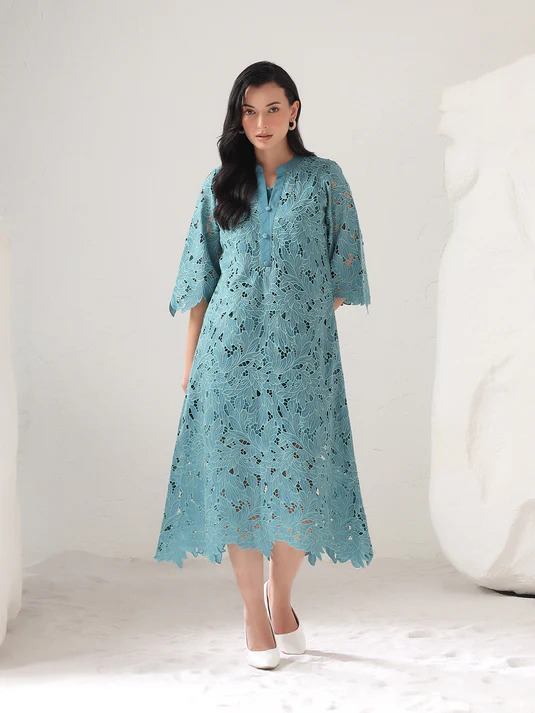
Salwar kameez designs vary widely — straight-cut kurtas, A-line kurtas, anarkalis, angrakhas, and churidar or palazzo bottoms all influence how the outfit sits on different bodies. Matching the right cut to shoulder, waist, hip proportions, and torso length prevents garments from emphasizing areas unintentionally and creates a balanced silhouette.
Measure and identify your body shape
How to measure
Use a soft measuring tape and record: bust (widest point), natural waist (narrowest point), and hips (widest point). Also note torso length from shoulder to waist and shoulder width. For guidance on interpreting measurements in relation to health and body composition, see the World Health Organization guidance on body mass index and population monitoring: WHO.
Common shape categories
- Apple (rounder midsection, slimmer hips and legs)
- Pear (wider hips, narrower shoulders and bust)
- Hourglass (balanced hips and bust with a defined waist)
- Rectangle (similar bust, waist, and hip measurements)
- Inverted triangle (broader shoulders, narrower hips)
FIT Framework: a checklist for choosing a salwar kameez
The FIT Framework (Fabric, Silhouette, Length, Tailoring) offers a repeatable method to evaluate options before buying.
- Fabric: Heavier fabrics (silk blends, brocades) drape differently than light cottons or chiffons. Heavier fabrics add structure; lightweight fabrics add movement.
- Silhouette: A-line, straight, anarkali, empire waist, or flared — pick one that complements the torso and hip balance.
- Length: Short kurtas (hip length), knee-length, calf-length, or floor-length change perceived proportions. Longer lengths elongate; shorter lengths can highlight legs.
- Tailoring: Darts, princess seams, and strategic panels create shape. Proper shoulder and bust fit is essential for a polished look.
FIT Checklist (printable)
- Measure bust, waist, hips, torso length
- Choose fabric weight appropriate for occasion and climate
- Select silhouette to balance widest point
- Confirm length that flatters leg and torso proportions
- Plan tailoring for shoulder and bust for best fit
Styles by body type (practical choices and trade-offs)
Pear shape: emphasize shoulders and lengthen torso
Go for A-line or angled kurtas, embellished necklines or shoulder details, and straight or lightly tapered bottoms. Avoid clingy fabrics at hips; choose structured tops and longer lengths that skim the hips.
Apple shape: create waist definition and elongation
Empire-waist kurtas, asymmetrical hems, and V-necks draw the eye upward and create a vertical line. Avoid heavy prints concentrated around the midsection. Straight or palazzo bottoms with a mid-rise can balance proportions.
Hourglass: celebrate the waist
Fitted kurtas with defined waistlines or belted styles enhance natural curves. Avoid overly boxy straight cuts unless tailored to nip in at the waist.
Rectangle: add curves and shape
Structured tailoring, princess seams, peplum kurtas, or layered styles add the illusion of a waist. Ruching, belts, and flared bottoms help break uniform lines.
Inverted triangle: balance shoulders with hip volume
Choose kurtas with minimal shoulder detail, soft V-necks, and fuller bottoms like sharara or wide palazzo to add volume to the lower body.
Practical tips for shopping and tailoring
- Bring your measurements and try on similar silhouettes in-store or request multiple sizes online to test proportions.
- Prioritize shoulder and bust fit over waist — both can be altered by a tailor; shoulder width is hard to change.
- Use contrasting lengths (long jacket over a straight kurta) to create vertical lines if height proportion is a concern.
- Choose prints and patterns to control focus: small repeated prints reduce volume, vertical stripes lengthen, and darker solids recede.
Common mistakes and trade-offs
Common mistakes
- Buying too-tight garments hoping tailoring will fix proportions — tightness at seams can be unfixable and uncomfortable.
- Ignoring shoulder fit — an oversized shoulder can make the whole outfit look disproportionate.
- Choosing heavy embellishment at the widest point (e.g., hip-heavy embroidery on pear shapes).
Trade-offs to consider
Structured fabrics create polish but reduce movement. Looser silhouettes increase comfort but may require added tailoring to avoid a baggy look. Decide which is more important for the event: comfort or sculpted appearance.
Real-world example: choosing an outfit for a wedding
Scenario: A pear-shaped guest wants a wedding-appropriate salwar kameez. Apply the FIT Framework: pick a medium-weight silk-blend fabric, an A-line knee-to-calf length kurta with embellishment around the neckline and shoulders, pair with straight churidar or lightly flared palazzo, and plan minor tailoring at the bust. Result: shoulder emphasis and a flowing skirt balance wider hips while maintaining formality.
Core cluster questions
- How to measure for a salwar kameez to ensure a good fit?
- What salwar kameez styles suit an apple body shape?
- Which fabrics are best for summer salwar kameez outfits?
- How much should a tailor alter a kurta for proportional fit?
- What are versatile salwar kameez cuts that flatter most body types?
FAQ
How to choose a salwar kameez for your body type?
Start by measuring bust, waist, and hips and identifying the widest point. Use the FIT Framework: pick a fabric and silhouette that either skims or structures around that point, choose a length that balances torso and leg proportions, and plan tailoring focused on shoulder and bust fit. Use vertical details and V-necks to elongate; add volume below the waist for inverted triangles and soften hips for pear shapes.
Can one salwar kameez design flatter multiple body types?
Yes. A well-cut A-line kurta in a medium-weight fabric with adjustable waist details (belt or side panels) can work across shapes. The key is tailoring for the shoulders and customizing length.
Is it better to buy ready-made or get a custom salwar kameez?
Ready-made pieces offer convenience and lower cost, but custom tailoring ensures the best fit for unique proportions. If budget allows, buy a ready-made base and invest in a tailor for minimal but targeted adjustments.
How to pick patterns and prints to flatter proportions?
Use smaller prints and darker colors on areas to downplay, and brighter colors or bigger motifs where attention is desired. Vertical or elongated prints help create length; horizontal emphasis can widen the perceived area.
What alterations are most useful for improving fit?
Shoulder adjustments, bust darts, shortening or lengthening the hem, and taking in the side seams are most effective. Avoid large-scale structural changes that require new patterning.