Comfortable Wedding Outfit Ideas: Look Stylish and Feel Great All Day
-
- March 03rd, 2026
- 324 views
Choosing comfortable wedding outfit ideas is about balancing appearance, movement, and endurance for an event that lasts hours. This guide lays out a practical approach to fabrics, fit, footwear, and makeup so the chosen look lasts from ceremony to last dance without compromising style.
Detected intent: Informational
comfortable wedding outfit ideas: core planning steps
Start by listing event specifics (outdoor vs indoor, length, dress code) and personal comfort priorities. For many, the right combination of breathable fabrics, a tailored fit, and supportive shoes makes the biggest practical difference. Consider how the outfit will behave while standing, sitting, walking, and dancing.
Fabric, fit, and function: choosing materials that work
Fabrics and breathability
Breathable, wrinkle-resistant fabrics improve comfort and appearance. Natural fibers (silk, cotton blends, linen blends) often breathe better than heavy synthetics. Lightweight mikado or charmeuse can hold structure while remaining manageable for photos and movement.
Fit and tailoring
Exact tailoring avoids tugging and pressure points. A seam allowance for last-minute adjustments and a trial fitting allow for posture, eating, and dance movements. For a suit or gown, discuss mobility with the tailor—slits, pleats, or slightly looser sleeves increase ease of motion without looking casual.
The 4C Comfort-Style Checklist (framework)
Use the 4C checklist as a decision framework when evaluating outfits or working with a designer/tailor:
- Coverage: Ensure hemlines and necklines match the venue and ceremony duties.
- Cooling: Prioritize breathable fabrics and ventilation for warm venues.
- Control: Tailor to avoid excess fabric that can cause trips or bunching.
- Cushion: Choose footwear and undergarments that provide support for standing and dancing.
Practical tips for makeup, hair, and shoes
wedding makeup for long events
Long-wear, water-resistant formulas and professional-setting techniques (layering cream then powder, setting spray) extend wear. Carry blotting papers and a small powder compact in the emergency kit to touch up without changing the look.
comfortable bridal shoes
Select shoes with proper arch support and a tested heel height. Break shoes in with short walks and wear them at home before the day. For extra comfort, consider cushioned insoles or a backup pair of low-profile flats for dancing—pack in the emergency kit or stash at the reception table.
For guidance on shoe fit and foot health, refer to the American Podiatric Medical Association for best practices on sizing and support: American Podiatric Medical Association.
Real-world example: an outdoor summer wedding
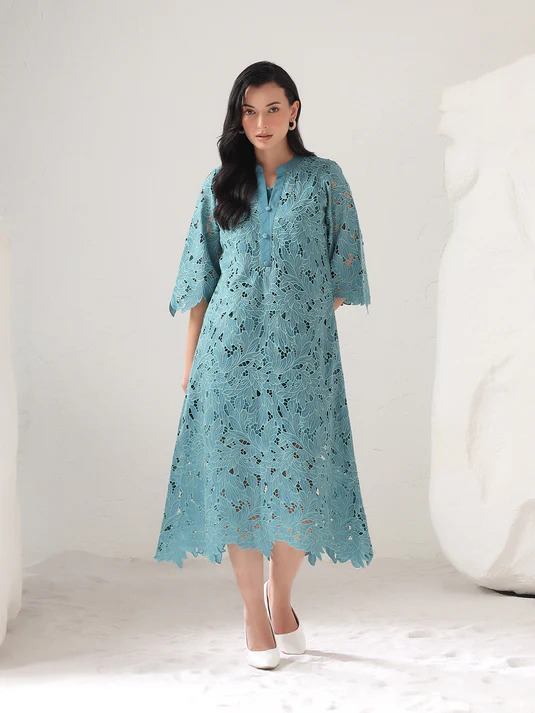
Scenario: A guest attending a late-afternoon outdoor wedding with cocktail attire expected. Recommended approach: choose a mid-weight linen-silk blend dress with a fitted bodice and A-line skirt to allow airflow and movement; pair with a 2" block heel and cushioned insoles; use long-wear waterproof mascara and a matte lip topcoat. Arrange a light matching shawl for temperature changes and a small pouch containing blotting papers and a travel deodorant.
Trade-offs and common mistakes
Trade-offs to expect
- Style vs support: very high heels and sculpted corsetry may flatter silhouette but reduce comfort—plan for gradual wear or a change of shoes later.
- Wrinkle-free synthetics vs breathability: synthetic blends resist creasing but can trap heat at outdoor events.
- Heavy embellishment vs mobility: ornate beading adds weight and stiffness; pick strategic embellishment rather than full coverage.
Common mistakes
- Skipping a full dress/suit rehearsal including shoes and undergarments.
- Choosing unfamiliar footwear for the first time on the wedding day.
- Overlooking weather and venue flooring when selecting heel height or hem length.
Practical tips (actionable)
- Schedule a movement-focused fitting: walk, sit, lift arms, and simulate dancing to confirm range of motion.
- Pack an emergency kit: needle/thread, double-sided fashion tape, stain wipes, cushioned insoles, and a compact mirror.
- Test makeup under the lighting and temperature conditions expected for the wedding day to check melting or shine.
- If wearing heels, alternate heel heights between ceremony and reception—start higher for photos and switch to lower heels or flats for dancing.
Core cluster questions
- How to choose wedding attire for outdoor ceremonies in hot weather?
- What fabrics are best for all-day wedding wear?
- How to break in and test wedding shoes before the event?
- Which undergarments improve comfort and silhouette for formal dresses?
- How to plan makeup for long-duration weddings and varied lighting?
FAQ
How to choose comfortable wedding outfit ideas for an all-day event?
Start with breathable fabrics and a relaxed-but-tailored fit. Confirm mobility at a final fitting, prioritize supportive footwear, and plan a quick-change strategy if the event includes dancing. Use the 4C Comfort-Style Checklist to weigh coverage, cooling, control, and cushion.
What are the best shoe types for weddings that involve lots of standing and dancing?
Block heels, wedge heels, and dressy flats with arch support are common choices for balance between elegance and comfort. Use cushioned insoles or gel pads for extra support and consider a backup pair for later in the reception.
Can makeup look fresh for an entire wedding day?
Yes—use long-wear and waterproof formulas, layer products thoughtfully (cream to powder), and set with a finishing spray. Carry blotting papers and a small powder compact for quick touch-ups.
How should tailoring differ for outdoor vs indoor weddings?
Outdoor tailoring should prioritize mobility and ventilation—looser sleeves, breathable linings, and hems that avoid dragging. Indoor fittings can emphasize structure and heavier fabrics if temperatures are controlled.
When is it worth compromising on style for comfort?
If the event requires prolonged standing or walking (e.g., outdoor terrain, long receptions), prioritize footwear support and fit. Small stylistic adjustments (lower heel, added lining, subtle alterations) often preserve the look while significantly improving comfort.